REVIEW · ISTANBUL
Istanbul City Walk: Blue Mosque, Hagia Sophia & Basilica
Book on GetYourGuide →Operated by TOURMANIA · Bookable on GetYourGuide
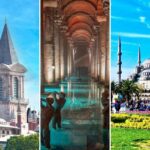
Three icons, one smart walking plan. In just 3 hours in Sultanahmet, you move from the underground Basilica Cistern to the interior of Hagia Sophia, with priority tickets helping you spend less time stuck at counters.
I especially like the mix of stops: the Basilica Cistern’s eerie water-level walkways and the famous upside-down Medusa heads, plus the Hagia Sophia tour that explains how the site shifted from Byzantine church to Ottoman mosque. I also like the Mosque focus beyond photos, including Iznik tiles and the Virgin Mary mosaic details that most people miss while rushing.
One heads-up: this is a moderate, all-walking experience and it is not wheelchair accessible or suitable for people with back problems or claustrophobia—so wear comfortable shoes and pace yourself.
In This Review
- Key highlights you’ll actually feel
- First Stop at Alman Çeşmesi: Setting up your Istanbul game plan
- Basilica Cistern: The Subterranean Palace and the Medusa heads
- Hagia Sophia with priority tickets: From Greek Orthodox center to Ottoman mosque
- Sultan Ahmed (Blue Mosque): İznik tiles, Virgin Mary mosaic, and respect for worship
- Hippodrome footsteps and Sultanahmet Square: Connecting the big monuments
- What small-group pacing really means in crowded Istanbul
- Dress code and photo rules: Simple steps to avoid delays
- Timing, duration, and your 3-hour expectations
- Value check: Is $32 worth it for Hagia Sophia, Blue Mosque, and the cistern?
- Who should book this Istanbul city walk, and who should skip it?
- Should you book this tour?
- FAQ
- Where do we meet for the tour?
- How long is the tour?
- How much does it cost?
- What’s included with ticket access?
- Is hotel pickup included?
- What should I bring for the walk?
- Are there dress and photography rules?
- What languages are available for the guide?
- Is it wheelchair accessible?
Key highlights you’ll actually feel
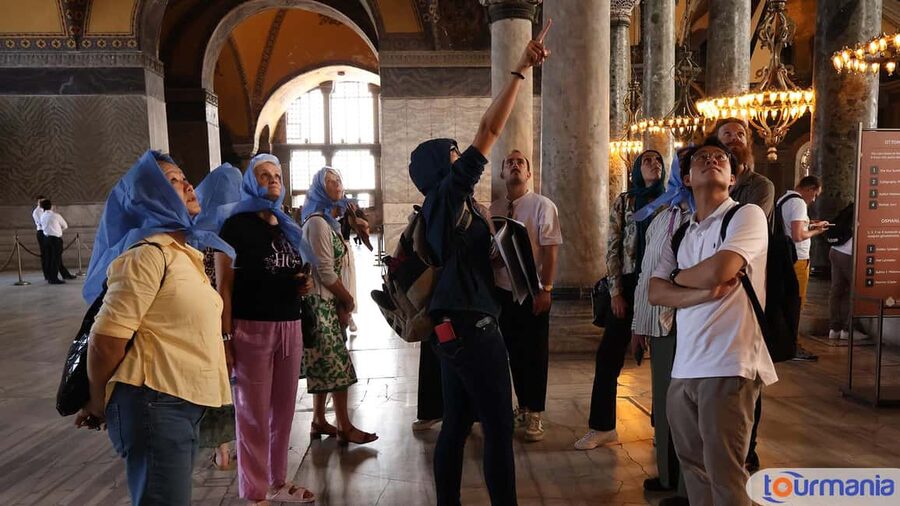
- Priority admission at Hagia Sophia helps you avoid the worst of the ticket chaos
- Basilica Cistern is atmospheric on the wooden walkways over the water
- Medusa heads are a must-see visual moment, explained with context
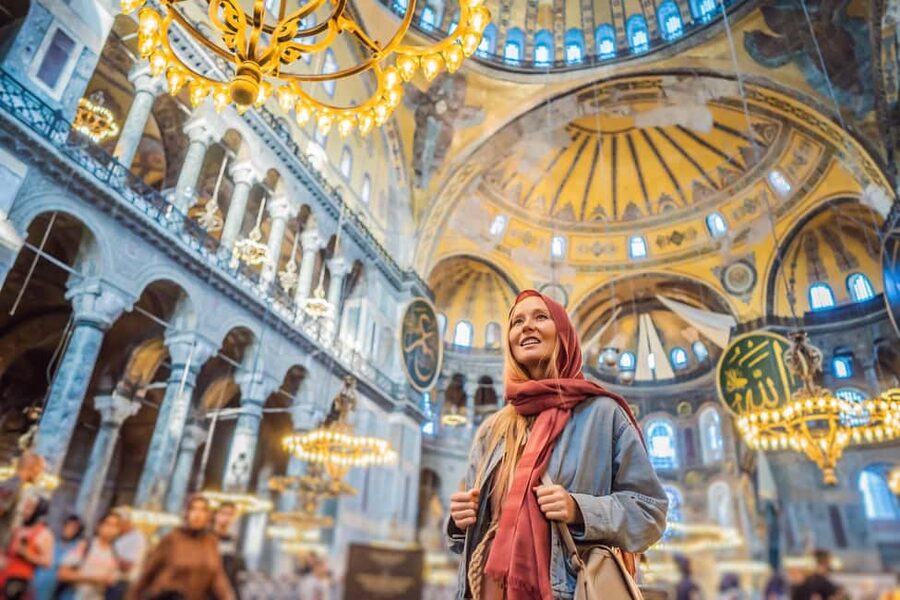
- Hagia Sophia layers: Byzantine architecture, mosaics, and the Ottoman conversion story
- Blue Mosque details: İznik tile work and the Virgin Mary mosaic
- Sultanahmet Square + Hippodrome stops help you connect the dots between monuments
First Stop at Alman Çeşmesi: Setting up your Istanbul game plan
Most great Istanbul days start before the big buildings hit your eyes. Here, you meet at Alman Çeşmesi in the Sultanahmet area, where the guide holds a Tourmania sign. That matters more than it sounds: Sultanahmet is a maze, and getting oriented early makes the rest of the walk easier.
From the start, your guide’s job is to get you moving with purpose. You’re not just ticking off famous names. You’re learning what to look for and why it changed. You also get a clear rhythm for photos and short pauses, which helps in a place that can feel like it’s always full.
One practical tip: you need to be at the meeting point on time. If you’re more than 5 minutes late, the guide won’t be able to wait—so I’d treat that meeting spot like a flight gate, not a casual meetup.
You can also read our reviews of more tours and experiences in Istanbul.
Basilica Cistern: The Subterranean Palace and the Medusa heads
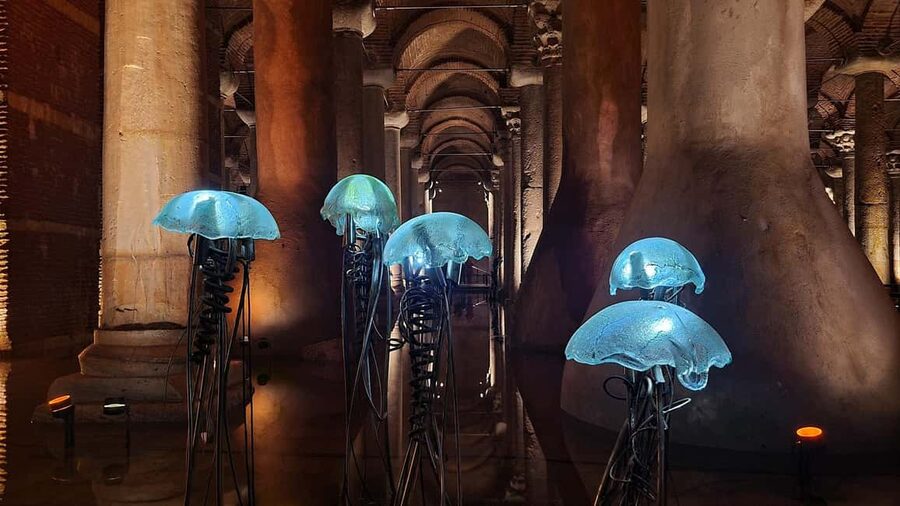
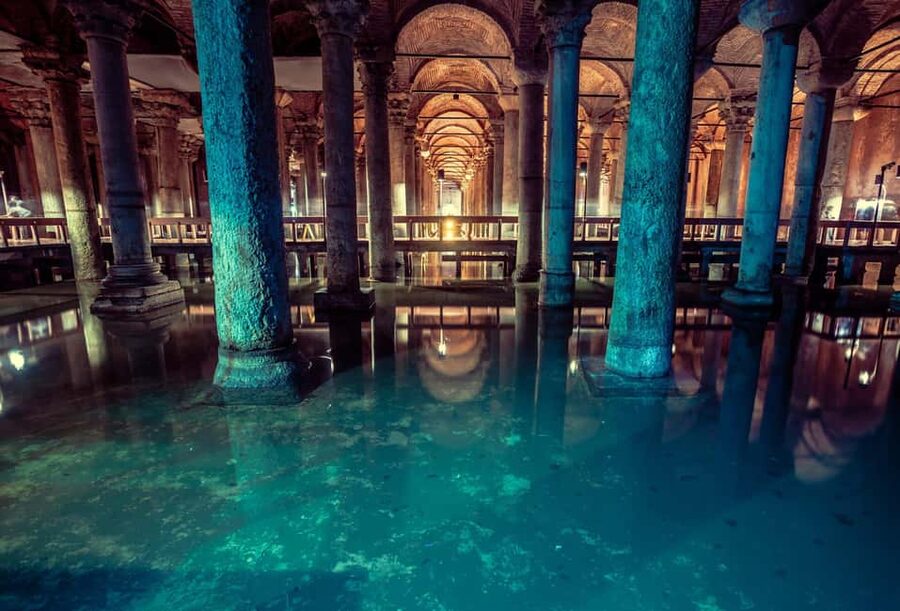
The tour starts with a trip underground, which is exactly the right move when you want to understand Istanbul’s contradictions. The Basilica Cistern—often called the Subterranean Palace—feels like stepping into a different temperature and a slower heartbeat.
You’ll learn what the cistern is, how it worked, and why the Byzantine designers chose this kind of space. The standout visual piece is the forest of pillars, and your guide points out the architecture without turning it into a lecture. The atmosphere does the rest.
Then comes the signature moment: you walk on wooden walkways over the water. It’s a small detail, but it changes how you experience the place. Instead of looking from the side, you’re moving through the scene, which makes it feel more cinematic and more real.
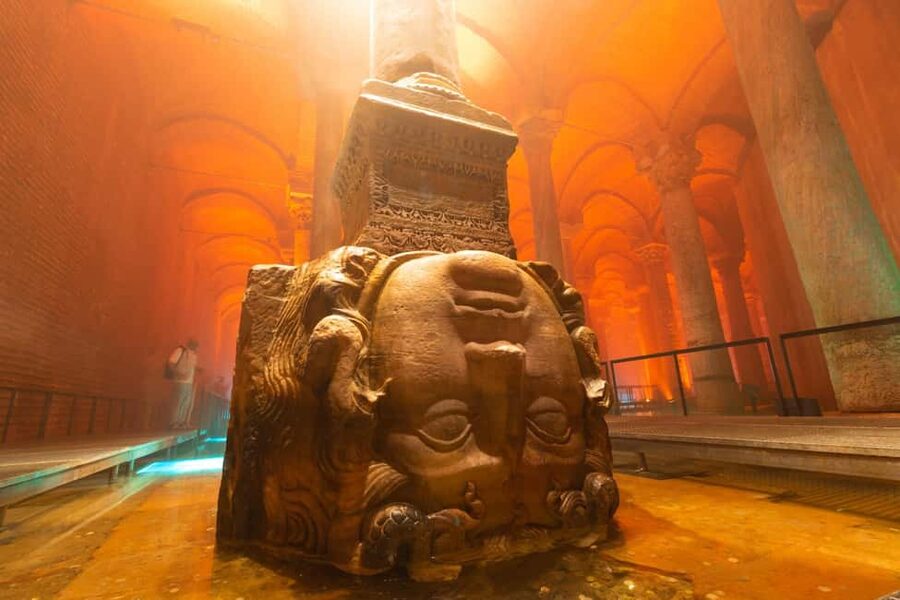
And yes, you’ll see the Medusa heads. You might’ve seen them in photos, but in person they feel strangely intimate—like someone carved them for a secret. Your guide also frames them so they don’t read like random decorations.
If you’re thinking about which tour to choose, this stop is a strong reason to go. Many Istanbul highlights are impressive because they’re tall and bright. The cistern is impressive because it’s quiet, hidden, and a little mysterious in its lighting and water reflections.
Hagia Sophia with priority tickets: From Greek Orthodox center to Ottoman mosque
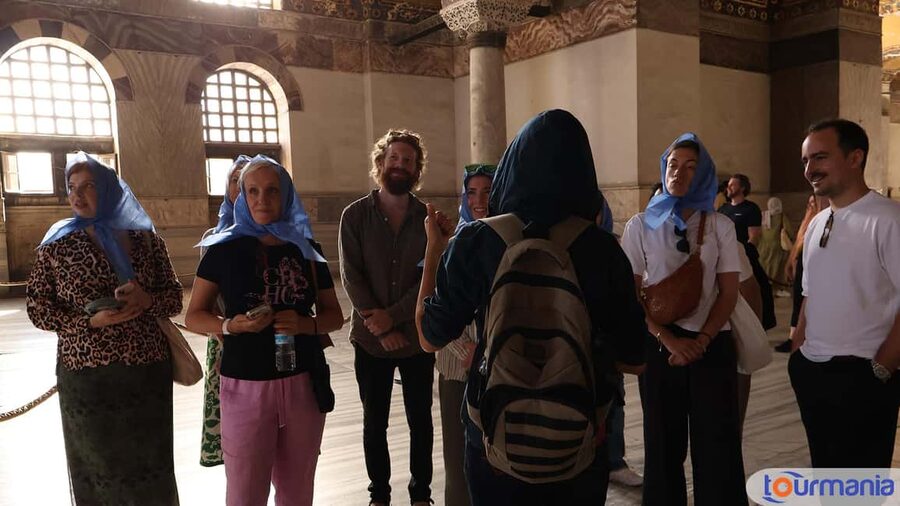
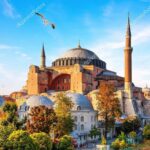
After the hush of the cistern, Hagia Sophia hits you in a totally different way. This is one of Istanbul’s biggest “how did they build this?” moments—especially once you know what you’re looking at.
The priority admission is the value lever here. Hagia Sophia is famous, and crowds are part of the deal. With pre-reserved tickets and priority entry, you reduce time spent searching, waiting, and checking paperwork. That means more of your 3 hours goes toward actually seeing the building.
Inside, your guide focuses on the building’s layered identity. You’ll learn that it was a major site for Greek Orthodox religion in Istanbul, and then how it was converted into a mosque after the Ottoman conquest of Constantinople. That conversion story is not just a historical timeline. It helps you understand why some elements feel Byzantine, while others feel Ottoman in style and function.
The dome experience is hard to explain until you’re there. Your guide points out the dome and the minarets, and you’ll also spend time on mosaics and paintings—plus Roman columns that show how older materials and ideas were absorbed over time. Even if you’re not a “church-mosque” architecture person, these details connect into one coherent picture.
A couple of practical things to keep in mind:
- Flash photography is not allowed inside Hagia Sophia.
- You should plan for a careful security flow and respect space limits, including rules about bags.
Sultan Ahmed (Blue Mosque): İznik tiles, Virgin Mary mosaic, and respect for worship
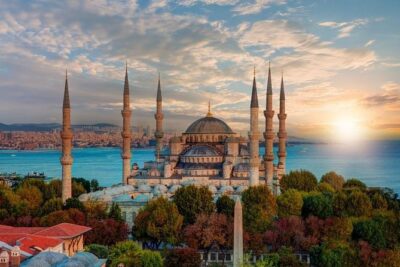
Next up is Sultan Ahmed Mosque, commonly called the Blue Mosque. This stop is often treated like a photo stop. In a good guided format, it turns into a lesson in how art and religion overlap.
You’ll hear about the Impressive İznik tiles and how they were added over time—so the decoration isn’t just scenery. It’s part of how rulers and artisans shaped the mosque’s look across different periods.
You’ll also learn about the Virgin Mary mosaic. It’s one of those details that many people pass by without context. With guidance, it becomes easier to notice and easier to place in the story of the building.
Another point you’ll discuss is burial tradition in the courtyard. The guide explains why the Ottomans chose to bury their sultans in that space, which adds a sense of “this was lived-in power,” not just “this was built once.”
This is also an active place of worship. Prayer times can affect what you’re allowed to do at certain moments, and you may need to wait outside during prayer. I’d treat the mosque visit with the same mindset you’d use for any working religious site: be ready for short pauses and follow staff instructions.
And dress matters here:
- Shorts and short skirts are not suitable.
- You’ll want modest clothing from the start so you don’t lose time at the door.
Hippodrome footsteps and Sultanahmet Square: Connecting the big monuments
Once you’ve taken in the two biggest interior giants, the walk through the Byzantine Hippodrome area helps your brain stitch the city together. It’s the kind of place where history becomes physical—you can feel that the old city’s public life was concentrated here.
Your guide walks you through the Hippodrome and talks about the obelisks and why this area mattered in daily life. Even if you can’t picture the full event schedule from memory, the explanations help you imagine crowds, ceremonies, and politics in a way that makes the stones around you feel less random.
Then you end around Sultanahmet Square. By the finish, you usually leave with a better map in your head: you know which streets connect monuments, how to regroup your day, and where to go next without feeling like you’re starting over from scratch.
If you like wandering with confidence, this “finish strong” element is one of the quiet benefits of a guided loop.

What small-group pacing really means in crowded Istanbul
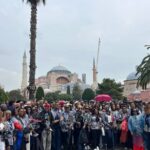
A big part of the value is the small-group format. Istanbul’s historic sights are packed, and when you’re in a big group, you get separated or you end up waiting for the slowest member to find the right entrance.
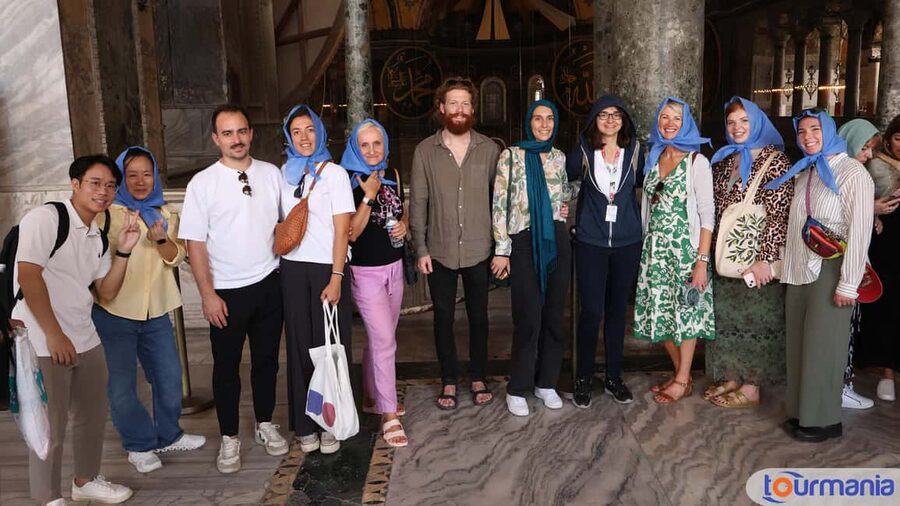
With this style of tour, the guide keeps the group together. In the best cases, you get enough time for questions and photos without the tour turning into a sprint. You also get a clearer order of what to do first, what to ignore, and what to pay attention to.
The guides behind this tour are often praised for explaining details in a way that stays connected to the buildings. You may meet guides such as Emre, Beritan, Hassan, Hussein, Con, Fatih, Deniz, or Elif—each described as focused on keeping the experience smooth while explaining how the Ottoman and Byzantine layers fit together.
One more practical note: Istanbul can be loud. Some groups use audio equipment or a microphone to help you hear in busy areas. If your guide uses it, keep your ears open—you’ll catch more of the stories that make the architecture make sense.
Dress code and photo rules: Simple steps to avoid delays
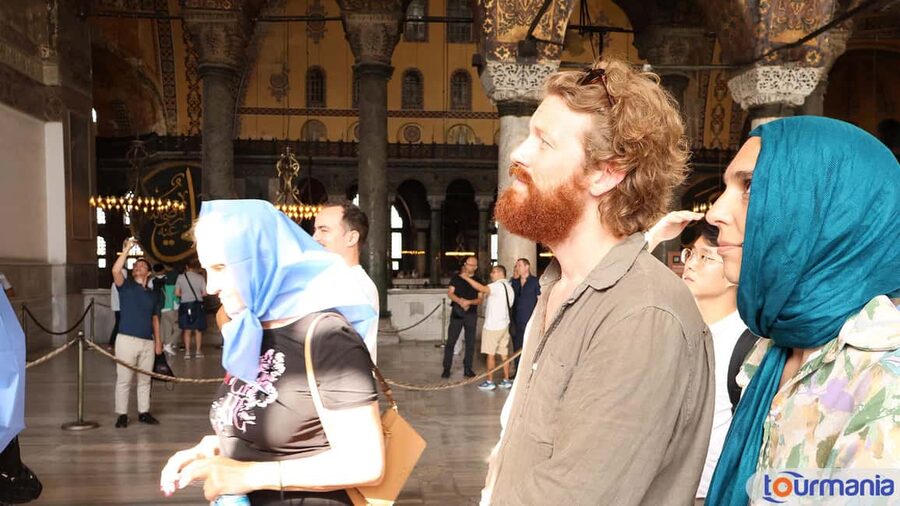
Istanbul’s monuments are forgiving if you arrive prepared—and frustrating if you don’t. This tour has clear restrictions, and following them protects your time.
Plan to bring:
- Comfortable shoes
- Sun hat and sunscreen (weather can change quickly)
- Water
- Camera
You also need the right headwear and clothing:
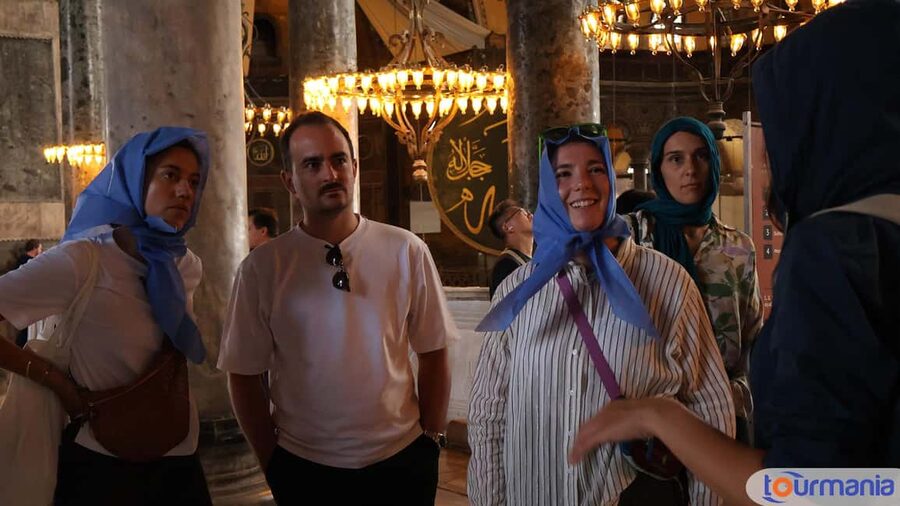
- A headscarf is required for women when visiting Hagia Sophia Mosque.
- Modest dress is required for the Blue Mosque. Shorts and short skirts are not suitable.
- Flash photography is not allowed inside Hagia Sophia and Blue Mosque.
Bag rules are strict, too. Backpacks, large bags, and large umbrellas are not allowed inside Hagia Sophia and Blue Mosque for security reasons. If you tend to travel heavy, consider packing light for this day.
Also remember the tour is not wheelchair accessible and is not suitable for people with claustrophobia. The cistern and security areas can feel tight, and there are limits on space flow.
Timing, duration, and your 3-hour expectations
The tour runs about 3 hours, and the format is designed for a first-time visit to Istanbul’s Sultanahmet core. That duration is short enough that you’ll still have energy afterward, but long enough to get meaningful explanations inside the buildings.
You’ll spend time at each major stop with guided storytelling, photo opportunities, and short walking links between sites. Because all the key monuments are in the same neighborhood, you don’t burn time crossing town.
The biggest timing advantage comes from the priority access. When your entry is smooth, the day feels calm. When entry lines are brutal, the tour’s 3 hours turn into a waiting room. Priority admission is meant to keep you in the “see and learn” mode.
Value check: Is $32 worth it for Hagia Sophia, Blue Mosque, and the cistern?
Let’s talk money in plain terms. At $32 per person for a 3-hour guided walk, the price is less about paying for three famous buildings and more about paying for two things that cost you time on your own:
1) priority admission to Hagia Sophia (tickets reserved for you)
2) expert guidance that makes the architecture and symbolism easier to understand
Hagia Sophia is the big time-saver. On a solo visit, you can lose a chunk of your day to long lines and orientation confusion. Here, you’re placed to start learning earlier.
The Basilica Cistern is also a major add-on—especially because your experience includes the guided walk over the water and the Medusa heads explained in context. Note that Basilica Cistern priority admission is included only if the option is selected. If you want the full “no waiting” effect at the cistern, confirm that selection when booking.
If you’re traveling with limited time in Istanbul—or you want to hit multiple top sites in one go—this tour’s value is strongest. If you already know exactly what you want to see and you’re comfortable navigating everything yourself, you might skip a guided format. But for most first-timers, paying for a guide plus priority access is the easiest way to avoid wasting the most precious resource you have: hours.
Who should book this Istanbul city walk, and who should skip it?
This is a great match if you:
- Want a small-group guided route that covers Hagia Sophia, the Blue Mosque area, and the Basilica Cistern
- Prefer explanations that connect Ottoman and Byzantine layers
- Like structured walking with time for questions and photos
- Plan a first visit to Sultanahmet and want to leave confident exploring on your own
You might want to skip or choose something else if you:
- Have mobility limitations or need wheelchair access (the tour is not wheelchair accessible)
- Have back problems or severe walking discomfort
- Deal with claustrophobia (the cistern and security zones may be stressful)
- Are traveling with very young kids (children under 5 may find the walking challenging)
Should you book this tour?
Book it if you want your Hagia Sophia day to feel efficient and meaningful, not chaotic. The priority admission is the practical win, and the guided focus on details—Medusa heads, mosaics, İznik tiles, and how Ottoman and Byzantine elements coexist—turns three landmarks into one connected story.
Skip it if your body needs low-walking days or if tight, enclosed spaces would worry you. In that case, there are other ways to see Sultanahmet at a slower pace.
If you’re in the “first time in Istanbul” group, this tour is a strong starting point—one that helps you get your bearings fast, then wander later with a clearer sense of what each building is telling you.
FAQ
Where do we meet for the tour?
You meet at Alman Çeşmesi. Your guide will hold a sign of Tourmania.
How long is the tour?
The tour duration is 3 hours.
How much does it cost?
The price is listed as $32 per person.
What’s included with ticket access?
You get priority admission tickets to Hagia Sophia. Priority admission tickets to Basilica Cistern are included if the option is selected.
Is hotel pickup included?
No, hotel pickup and drop-off are not included.
What should I bring for the walk?
Bring comfortable shoes, a sun hat, camera, sunscreen, water, and a headscarf.
Are there dress and photography rules?
Yes. Shorts and short skirts are not allowed (modest dress is required for the Blue Mosque). Flash photography is not allowed inside Hagia Sophia and Blue Mosque. A headscarf is required for women when visiting Hagia Sophia Mosque.
What languages are available for the guide?
English, German, Russian, French, Italian, Arabic, Portuguese, and Spanish.
Is it wheelchair accessible?
No. The tour is not wheelchair accessible and is not suitable for people with mobility impairments.