REVIEW · ISTANBUL
Istanbul: Hagia Sophia, Blue Mosque, Cistern & Bazaar Tour
Book on GetYourGuide →Operated by New İstanbul tours · Bookable on GetYourGuide
First steps in a city of legends can surprise you. This 5-hour guided loop hits the Blue Mosque and Hagia Sophia plus the underground Basilica Cistern and then the Grand Bazaar, with a guide who turns big monuments into human stories. I especially liked the skip-the-ticket-line advantage and the way the tour keeps moving so you get an overview without spending half your day stuck at entrances. One possible drawback: entrance tickets for Hagia Sophia and the Basilica Cistern are not included, and they add up, so you’ll want cash and a realistic budget.
The pacing works because you’re not just staring at walls—you’re walking with an English-speaking guide who knows how to explain what you’re seeing while keeping the group entertained. In many departures, the guide is named Oz (sometimes spelled Oguz), and the vibe is part history talk, part humor, plus practical tips for where to look and how to move through crowds. Still, you’ll be on your feet for several major stops, and the notes say it may not be suitable for everyone, including people with heart problems or pregnancy.
In This Review
- Key takeaways before you go
- A 5-Hour Route That Gets You Oriented Fast
- Meeting at Pudding Shop Lale Restaurant: Start Easy
- Blue Mosque: Six Minarets, Blue Iznik Tiles, and the Headscarf Moment
- Hagia Sophia: What to Notice in a Building That Outlived Empires
- Basilica Cistern Underground: Medusa Heads Without the Stress
- Grand Bazaar: See the Trading Street Without Getting Stuck
- The Value Question: What $36 Really Buys
- Guide Style Matters: Oz, Arkan, and the Art of Not Boring You
- What to Bring (So You Don’t Lose Time at the Door)
- Who This Tour Fits Best (And Who Should Think Twice)
- Should You Book This Istanbul Tour?
- FAQ
- Do I need to buy tickets for Hagia Sophia and the Basilica Cistern?
- Is there skip-the-ticket-line access?
- Where is the meeting point?
- How long is the tour?
- What should I bring?
- Do women need a headscarf for the Blue Mosque and Hagia Sophia?
- What is the cancellation policy?
Key takeaways before you go
- Skip-the-ticket-line time savings help you spend more time inside and less time waiting
- English-speaking guide support makes the architecture and stories much easier to follow
- Basilica Cistern is the standout stop for its atmosphere and those famous Medusa head details
- Blue Mosque and Hagia Sophia are paired well so you can compare Byzantine and Islamic design elements
- Grand Bazaar is a high-impact add-on if you want the sights without getting lost
- Headsets may be used on larger groups, so you can hear the guide clearly
A 5-Hour Route That Gets You Oriented Fast

This tour is built for a classic Sultanahmet day: you start in the historic core, then you hit the headline sights in a smart order. The total time is listed as 5 hours, and the stops are long enough to actually see things, not just stand in a doorway taking photos.
You also get one of the biggest practical wins in busy Istanbul: skip-the-ticket-line. That doesn’t erase every slowdown caused by crowds, but it usually cuts down the worst bottlenecks.
Finally, the style is guided walking, so if you like an itinerary that makes sense and you don’t want to research every monument alone, this format fits.
You can also read our reviews of more tours and experiences in Istanbul.

Meeting at Pudding Shop Lale Restaurant: Start Easy
Your guide meets you in front of Pudding Shop Lale Restaurant. That’s a useful detail because Sultanahmet can be confusing if you’re trying to match street corners to maps.
Once you find the group, the tour settles into a steady rhythm: short walks between stops, guided time inside, then back outside. In reviews, people praised the guide for keeping the group on task and moving efficiently through the sites.
Blue Mosque: Six Minarets, Blue Iznik Tiles, and the Headscarf Moment
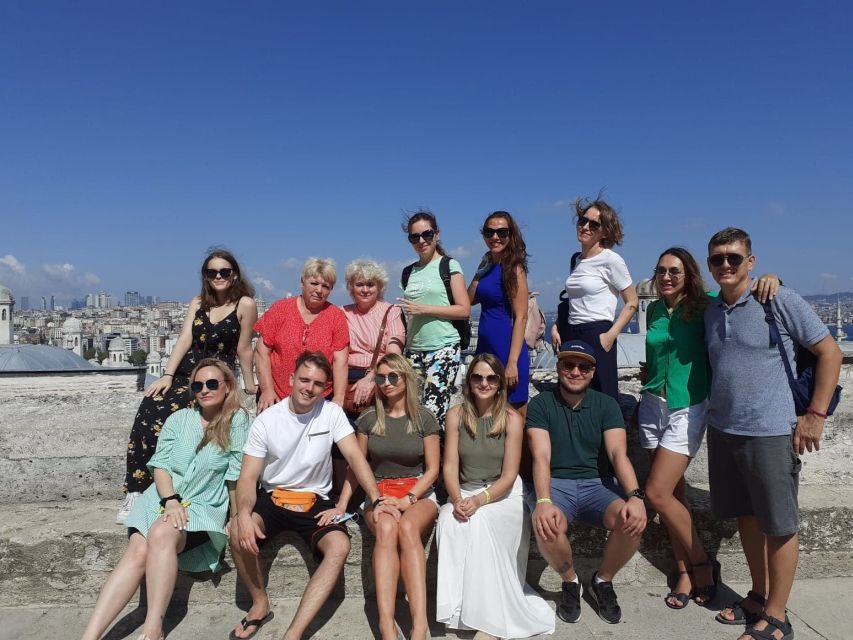
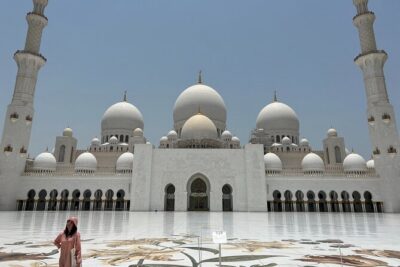
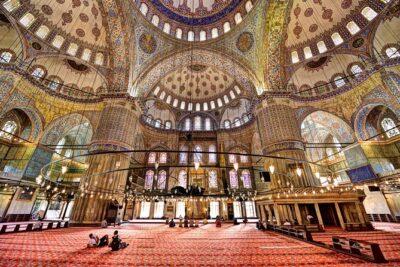
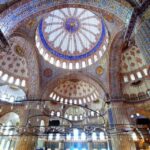
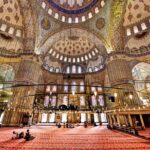
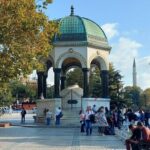
Your first major stop is the Blue Mosque, also known as Sultan Ahmed Mosque. The big visual payoff is the interior’s blue Iznik tiles, which give the whole space a calm, cool feeling compared with the loud street outside.
From the description, you’ll also notice the mosque’s architecture and its mix of influences—this is where the building’s design helps you understand Istanbul’s layered identity. Even if you’re not a “mosque person,” it’s worth going in with an eye for details like the tilework and the overall symmetry.
Practical heads-up: women have to wear a headscarf at both the Blue Mosque and Hagia Sophia. The tour also asks for long pants, so bring something comfortable enough to move in, especially if you’re visiting in cooler months.
Hagia Sophia: What to Notice in a Building That Outlived Empires
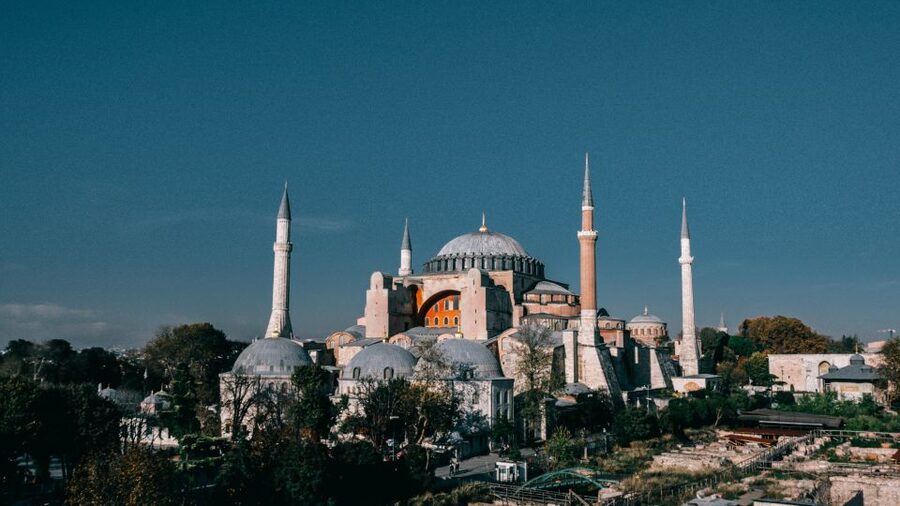
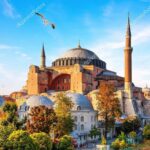
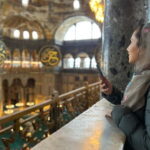
Next up is Hagia Sophia. You’re stepping into a structure that has served as a church and a mosque, and now it’s a museum—so the walls carry multiple eras at once.
What makes the visit click is the guided framing: you’re not just looking at one era’s style. You learn how the building’s most famous features—like the massive dome and the intricate mosaics—help explain why this place kept mattering to successive empires.
This stop is the one where tickets matter most in your day planning. Hagia Sophia entrance tickets are listed as 30 euros per person, so it’s worth budgeting for it from the start instead of treating it as an optional add-on.
One more practical note: reviews mention that lines and timing can vary by day. The guide’s “skip-the-line” advantage can help, but you can still encounter crowd pressure because Hagia Sophia is one of Istanbul’s busiest interiors.
Basilica Cistern Underground: Medusa Heads Without the Stress
The tour’s third anchor is the Basilica Cistern, also called Yerebatan Sarnıcı. This is the kind of place that feels like it belongs to another world: you go below street level into an underground reservoir with a quiet, eerie mood.
The headline details here are the famous Medusa heads and the way water reflections ripple across the scene. The walking time listed for this stop is about 45 minutes, which is usually long enough to see the space, take in the views, and still keep the day flowing.
Tickets are not included, and the provided info is very clear that this is a cash situation: the Basilica Cistern entrance ticket is listed as a cash payment. The amount shown varies in the information you received—one part lists 1950 TRY per person cash, and another part lists around 3000 Turkish lira per person—so I’d plan for a cash ticket fee in the few-thousand-TRY range rather than a single fixed number.
If you’re sensitive to cold, consider a layer. Underground spaces can feel cooler than the streets, and you’ll be standing and moving slowly inside.

Grand Bazaar: See the Trading Street Without Getting Stuck
The Grand Bazaar stop is about atmosphere and navigation. This is where you get the sensory overload—shops, color, spices, textiles, jewelry, carpets—and also the reality that the bazaar is crowded and easy to get turned around in.
You’ll be there long enough to get the feel and browse with purpose, not just rush through. The tour description also positions this as a chance to learn about the centuries-old trading culture, which helps you understand why the place is set up the way it is.
One thing I appreciate about adding the bazaar here is timing. You’ve already “trained your eyes” on architecture and history with the previous stops, so the bazaar becomes a different kind of experience—living commerce, not museum walls.
If shopping is part of your plan, go in with two rules: buy what you actually want, and compare inside the bazaar rather than on the first stall you see. The guide can help you get oriented, but you still need to do your own judgment when it comes to quality and pricing.
The Value Question: What $36 Really Buys
The advertised price is $36 per person for a 5-hour guided experience. That’s a strong starting point, especially because the tour includes an English-speaking guide and headsets if the group is more than 15 people, which improves the experience in crowded interiors.
But the value equation changes once you factor in entrances. The information you have clearly states that entrance tickets are not included:
- Hagia Sophia entrance: 30 euros per person
- Basilica Cistern entrance: cash payment in Turkish lira (listed amounts include 1950 TRY and also a 3000 TRY figure in the provided notes)
So the fair way to think about this: you’re paying a low guide fee, and the big museums are an extra add-on you’ll need to budget for. If you already know you want to see both Hagia Sophia and Basilica Cistern, a guided skip-the-line day can still feel efficient because it reduces wasted time.
In reviews, people called the tour an absolute bargain for the cost and repeatedly praised how the guide handled lines and kept things moving. At the same time, one review noted that the tour description didn’t clearly manage expectations around waiting and how crowd levels affect time inside major venues.
My practical take: treat $36 as the guide + coordination cost, then add your entrance budget. That way, you won’t feel surprised on the day.
Guide Style Matters: Oz, Arkan, and the Art of Not Boring You
The biggest “experience multiplier” here is the guide. Multiple reviews mention guides named Oz (also spelled Oguz in some entries), and one mentions Arkan. Across the feedback, a common theme is storytelling: the guide links what you see to how Istanbul changed over time.
Humor comes up again and again. People described the guide as funny, entertaining, and able to keep attention even when kids were in the group. You can also hear how much time the guide spent explaining details rather than rushing, including extra sights or context beyond the core stops.
There’s also a practical advantage: guides who know the routes and the rhythm of Sultanahmet can help you avoid common “we’re here but not sure where to go next” frustration. In one review, a guest mentioned the guide purchased tickets in advance and that fast-track access saved time. In another, someone planned their own ticket purchase online and still enjoyed the tour, which suggests you’ll be able to work with your own ticket strategy if you prefer.
One caution from the provided feedback: if you’re hard of hearing, use the offered headsets when your group size triggers them. One review asked for audio aids, and it makes sense—crowds and echoing interiors make it harder to hear without them.
What to Bring (So You Don’t Lose Time at the Door)
This tour requests a few simple items:
- Long pants
- A headscarf (required for women at Hagia Sophia and the Blue Mosque)
- Cash for Basilica Cistern and for entrance ticket fees not included
Because the Cistern ticket is cash-based in the information provided, cash planning matters more than you might think. If you’re relying on card-only, you can get stuck at the worst moment.
Also, wear shoes you can walk in. The day includes guided walking between major sites and time spent inside large complexes.
Who This Tour Fits Best (And Who Should Think Twice)
This is a good match if you want an efficient first pass through Istanbul’s most famous landmarks in one guided package. It’s also ideal if you like learning through stories and comparisons—church-to-mosque transitions at Hagia Sophia, tile-and-geometry at the Blue Mosque, and the uncanny atmosphere underground in the Cistern.
It may be a bad fit if you need a low-walking, low-stamina day. The tour asks for walking time at key stops, and the “not suitable” notes include pregnant women, people with mobility impairments, and people with heart problems.
You also have a mixed message on wheelchair access: the activity is listed as wheelchair accessible, but it also says it’s not suitable for people with mobility impairments. If that applies to you, contact the operator before booking and ask how the route is handled at each stop.
Should You Book This Istanbul Tour?
Book it if you’re trying to pack the big four—Blue Mosque, Hagia Sophia, Basilica Cistern, and the Grand Bazaar—into one day and you want a guide who keeps things lively. The low tour price is appealing, and the skip-line benefit can make your time feel like it’s working for you, not against you.
Skip it or choose another option if you don’t want to manage entrance-ticket extras on the spot, because tickets are a meaningful added cost (and the Cistern is cash in Turkish lira). Also consider your comfort level for walking and indoor crowds, especially if you’re in the “not suitable” categories listed.
If you want the most stress-free day, come prepared with cash, a headscarf if needed, and long pants. Then lean into the guide’s stories—you’ll get more out of these sites than you will by reading plaques alone.
FAQ
Do I need to buy tickets for Hagia Sophia and the Basilica Cistern?
Yes. Hagia Sophia entrance tickets are listed as 30 euros per person. Basilica Cistern entrance tickets are not included and are paid as a cash fee in Turkish lira.
Is there skip-the-ticket-line access?
Yes, the tour includes skip-the-ticket-line access.
Where is the meeting point?
The guide waits in front of Pudding Shop Lale Restaurant.
How long is the tour?
The duration is listed as 5 hours.
What should I bring?
Bring long pants, cash (for the entrance ticket fees not included), and a headscarf if you are required to wear one.
Do women need a headscarf for the Blue Mosque and Hagia Sophia?
Yes. The information provided states that women have to wear a headscarf in both Hagia Sophia and the Blue Mosque.
What is the cancellation policy?
Free cancellation is available up to 24 hours in advance for a full refund.