REVIEW · ISTANBUL
Istanbul Highlights Blue Mosque, Hagia Sophia, Cisterns and More!
Book on Viator →Operated by Oguzhan Ceylan · Bookable on Viator
Seven Istanbul sights, one clear plan. This small-group route strings together the big names of Sultanahmet and the quieter wonder of the cisterns, with stops timed so you can actually take in what you’re seeing, not just rush through it. Hagia Sophia and Basilica Cistern tickets are built into the day, and the guide work matters a lot for making sense of the scenes, whether you end up with Oguzhan, Emre, Tunç, Mustafa, or another excellent English-speaking guide.
I like that the day stays human-sized (max 10 people), but here’s the tradeoff: you’re walking, and you may spend some time in organized shop stops like the carpet demonstration or other retail moments, which can feel like detours if your only goal is monuments.
In This Review
- Key highlights you should care about
- Meeting at German Fountain: start on time, stay oriented
- Blue Mosque: the courtyard view is part of the experience
- Hagia Sophia: museum space with a living mosque element
- Basilica Cistern: the water-cathedral people don’t expect
- Hippodrome relics: obelisks and columns in a big-sky arena
- Nakkas Cistern: a second underground layer
- Carpet demonstration and the shopping reality check
- Tamara Restaurant: a real 3-course pause that keeps you going
- Divanyolu Street and Nuruosmaniye Camii: small exterior moments with big context
- Grand Bazaar: plan for the maze, not the checklist
- Price and value: what $150 buys in a packed old city day
- Who this tour suits best
- Should you book this Istanbul highlights day?
Key highlights you should care about
- Small group, up to 10 people, which keeps questions and pacing realistic
- Tickets included for Hagia Sophia and Basilica Cistern, saving time and hassle
- Two cisterns (Basilica and Nakkas) that show the water-engineering side of old Istanbul
- Hagia Sophia + Blue Mosque on the same day, with plenty of guidance for what you’re looking at
- Grand Bazaar visit with time to actually wander the maze of lanes and shopfronts
- 3-course Turkish lunch (mixed kebab platter or vegetarian options) with tea or coffee included
Meeting at German Fountain: start on time, stay oriented
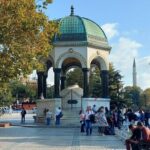
Your day starts at German Fountain (Binbirdirek, At Meydanı Cd) at 9:00 am, and the tour loops back to the same meeting point. That sounds minor, but in Istanbul it’s a big deal. Landmarks can feel far apart until you’ve seen how the old-city neighborhoods connect. Starting at a clear, easy-to-find reference point helps you keep your bearings before the walking really ramps up.
This is also set up for efficiency. It runs about 7 to 8 hours, and it’s built around major attractions that can be slow on your own. Plus, you’ll use a mobile ticket, which is helpful when you’re juggling photos, weather, and the next entry.
The practical tip: wear shoes you don’t mind in old-stone streets. One review line said it plainly—good shoes matter because there’s a lot of pavement.
You can also read our reviews of more tours and experiences in Istanbul.
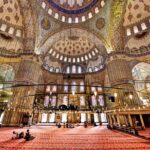
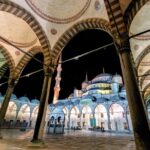
Blue Mosque: the courtyard view is part of the experience
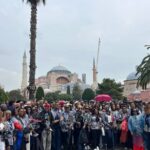
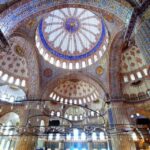
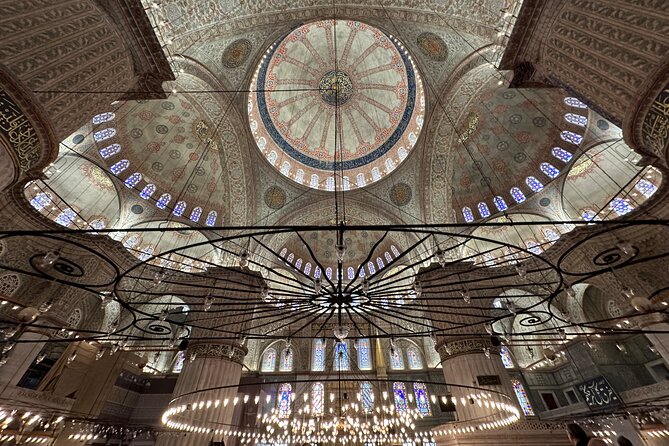
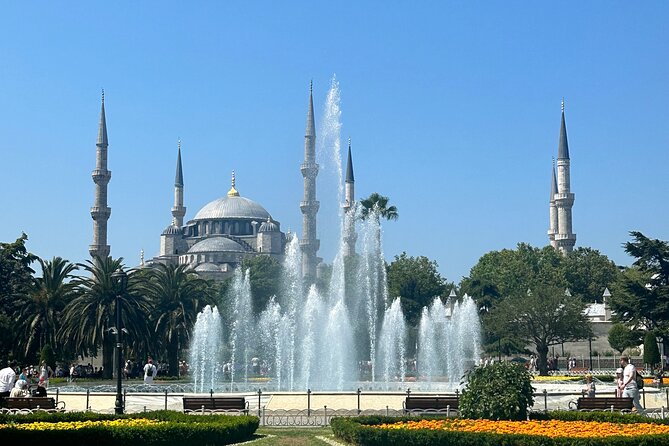
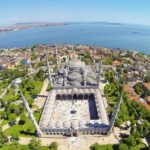
The Blue Mosque (Sultanahmet Mosque) gets about 40 minutes, and the time is structured so you can see more than one angle. A helpful detail from actual visit experiences: the mosque stop includes time in both the praying area and the outer praying courtyard, not just a quick photo turn and a sprint out the door.
Why a guided stop helps: the Blue Mosque can look stunning, but context makes it memorable. A good guide links what you’re seeing to why it mattered when it was built and how it fits into the broader story of Istanbul’s shift from empire to republic.
A consideration: if your day is already tight, understand that mosques are active places and visits have rhythms. The timing you get can depend on crowd levels, and some days it may feel calmer or busier when you arrive. Still, the guide’s job is to help you work with the flow instead of fighting it.
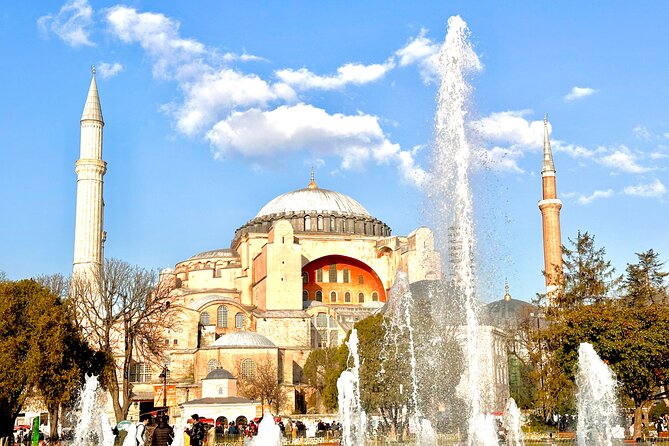
Hagia Sophia: museum space with a living mosque element
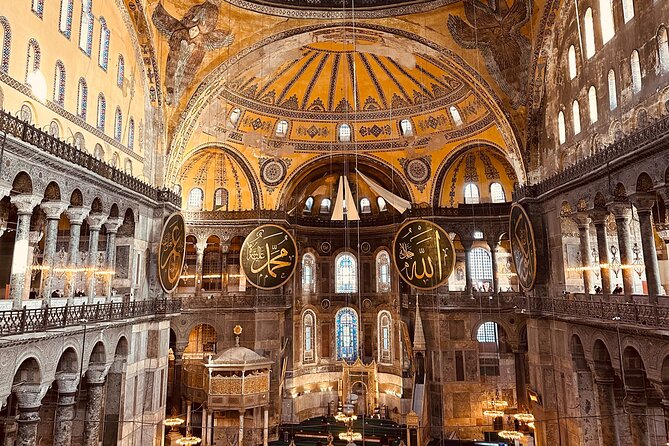
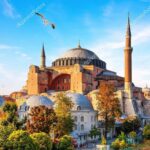
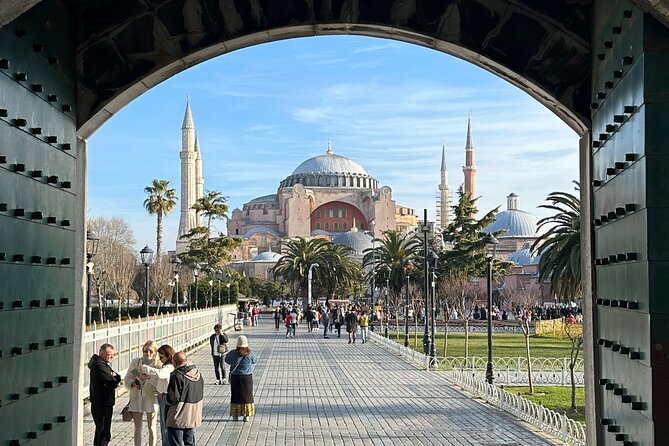
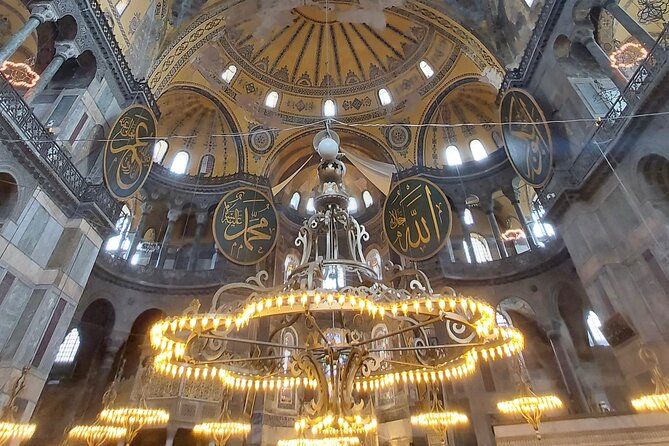
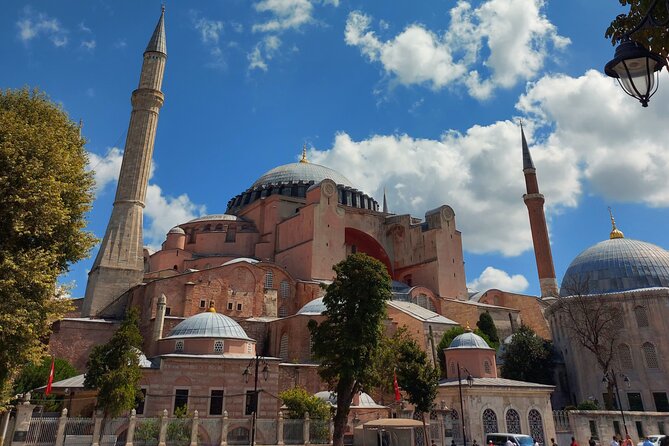
Next up is Hagia Sophia Grand Mosque, with about 1 hour. This stop is presented as a museum and mosque hybrid in practice—half a mosque in operation, with the rest functioning as a museum space. That mix changes the feel. You’re not just “touring a building.” You’re navigating a site that’s still part of contemporary worship and still interpreted for visitors as a major historical monument.
The included ticket is a big part of the value here. You’re not adding another hunt for paperwork or trying to time your arrival. It also helps the guide keep the day on track.
What I’d watch for: Hagia Sophia has a lot to notice, and it can pull you into questions. If you’re the type who wants to understand things instead of just taking pictures, that hour can feel like it’s paced well. If you prefer minimal time inside and maximum roaming outside, you might wish you had more flexibility—but the schedule is built to cover other landmarks too.
Basilica Cistern: the water-cathedral people don’t expect
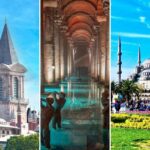
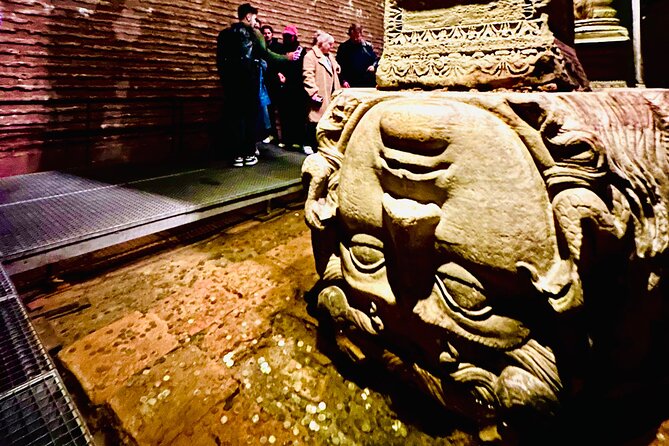
Then comes Basilica Cistern, Istanbul’s biggest, with about 45 minutes and entry fees included. This is one of the strongest “aha” stops on the itinerary because it’s so different from everything else around it. Instead of mosaics and marble on street level, you go underground into a museum space built inside the city’s water infrastructure.
Why it works on a guided tour: cisterns aren’t just a cool room. They show how Istanbul functioned—how water moved, who relied on it, and how later eras repurposed the space. A good guide can connect the cistern’s engineering to the survival needs of a vast city.
From the on-the-ground vibe described in multiple experiences, the renovations make it feel spectacular. Even if you’re not an architecture person, you’ll likely come out thinking: this is what Istanbul looks like when it powers itself.
Hippodrome relics: obelisks and columns in a big-sky arena
After the cistern, you head into the Hippodrome area, with short exterior stops that still matter. You’ll see a sequence of monuments tied to the former chariot arena and the later layering of empires in Istanbul:
- Hippodrome (big arena, capacity cited as 100,000 spectators)
- Obelisk of Theodosius (brought from Egypt in the 4th century)
- Serpent Column (linked to victory symbolism from the Greek-Persian wars)
- Walled Obelisk (a Roman-era obelisk, cited height of 32 meters)
These stops are quick—often 10 to 15 minutes each—but they act like a story chain. Without explanation, it’s easy to treat them as standalone photo props. With context, you start noticing the politics and movement behind them: objects shipped, power displayed, memory preserved.
If you’re short on patience for small exterior views, this is the moment where your guidance earns its keep. A good guide points out what you’d miss: which piece belongs to which era, and why these particular monuments were chosen for this spot.

Nakkas Cistern: a second underground layer
The itinerary brings you to the Cistern Art Gallery at Nakkas Cistern, again with entry included, and roughly 30 minutes. This is described as a cistern that once supplied water to the Boucheleon Palace area and relates to the Constantinople exhibition around 1200 A.D.
The value here is variety. Going from Basilica Cistern to Nakkas Cistern keeps your day from turning into one repeating “underground room” experience. It also deepens the water theme: you see that cisterns weren’t just a one-off engineering solution. Istanbul built systems, adapted them, and left behind evidence you can walk through.
Carpet demonstration and the shopping reality check
Before lunch, you’ll visit Nakkas Oriental Rugs & Textiles for a carpet demonstration, with entry included and time around 30 minutes.
I like this stop when it feels educational and relaxed, because you’re learning how textiles are made and how the design language travels across Turkish craft traditions. One useful warning: the schedule can include waiting time if people are choosing specific products. If you want photos and information only, you can go in with your own pace mindset—don’t let a shop moment swallow the entire day.
Here’s how to make it work for you: decide in advance whether you’re shopping. If not, you can treat it like a short workshop and move on. If you are shopping, it’s smart to keep your time expectations realistic and ask the guide about timing so you don’t miss monument time later.
Tamara Restaurant: a real 3-course pause that keeps you going
Lunch lands at Tamara Restaurant Sultanahmet with a 3-course Turkish meal (about 1 hour). The structure is clear: soup and salad with mezes, then a mixed kebab platter with vegetarian options (four vegetarian choices are listed), followed by dessert plus Turkish tea and water. Lunch is included, along with coffee and/or tea as part of the broader tour inclusions.
This is not a “snack break.” It’s the kind of meal that keeps you energized for the rest of the day’s walking and indoor time. And because lunch is timed, you don’t lose the day to restaurant lines or decision stress.
One practical thought: if you’re picky about spice or you eat very simply, vegetarian options are available—but you may still want to communicate preferences to your server if the menu offers choices in the moment.
Divanyolu Street and Nuruosmaniye Camii: small exterior moments with big context
You also pass Divanyolu Street, described as an Imperial Council road, with a short stop of about 10 minutes. It’s the kind of place you can overlook if you’re only chasing the biggest names. But even a brief pause here helps connect the dots between today’s streets and older administrative routes.
Then you get a look from the outside at Nuruosmaniye Camii, noted as the first Baroque mosque in Istanbul. The stop is short (about 10 minutes), so it’s more about catching a style contrast than doing a full deep visit.
Grand Bazaar: plan for the maze, not the checklist
The grand finale for shopping energy is the Grand Bazaar, with about 1 hour. The scale is massive—over 4,000 shops spread across lanes (the itinerary cites 66 streets). The Bazaar is often described as a maze because it is. A guided stop helps you avoid wandering in circles for an hour, and it gives you a sense of how goods moved historically along the Silk and Spice Road.
There’s also a small calendar note: on Sundays, Arasta Bazaar can be offered as an alternative. So if you’re traveling on a Sunday and you want to plan your shopping expectations, be aware that the bazaar experience may shift.
My advice: treat Grand Bazaar time as browsing, not buying. If you go in expecting you’ll see everything, you’ll feel behind. If you go in expecting you’ll find a few memorable stalls and then exit with a plan, you’ll feel in control.
Price and value: what $150 buys in a packed old city day
This tour is listed at $150 per person, running 7 to 8 hours. The standout value isn’t just that you get famous sites. It’s that the day includes the costly “must-entry” moments and the people-time that makes those entries painless.
Here’s what’s explicitly included:
- Hagia Sophia Museum tickets (listed as 25 Euros)
- Basilica Cistern Museum tickets (listed as 32 Euros)
- Coffee and/or tea
- 3-course lunch at Tamara Restaurant (with mixed kebab or vegetarian options, dessert, Turkish tea, and water)
- All fees and taxes
- Small group guarantee
- English-speaking professional tour guide
Even if you only count the two headline tickets, you can see how much gets baked into the price. Then add lunch and the guide’s pacing work, and this starts to look like good value for people who want a structured “highlights of Istanbul” day.
The one “value question” you should ask yourself: do you enjoy guided explanation and planned shop stops? If you want a strict monuments-only day with no store time, you might feel the schedule tug you away from that goal. If you like having someone help you prioritize and interpret, you’ll likely feel like the guide pays back your money fast.
Who this tour suits best
This fits well if you:
- Want a one-day highlights circuit in Istanbul’s old core
- Prefer a small group so questions aren’t awkward
- Like learning the why behind what you see—especially at Hagia Sophia and the cisterns
- Appreciate a structured lunch break so you’re not hunting food mid-tour
It may not fit as well if you:
- Hate any organized shop time (carpets/textiles can eat minutes)
- Get overwhelmed by too many indoor sites back-to-back
- Strongly prefer a totally self-directed day with no fixed pacing
Should you book this Istanbul highlights day?
I’d book it if your goal is clear: see the big Istanbul landmarks—Blue Mosque, Hagia Sophia, Basilica Cistern, the Hippodrome monuments, Nakkas Cistern, and the Grand Bazaar—and do it with a guide who can keep the day running smoothly.
One last practical note: Hagia Sophia and the cisterns reward patience. If you’re the kind of person who asks lots of questions, this tour format is built for that. If you’re short on time or easily annoyed by shop detours, send a message in advance asking your guide how they handle timing around carpet/textile stops, so your priorities stay front and center.