REVIEW · MUMBAI
Sacred sites Mumbai tour: Hinduism, Christianity, Judaism & more
Book on Viator →Operated by No Footprints · Bookable on Viator
Mumbai’s sacred map is surprisingly easy. This guided Sacred sites Mumbai tour strings together five major places of worship—Jewish, Buddhist, Hindu, Christian, and Muslim—so you can understand how faith shapes everyday life in the city.
I really like the tight focus: each stop is given context by a professional guide, so you’re not stuck guessing what you’re looking at. I also like the practical setup, including pickup and private transportation, which keeps your time efficient for just 3 to 4 hours. One consideration: each location gets roughly 20 minutes, so if you love long, slow visits, this may feel a bit fast.
In This Review
- Key highlights at a glance
- A religion-by-religion route through Mumbai’s neighborhoods
- Keneseth Eliyahoo Synagogue: Jewish history with a local guide
- Nipponzan Myohoji Buddha Temple: Japanese Buddhism in Mumbai
- Babulnath Temple and the Shiva stories you can actually picture
- St. Thomas Cathedral: Christianity in Mumbai’s older streets
- Haji Ali Mosque: a sea-side landmark with shared respect
- Time, pace, and the value of a private 3 to 4 hours
- What the guide quality really changes (and why it matters)
- Practical tips for visiting sacred places in Mumbai
- Who should book this tour
- What to do if a site access doesn’t go perfectly
- FAQ
- How much does the Sacred sites Mumbai tour cost?
- How long is the tour?
- Which sacred sites are included?
- Are entry fees included?
- Is hotel pickup included?
- Is the tour private or shared?
- Do children get a discount?
- What’s the physical demand like?
- What happens if the weather is poor?
- Should you book this tour?
Key highlights at a glance
- Five faiths, one guided route across landmarks you’ll hear about again and again in Mumbai
- Free admission at every stop in the plan, so you can spend your money on better coffee and snacks
- Short, high-information visits (about 20 minutes each) that help you learn without burning half a day
- Professional guides with real skill (names that pop up in similar religious-site days include Nasreen, Nimisha, Nishtha, and Heer)
- Good-weather dependent planning, because Mumbai days can swing fast
A religion-by-religion route through Mumbai’s neighborhoods
This tour is built for people who want more than a photo stop. You’ll move through Mumbai’s spiritual landscape in a way that’s easy to follow, with explanations that connect beliefs to what you see on-site—architecture, rituals, and community history. It’s a quick route through big ideas.
The biggest value here is the balance of faiths. Instead of treating religion like a museum theme, the guide’s job is to help you recognize how different communities live with their beliefs in everyday ways. And since it’s private, you can ask questions and set your pace.
You can also read our reviews of more tours and experiences in Mumbai.
Keneseth Eliyahoo Synagogue: Jewish history with a local guide
Your first stop is Keneseth Eliyahoo Synagogue, a Jewish place of worship where you’ll learn about the Jewish community’s presence in Mumbai. You get about 20 minutes here, which is short, but it works if your guide uses that time to give you the background you need to understand what you’re seeing.
Admission is listed as free, so you’re not paying extra to get the context. One practical tip: like any active religious site, access can depend on day-to-day realities. In the past, guides have worked hard when a synagogue visit wasn’t straightforward, so I’d treat this as a planning opportunity with some flexibility built in.
Nipponzan Myohoji Buddha Temple: Japanese Buddhism in Mumbai
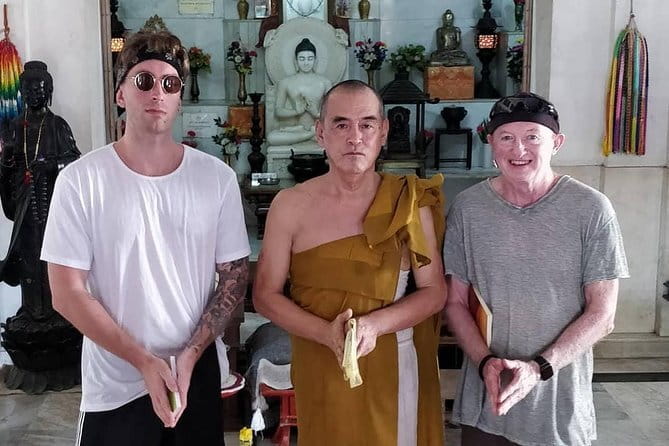
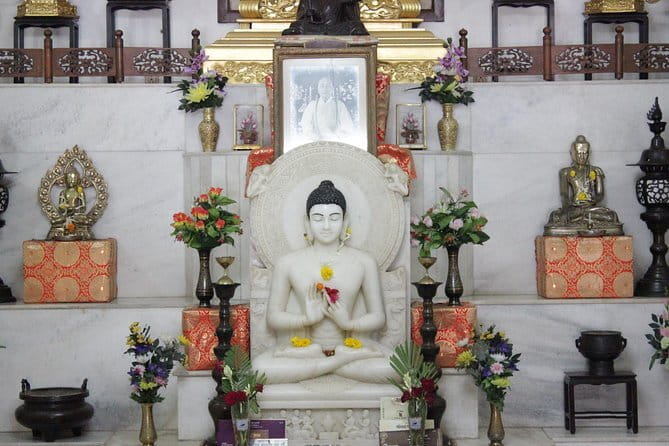
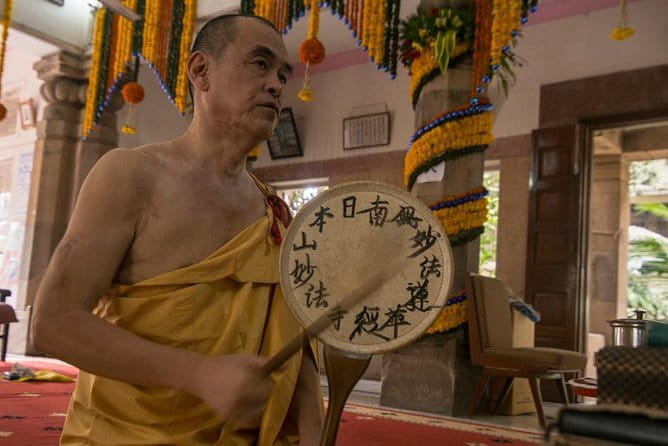
Next you’ll visit Nipponzan Myohoji Budha Temple, a Japanese Buddhist temple. This stop is your “why Buddhism looks the way it does” moment—how a specific tradition takes root in a city like Mumbai, and what that means for local practitioners.
Again, plan for around 20 minutes. The benefit is that you’re not rushing blindly from one place to another; the guide can connect the temple’s visual style to basic Buddhist ideas and community history. If you’re new to Buddhism, this is a good starting point because it gives you language to interpret what you’re seeing.
Babulnath Temple and the Shiva stories you can actually picture
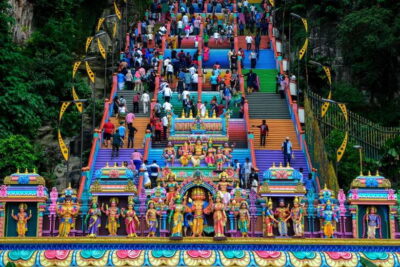
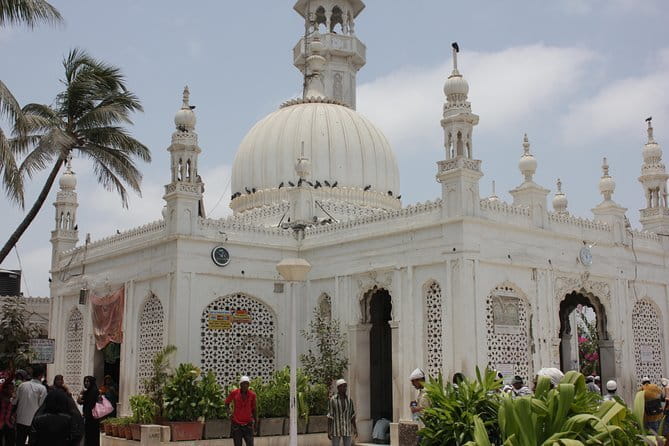
At Babulnath Temple, the focus shifts to Hinduism, with Lord Shiva as the anchor. You’ll get a guided walkthrough of Hindu beliefs and culture as they play out in the city. This is where Mumbai’s “living religion” quality becomes obvious, since Hindu worship is deeply woven into daily rhythms.
What I like about this stop is that it’s not just about the structure. It’s about learning how people relate to the divine—through tradition, practice, and community meaning. The time is short, but a strong guide can turn 20 minutes into real understanding instead of a quick glance and a photo.
St. Thomas Cathedral: Christianity in Mumbai’s older streets
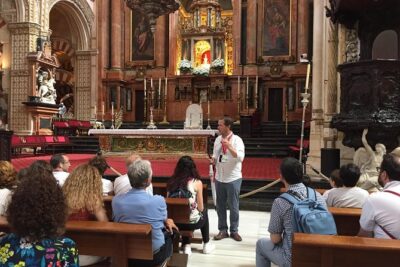
Then you’ll head to St. Thomas Cathedral Mumbai, described as one of the oldest churches in town. This stop is for anyone who wants to understand Christianity’s local footprint in a place where multiple religions share the same neighborhoods.
Here’s what makes it useful: the guide doesn’t just point out Christian elements. They help you connect the church to how the religion is practiced in the city—what that means in real terms, not just in theory. If you care about how faith communities survive and adapt over time, this is one of the most meaningful parts of the route.
Haji Ali Mosque: a sea-side landmark with shared respect
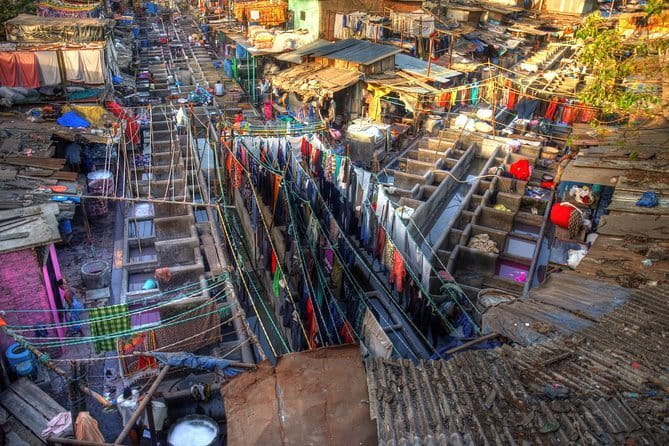
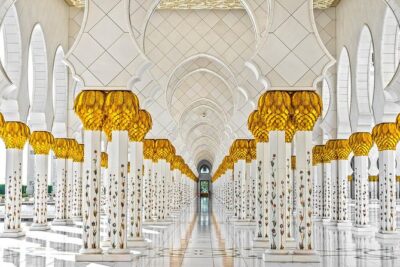
Your final major stop is Haji Ali Mosque, the iconic mosque known for its location near the Arabian Sea. It’s a powerful sight even before you fully understand it, and the guide will help you interpret what you’re seeing.
The plan notes that it’s primarily a Muslim place of worship, but the site attracts people from different communities too. That matters, because it frames religion in Mumbai as something shared in the public sphere, even when each faith has its own rules and rituals. If you like places where architecture and belief meet, this is the stop that often sticks in your memory.
Time, pace, and the value of a private 3 to 4 hours
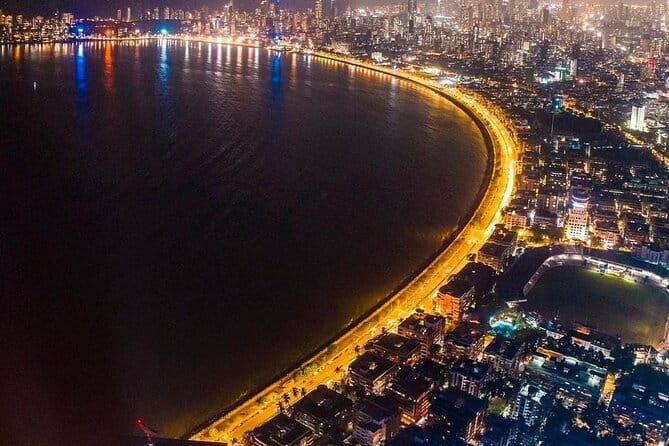
The tour runs about 3 to 4 hours total, and the schedule assigns about 20 minutes per stop. That pacing is deliberate. You’re getting a compact “greatest hits” religious education without needing a full day.
The other practical win is logistics. The package includes a professional guide, a driver, and hotel pickup and drop-off. That can save you real hassle in Mumbai, where timing and traffic can turn a simple plan into an all-day shuffle. Since the tour is private (only your group), you won’t feel pushed along by strangers’ agendas.
Is it perfect for slow travelers? Not really. If you want to sit for a long time, read every plaque, and take your time inside each site, you may wish you had more hours. But if you want a smart overview with strong guidance, this format makes sense.
What the guide quality really changes (and why it matters)
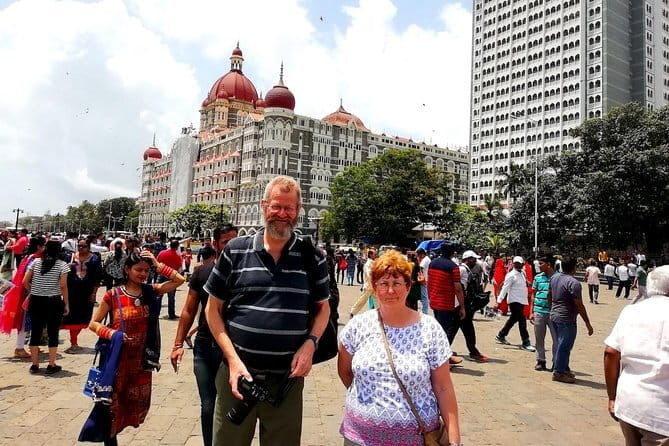
Religious-site tours live or die by the guide. Based on feedback tied to this operator’s religious-walk experiences, the guides tend to be the kind who welcome questions and explain differences without turning the day into a debate.
Names that come up repeatedly in similar tours include Nasreen, Twinkle Vora (with driver Ramesh), Nishtha, Nimisha, Naseem, Shruti, KP, and Heer. What you can take from that: you’re likely to get someone who’s comfortable translating faith ideas into plain language. And if you’re nervous about visiting places alone or unsure what to ask, a good guide is the difference between feeling awkward and feeling confident.
Practical tips for visiting sacred places in Mumbai
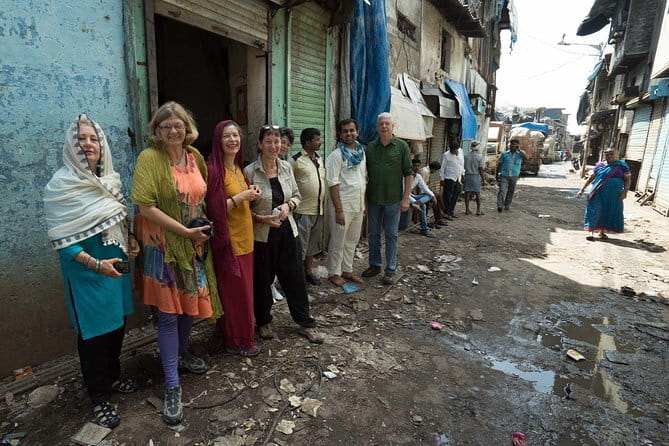
A tour like this asks you to move through active worship spaces, so a little preparation helps a lot.
- Dress respectfully. You’ll be in places of worship for short periods, but you still want clothing that feels appropriate.
- Keep your questions ready. If something feels confusing, ask. The point of this tour is interpretation, not silent observation.
- Expect quick transitions. The plan is designed for multiple stops, so you’ll spend some time traveling between sites.
- Bring water and a light layer. Even when the day is comfortable, you may feel the shift between sun and shade during the drive.
Also, the tour requires moderate physical fitness. You’re not doing strenuous hiking, but you will be walking and moving between locations in an active city.
Who should book this tour
This is a great fit if you:
- Want a structured introduction to Mumbai’s major religions in one afternoon
- Prefer a guided explanation over reading alone
- Like the idea of comparing faiths through real places, not generic descriptions
- Want a less lonely way to visit sacred sites with someone who knows what matters
It’s also a nice choice for first-timers who feel a bit overwhelmed by Mumbai. A religious route like this gives you a clear storyline through neighborhoods, and the guide helps you connect the dots quickly.
What to do if a site access doesn’t go perfectly
Religious sites are living places, and opening hours or access rules can vary by day. The tour plan includes free admission at listed stops, but your actual ability to spend time inside may depend on what’s happening on-site.
In at least one past religious-site experience with this operator, a guide worked hard when the synagogue visit wasn’t straightforward. I’d take that as a general expectation: your guide will try to handle the situation responsibly. Still, keep a flexible mindset and focus on learning from what you can access.
FAQ
How much does the Sacred sites Mumbai tour cost?
The tour price is $93.78 per person.
How long is the tour?
The duration is about 3 to 4 hours.
Which sacred sites are included?
The tour includes stops at Keneseth Eliyahoo Synagogue, Nipponzan Myohoji Budha Temple, Babulnath Temple, St. Thomas Cathedral Mumbai, and Haji Ali Mosque.
Are entry fees included?
Admission tickets are listed as free for the stops on the itinerary, and all fees and taxes are included in the tour package.
Is hotel pickup included?
Pickup is offered, and hotel pickup and drop-off are included. If your hotel is in suburban Mumbai, there may be an additional transport cost for pickup.
Is the tour private or shared?
It’s a private tour/activity, so only your group participates.
Do children get a discount?
Children below 9 years of age can do the tour free of cost.
What’s the physical demand like?
The tour notes that you should have a moderate physical fitness level.
What happens if the weather is poor?
The experience requires good weather. If it’s canceled due to poor weather, you’ll be offered a different date or a full refund.
Should you book this tour?
If you want a guided, structured introduction to Mumbai’s religious life in just a few hours, I’d say yes. The blend of five major faith sites, free admissions, and private guided logistics makes this a good value way to learn without getting lost in planning.
I’d think twice only if you’re the type who needs lots of time inside each site. Here, the schedule is built for quick understanding, not long worship-hour visits. If you’re happy with short, well-explained stops, this is a smart booking.