REVIEW · ISTANBUL
Small Group Tour: Hagia Sophia, Basilica Cistern, Blue Mosque and Grand Bazaar
Book on Viator →Operated by Istanbul Custom Tours · Bookable on Viator
Old Istanbul is a story you can walk through. This small-group tour strings together the big names—Hagia Sophia, Basilica Cistern, the Blue Mosque, and the Grand Bazaar—without wasting your morning. I like how the guide keeps the day moving with a logical order (and yes, it can cut down the misery of long waits), plus you still get actual time inside each stop, not just a photo sprint.
One thing to plan for: the two heavy-hitter entrances are not included. Basilica Cistern is paid by credit card at entry, and Hagia Sophia is paid in cash to the guide, and those fees can change before your date.
In This Review
- Key Things to Know Before You Go
- Why This Small-Group Route Works at an 8:30 Start
- Sultanahmet District First: Free Time to Get Oriented
- Hagia Sophia Grand Mosque: 1.5 Hours to Look Past the Postcards
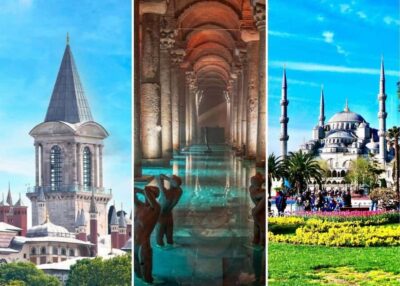
- Basilica Cistern: The Medusa Heads Beneath Your Feet
- Hippodrome: When Istanbul Was Political and Sports-Heavy
- Blue Mosque: Tiles and Light, Plus a Breather
- Grand Bazaar With Real Navigation Skills
- Price and Value: Is $110 a Fair Deal?
- The Guide Factor: How Uğur-Style Storytelling Changes the Day
- Timing, Walking, and What Your Body Should Expect
- Who This Tour Suits Best
- Should You Book This Tour?
- FAQ
- How long is the tour?
- What is included in the price?
- Are the Hagia Sophia and Basilica Cistern entrance fees included?
- How many travelers are on the tour?
- What time does the tour start, and where does it meet?
- Is the Grand Bazaar always open?
Key Things to Know Before You Go
- Max 10 travelers: It feels like a real group, not a crowd.
- Licensed English guide: You get context and practical guidance, especially in the market maze.
- Smart order to reduce waiting: The day is paced to limit time stuck in lines.
- Two paid entrances: Hagia Sophia and Basilica Cistern cost extra (and payment method differs).
- Old City concentration: Most stops cluster in Sultanahmet, so you spend time seeing, not commuting.
Why This Small-Group Route Works at an 8:30 Start
Starting at 8:30am is a quiet advantage. You’ll be in the Sultanahmet area early enough to get your bearings before the day thickens. With a maximum of 10 travelers, the pace stays human, and questions don’t get lost in the shuffle.
I also like that the format is built around entry-time reality. Some of Istanbul’s most famous sites can mean long lines, so the guide’s job is not just storytelling—it’s timing. In at least one case, the tour effectively turned into a private experience, which tells you how well this group size stays under control.
Where you meet matters too. You start near Alemdar, Divan Yolu Cd. No:4 in Fatih, and the tour ends around Ç. Nuruosmaniye Caddesi in Beyazıt. That lets you finish near more exploring if you want to keep going on your own.
You can also read our reviews of more tours and experiences in Istanbul.
Sultanahmet District First: Free Time to Get Oriented
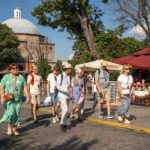
The day begins in the Sultanahmet district, the old heart of Istanbul. The plan gives you about 30 minutes here with no ticket required. This isn’t just filler. It’s the moment to understand where everything sits and what kind of day you’re having: a dense cluster of landmarks, stone streets, and major monuments on top of a neighborhood that still feels alive.
If you’re the type who likes to know what you’re looking at before you hit the walls and ceilings, this stop helps. You’ll be less confused later when the guide starts pointing out specific structures and how the Ottoman and Byzantine layers overlap in the same area.
Hagia Sophia Grand Mosque: 1.5 Hours to Look Past the Postcards
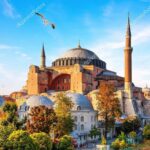
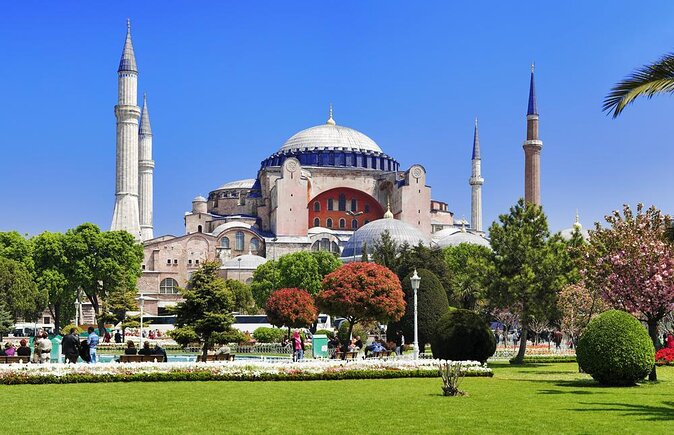
Next up is Hagia Sophia Grand Mosque, one of the world’s most famous buildings. This stop is about 1 hour 30 minutes, and the entrance fee is not included. The site’s story is part church, part mosque—built in the 6th century and known for Byzantine architecture, legends, and mosaics.
What I like about giving you time here is that Hagia Sophia can’t be understood in 10 minutes. You need slow looking. You’ll get a chance to see the details the building is famous for, especially the mosaics and the layered design that made it a landmark long before today’s crowds.
Possible consideration: this is a ticketed entry you’ll pay separately (in cash to the guide). Also, because it’s a top attraction, lines can still happen. The guide helps by ordering the day in a way that tries to minimize waits, but you should still expect the usual bustle at a site like this.
Basilica Cistern: The Medusa Heads Beneath Your Feet
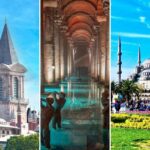
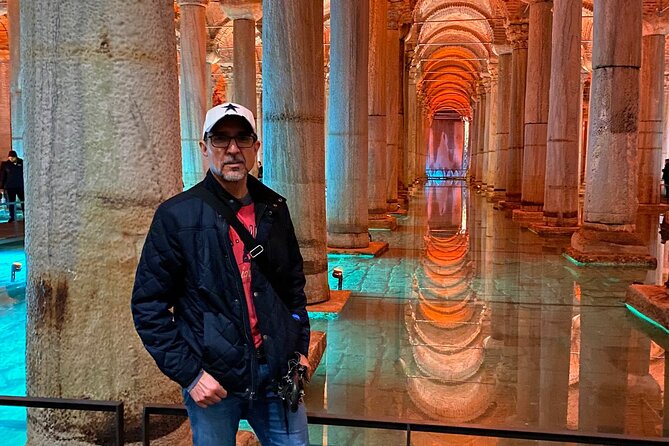
After Hagia Sophia, you head underground to Basilica Cistern, about 45 minutes. This is another major entry fee, paid not included, and you’ll pay by credit card at the entry. It’s the largest underground water reservoir from the Byzantine period, and what you’ll remember fast is the famous Medusa heads inside.
This stop is special because it changes the feel of the day. You go from bright stone and sky to cool, dim space where sound carries differently. Even if you’ve seen pictures before, the scale and atmosphere can surprise you.
The guide helps here by giving you the “why it matters” behind the sight. It’s not just spooky water tunnels. It’s infrastructure from a city that had to solve basic life needs—then turned the results into something people still study and photograph.
Hippodrome: When Istanbul Was Political and Sports-Heavy
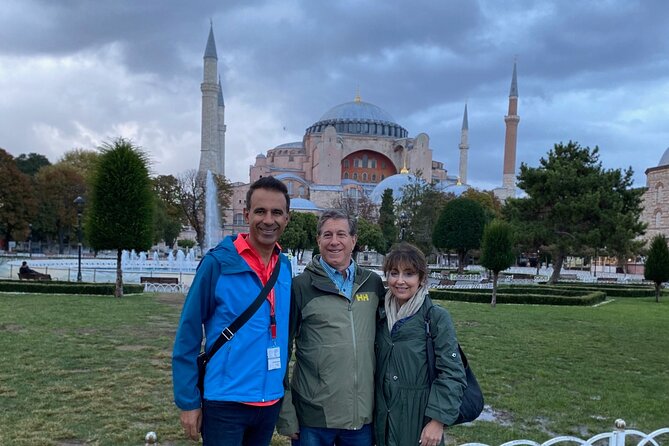
Then comes the Hippodrome stop, about 30 minutes, and it’s free. This was the former center of sportive and political activities of Constantinople. In other words: this wasn’t a quiet plaza. It was a stage.
You’ll see several standout monuments connected to the wider Byzantine world, including an obelisk from Egypt, the Serpentine Column from Delphi, and the fountain of Wilhelm II. The value here is context. Without a guide, you might walk past these as random bits of stone. With one, you start seeing them as a map of connections—Rome, Greece, Egypt, and the way empires borrowed symbols and power.
It’s a shorter stop, but it connects the dots between the grand religious architecture and the city’s public life.

Blue Mosque: Tiles and Light, Plus a Breather
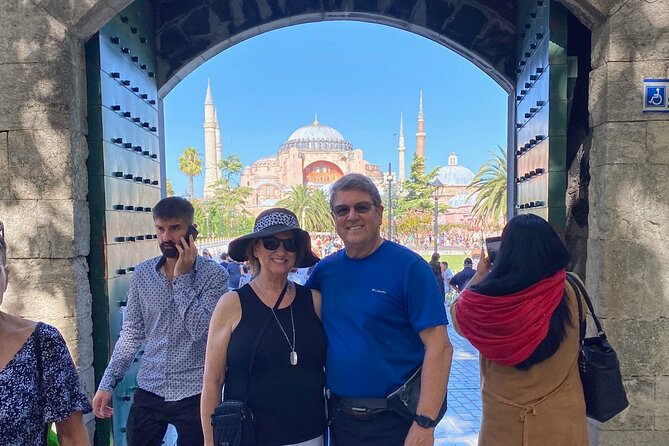
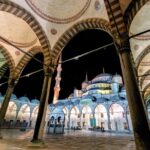
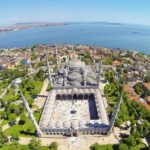
The tour hits the Blue Mosque (also called the Sultanahmet Mosque) for about 30 minutes, and admission is free. This is a 17th-century masterpiece and a major part of Istanbul’s skyline.
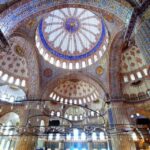
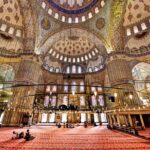
Inside, you’ll get surrounded by blue Iznik tiles and stained glass. The effect is immediate. Even if you’re not an architecture person, the colors do the work for you. It’s one of those places where you can just stand for a few minutes and let your eyes settle.
One practical note: this stop is free, but free doesn’t mean no lines. Expect the normal busy flow of a major mosque. The guide’s pacing helps you avoid feeling rushed, which is the main win.
Grand Bazaar With Real Navigation Skills
Finally, you reach the Grand Bazaar, one of the oldest and biggest covered bazaars in the world. You’ll spend about 45 minutes here, also free entry, and the guide’s job turns from explaining history to helping you move.
This is where the best part shows up in the real-world experience: a good guide can save you from wandering in circles. In the tour experience I reviewed, the guide—named Uğur—was especially helpful at navigating the market maze and keeping things practical. Another highlight: he also timed breaks so you could grab coffee or tea and a snack without derailing the group.
Grand Bazaar has more than 4,000 shops, so it helps to have someone who knows how to steer you past the places that matter most, while also telling you what to ignore and how to enjoy it without getting overwhelmed.
Important closure reality: the Grand Bazaar is closed on Sundays. On those dates, you’ll visit the Spice Market instead. Also, the bazaar has specific closure dates in 2026 tied to Ramadan and Eid celebrations and Republic Day. If your travel dates fall near those windows, double-check what your day will look like.
Price and Value: Is $110 a Fair Deal?
At $110 per person for about 5 hours, this tour sits in the “worth it if you hate logistics” category. You’re paying mainly for:
- a licensed English-speaking local guide
- local taxes
- a planned route that keeps you moving in the right order
- a mobile ticket (helpful for entry management)
You’re not paying for the two biggest ticket entries:
- Basilica Cistern: $35 per person, paid by credit card at entry (fee may change)
- Hagia Sophia: $30 per person, paid in cash to the guide (fee may change)
So your real cost can land higher depending on those fees, but you’re still paying for a structured day with time inside each site. Where this becomes good value for you is if you want story plus timing. If you’d rather build the route yourself and don’t mind picking your own order, you might spend less by going solo. If you want fewer decisions and less standing around guessing, this price starts to feel fair fast.
The Guide Factor: How Uğur-Style Storytelling Changes the Day
The best reviews point to the same theme: the guide isn’t just reciting facts. In one described experience, Uğur knew which sites to see in what order to minimize waits, and he gave a solid history lesson along the way. That matters because Old Istanbul can feel like five separate attractions stapled together—unless someone connects them.
The other practical win: guidance inside the bazaar. A market is chaotic by design. Having a guide who can show you where to go, what’s most interesting, and how to avoid aimless wandering turns the time into something you actually enjoy.
Also, the group experience is a plus. A smaller group makes it easier to ask questions, and it’s more comfortable when you’re inside places with tight space and shifting flows.
Timing, Walking, and What Your Body Should Expect
This tour includes both open-air stops and indoor ones, including an underground cistern and long museum-like viewing time at Hagia Sophia. The tour description calls for moderate physical fitness, which makes sense if you’re comfortable with steady walking and time spent standing.
If you know you get tired quickly in lines or at crowded interiors, this route is still workable because the total duration is about 5 hours. The pacing is built around multiple stops rather than one huge marathoning block.
Who This Tour Suits Best
You’ll probably love this if:
- you want the classic Old Istanbul checklist without spending your day figuring out routes
- you prefer a small group over a bus full of people
- you care about context, not just photos
- you want help navigating the Grand Bazaar so it feels like an experience, not a maze you escape from
You might reconsider if:
- you hate paying extra for major entrances
- you want total freedom to linger indefinitely (this is time-managed by design)
- your dates line up with expected closures (Grand Bazaar Sunday closures, plus 2026 holiday periods)
Should You Book This Tour?
Book it if you want a clean, efficient way to hit Hagia Sophia, Basilica Cistern, Blue Mosque, Hippodrome, and the Grand Bazaar in one morning package, with a guide who can manage both history and real-world timing. The small group size is a big deal here, especially at places where crowds can flatten the experience.
Hold off or ask questions first if entrance fees are a deal-breaker for you, or if your trip dates fall on a Grand Bazaar closure window. With those dates, you may trade the bazaar for the Spice Market, which is still useful, but it’s not the same vibe.
FAQ
How long is the tour?
The tour lasts about 5 hours.
What is included in the price?
The price includes an English speaking licensed local tour guide and local taxes.
Are the Hagia Sophia and Basilica Cistern entrance fees included?
No. Basilica Cistern costs $35 per person and is paid by credit card at entry. Hagia Sophia costs $30 per person and is paid in cash to the guide. Fees might change before your tour date.
How many travelers are on the tour?
This tour has a maximum of 10 travelers.
What time does the tour start, and where does it meet?
It starts at 8:30am and meets at Alemdar, Divan Yolu Cd. No:4, 34110 Fatih/İstanbul, Türkiye.
Is the Grand Bazaar always open?
No. The Grand Bazaar is closed on Sundays, and the Spice Market is visited instead. It also has specific closure dates in 2026 tied to Ramadan and Eid celebrations and Republic Day.