REVIEW · ISTANBUL
Balat Chore Mosque and Sunset Multiple Tour
Book on Viator →Operated by Yacht Cruises: Bosphorus · Bookable on Viator
A Bosphorus sunset starts with Balat. This 5-hour Istanbul combo mixes Byzantine-and-Ottoman sights in Balat with a relaxed 2-hour sunset cruise.
I especially like the way the tour connects Istanbul’s different faith communities in one easy run, and I love the small-group size that keeps questions from getting lost.
My other favorite part is the Bosphorus timing: you get to see the palaces, bridges, and waterfront landmarks as the light turns soft. The boat experience is clean and comfortable, and the guide adds context while you enjoy snacks like cookies, baklava, and nuts.
One drawback to plan for: Chora Museum admission is not included, so bring extra money if you want the full stop at Kariye Mosque/Chora Museum.
In This Review
- Key highlights (what makes this tour work)
- Balat and Bosphorus in one smooth 5-hour plan
- Meeting at Kariye Mosque: where the tour’s story begins
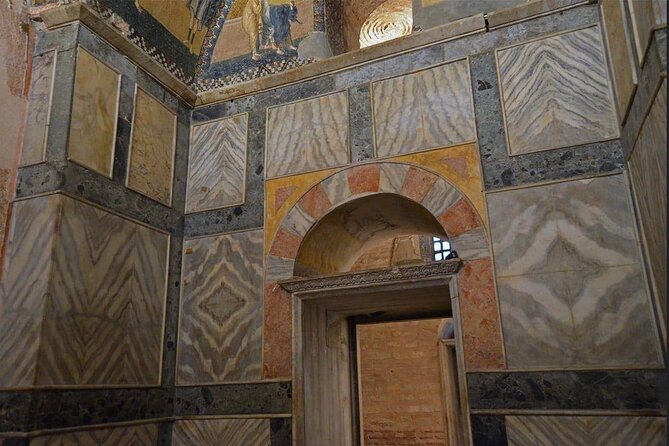
- Chora Museum (Kariye Mosque): Byzantine mosaics you’ll remember
- Ahrida Synagogue: boat-shaped symbolism and living heritage
- Yanbol Synagogue: wood details and a restored interior
- Balat street level: Colorful Stairs and real neighborhood rhythm
- Greek Orthodox landmarks in Balat and Fener: icons, cathedrals, and school history
- Meryem Ana Greek Orthodox Church
- Fener Greek Orthodox Secondary School and High School
- St. George Cathedral (Aziz George Katedrali)
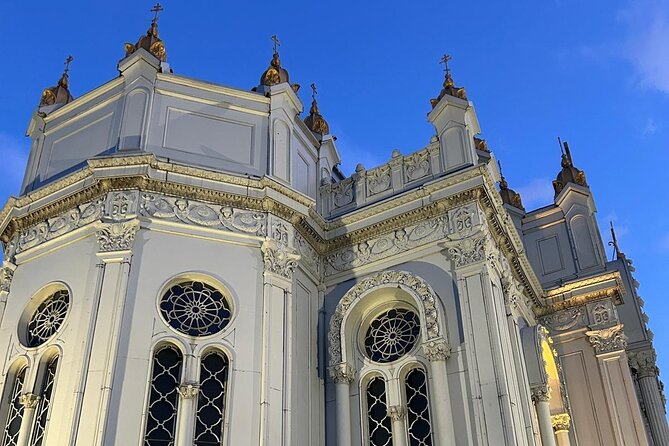
- Sveti Stefan Church, also known as the Iron Church
- Transition to the Bosphorus: getting ready for the sunset cruise
- The 2-hour Bosphorus yacht cruise: bridges, palaces, and the long view
- Snacks and the guide voice: why the cruise feels worth it
- Price and value: what $96.12 covers (and what it doesn’t)
- Who this tour is best for
- Should you book this Balat and Bosphorus sunset combo?
- FAQ
- How long is the tour?
- Is the tour offered in English?
- Are tickets and entry fees included?
- What’s included during the sunset cruise?
- What additional costs should I expect?
- Where does the tour start and end?
- How big is the group?
- Is there a cancellation option if plans change?
- Is the tour suitable for most people?
Key highlights (what makes this tour work)
- A small group (max 12) keeps the vibe calm and the commentary personal.
- Balat’s multi-faith stops link centuries of Jewish, Greek Orthodox, and Byzantine art in one route.
- Chora Museum time is built in (1 hour), but tickets cost extra.
- A real sunset window (2 hours) on the Bosphorus with a smooth, comfortable yacht ride.
- Professional English guidance from guides like Beryl and Betül.
- Included sweet-and-nut snacks help you stay comfortable without hunting for food.
Balat and Bosphorus in one smooth 5-hour plan
This is the kind of Istanbul day plan that saves you from juggling too many tickets and too many neighborhoods. You start in the Balat/Fatih side, then transition into the Bosphorus cruise at sunset. You’re basically seeing the city as it changes tone: stone church-and-synagogue details up close, then wide water views with skyline drama.
I like that the structure gives you both sides of Istanbul without making it feel like a sprint. Balat is walked-view slow, while the cruise lets you sit back and watch famous landmarks slide past.
You can also read our reviews of more tours and experiences in Istanbul.
Meeting at Kariye Mosque: where the tour’s story begins
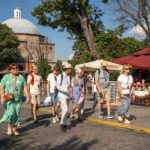
You meet at Kariye Mosque (Kariye Cami) in Fatih, at Derviş Ali, Kariye Cami Sk. No:18. It’s a practical starting point because it’s tied to one of Istanbul’s best-known Byzantine art stops.
If you’re arriving from elsewhere, give yourself a little buffer to get oriented around that area. The meeting point is described as near public transportation, which helps, but Balat/Fatih streets can still take a bit of navigation. This is also a good time to confirm what you’ll do about Chora Museum entry fees, since those are not included.
Chora Museum (Kariye Mosque): Byzantine mosaics you’ll remember
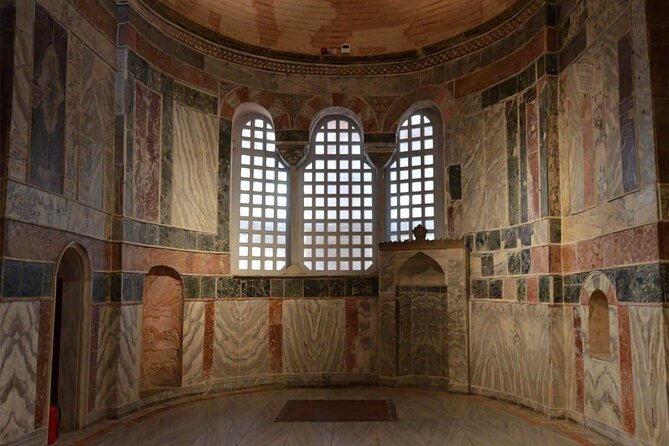
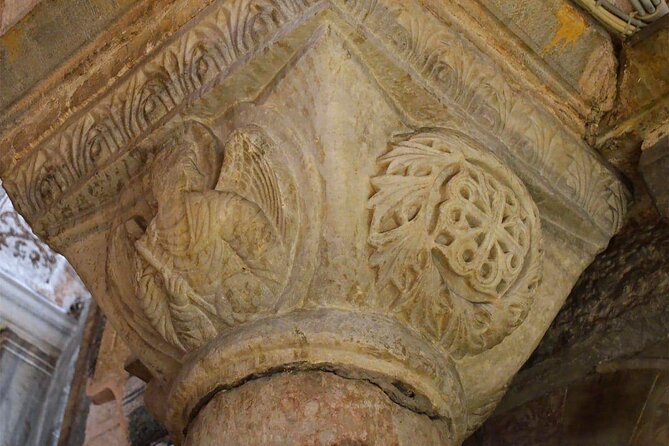
The tour’s first major cultural stop is Chora Museum, also connected to Kariye Mosque. This is the historic Byzantine church building that became known as the Chora Church, famous for well-preserved mosaics and frescoes.
Two things I’d tell you to look for here:
1) The storytelling artwork—scenes tied to Jesus and Mary are one reason this site draws people.
2) The layered identity of the building—Byzantine church to Ottoman mosque to museum, and then later reopened as a mosque again.
That shifting use is part of why this stop feels important. You’re not just looking at art. You’re seeing how a single space can carry different meanings over time.
One practical note: admission to Chora Museum is not included, even though the stop is built into the schedule for about 1 hour. If you want maximum value, plan to pay that entry fee when you arrive (or purchase/prepare through whatever method your guide gives on the day).
Ahrida Synagogue: boat-shaped symbolism and living heritage
After Chora, the tour moves into Balat, the Golden Horn neighborhood known for a long multi-community past. A highlight here is the Ahrida Synagogue, tied to Jewish settlers from Ohrid (Ahrid) in the Balkans.
What makes Ahrida special is its distinctive design element: the boat-shaped bimah. The symbolism can be interpreted as Noah’s Ark or as Ottoman ships connected to bringing Jews to safety. Even if you don’t get hung up on the exact interpretation, the shape itself is visually memorable.
This synagogue is also described as an active place of worship. That changes the tone of your visit. Instead of treating the building as a static museum piece, you’re seeing heritage as something still used.
Yanbol Synagogue: wood details and a restored interior
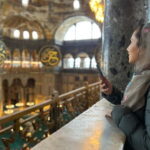
Next is the Yanbol Synagogue, associated with Jews who came from Yambol (Yanbol) in Bulgaria. The synagogue was rebuilt in the 18th century, and it’s known for its wooden interior and a painted ceiling.
A nice detail to watch for is how restoration has played a role. The building is described as recently restored and as one of Balat’s few remaining active synagogues. That combination—old structure plus restored interior—tends to make the experience feel both historic and cared for.

Balat street level: Colorful Stairs and real neighborhood rhythm
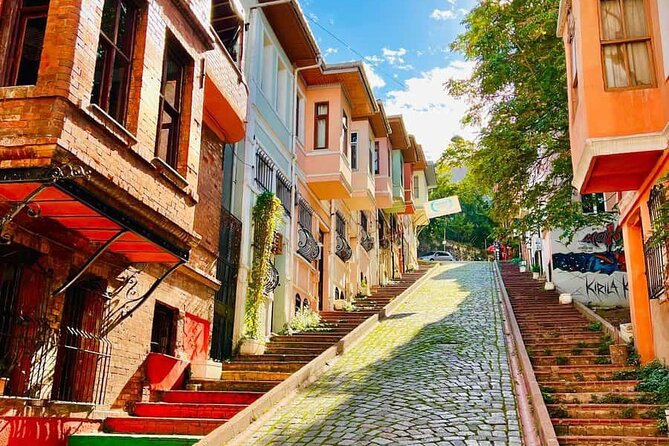
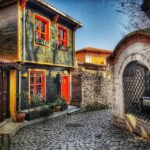
Between churches and synagogues, you get a Balat photo moment at the Renkli Merdiven (Colorful Stairs). These are the bright painted steps that help connect steep streets and give Balat its immediate, colorful visual identity.
If you’re the kind of person who likes photos but also wants to feel like you’re in a neighborhood, this works. It’s an easy stop that lets you pause, look around, and snap a few pictures without turning the whole day into a camera-only mission.
The one consideration here is simple: Balat is a hillside neighborhood. Wear shoes you’re comfortable using on uneven, sloped streets.
Greek Orthodox landmarks in Balat and Fener: icons, cathedrals, and school history
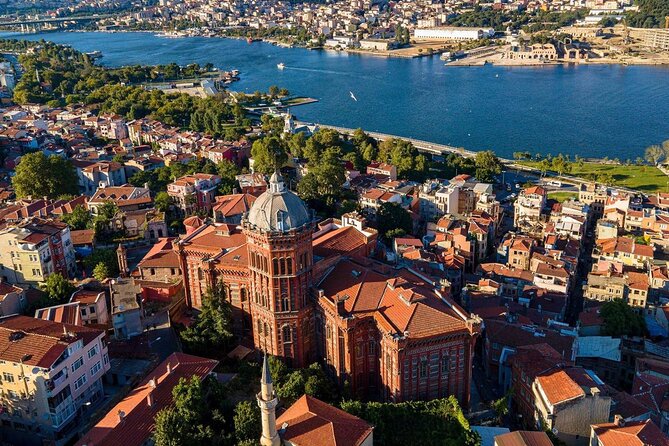
The tour then brings you into the Greek Orthodox landmarks that define the Balat/Fener area’s identity.
Meryem Ana Greek Orthodox Church
You’ll stop at Meryem Ana Greek Orthodox Church, known for traditional Byzantine-style architecture and an ornate iconostasis. The descriptions emphasize rich interior decorations and long service to the local Rum (Greek) community.
If you want a quick way to read what you’re seeing, focus on the iconostasis and how it frames the altar area. It’s the kind of design that helps you understand how Orthodox worship spaces are structured.
Fener Greek Orthodox Secondary School and High School
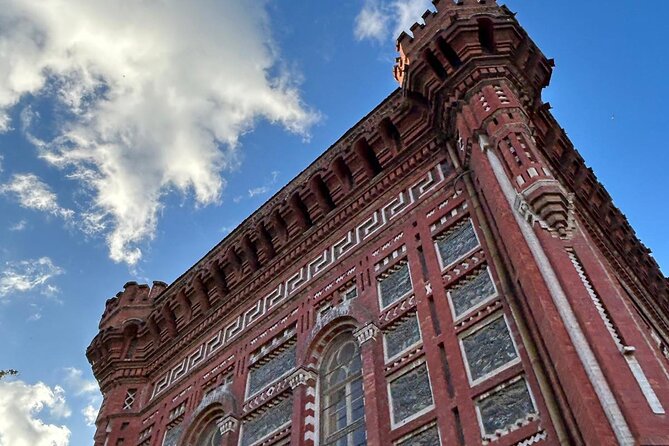
Another standout stop is the Fener Greek Orthodox Secondary School and High School, founded in 1454. It’s famous for its red-brick building, often nicknamed the “Red Castle” or “Castle of the Phanar.”
This is a good stop if you’re interested in how minority communities preserved identity through education. The school continues to operate as a private minority school, so you’re not just looking back in time—you’re seeing something ongoing.
St. George Cathedral (Aziz George Katedrali)
Then comes the St. George Cathedral, the spiritual center of the Ecumenical Patriarchate of Constantinople. From the outside it can look modest, but the interior is described as richly decorated with significant icons and relics, plus a historic patriarchal throne.
This cathedral is one of those places where the explanation matters. If your guide points out what the relics and icons represent, the whole visit clicks into place. Even if you only catch a few facts, it helps you look at the space with the right lens.
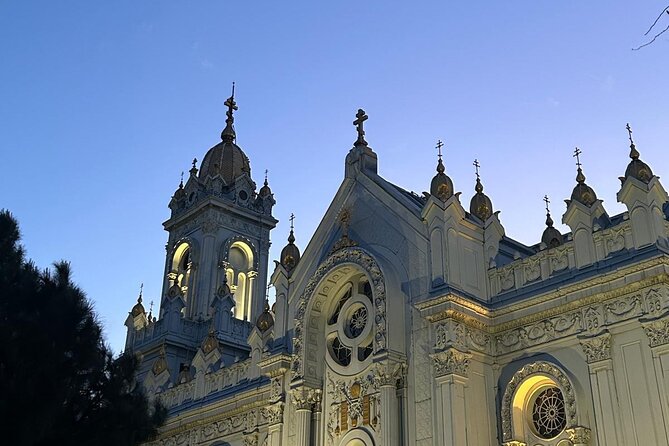
Sveti Stefan Church, also known as the Iron Church
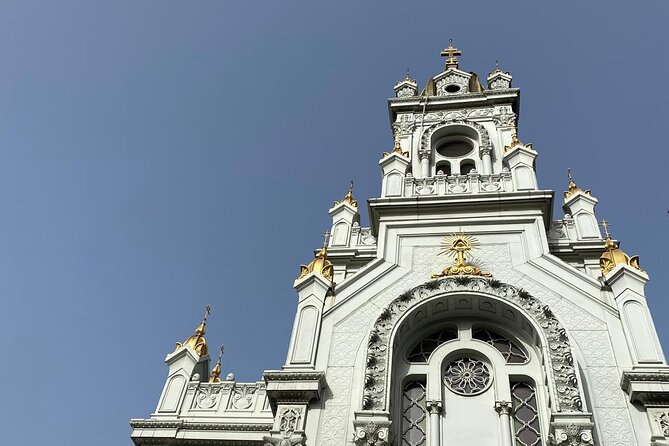
Finally, you’ll visit Sveti Stefan Church, nicknamed the Iron Church. It’s built by the Bulgarian Orthodox community and is unique because it’s made from prefabricated cast iron.
That technical detail is exactly why this stop is worth it. It’s not just another church. It’s an architectural oddball with real story behind it, and it tends to spark questions like how such a building was assembled and why the community chose this style.
Transition to the Bosphorus: getting ready for the sunset cruise
At some point during the walk, the tour reaches the meeting and start point for the sunset cruise, then you shift from street-level viewing to water-level sightseeing.
This handoff matters. Istanbul’s best sunset views are on the Bosphorus, but the city is huge and traffic can scramble timing. The plan here builds the cruise window into your schedule so you’re not trying to guess when the light will be best.
Also, you end at Kabataş Square, so the route doesn’t vanish into nowhere. You get back to a major hub that makes it easier to keep going after the cruise.
The 2-hour Bosphorus yacht cruise: bridges, palaces, and the long view
The cruise is described as 2 hours, with a smooth set of sights along both shores. And yes, the big reason to do this at sunset is the contrast: darkening sky over water, bright buildings catching last light, and long lines of bridges that look different every few minutes.
Here’s what you can expect to pass and see:
- Dolmabahçe Palace: European-style Ottoman grandeur with ceremonial halls and crystal chandeliers.
- Çırağan Palace: an Ottoman palace that’s now a luxury hotel, with waterfront gardens.
- Ortaköy: mosque views, waterfront cafés, and that classic Bosphorus promenade energy.
- Bosphorus Bridge (15 July Martyrs Bridge) and the other big crossing landmarks.
- Bebek: upscale waterfront views, parks, and shoreline mansions.
- Rumeli Hisarı: the fortress built to control naval traffic before the conquest period.
- Fatih Sultan Mehmet Bridge and then onward toward the Asian side.
- Anadolu Hisarı: the paired fortress across the water.
- Küçüksu and its Ottoman waterfront palace area.
- Kuleli Military High School at Üsküdar’s side of the story.
- Beylerbeyi: the Ottoman summer residence area.
- Üsküdar: historic district atmosphere and seaside views.
- Maiden’s Tower (Kız Kulesi): the famous tower at the islet entrance to the Bosphorus.
- Galata Bridge and the approach back toward the Golden Horn.
- Galataport: the modern waterfront development by Karaköy.
That list is a lot, but the point is how the cruise frames it. Instead of checking buildings one-by-one at your feet, you get a stitched-together city view. You see how Istanbul grew around chokepoints and ports.
Snacks and the guide voice: why the cruise feels worth it
Included with the cruise are some snacks such as cookies, baklava, and nuts, plus the presence of a professional local English tour guide. In real terms, this means you don’t have to plan a separate snack stop mid-cruise when the sun is going down and you’d rather just relax.
One small thing to manage: your expectations on snacks. They’re included, but you’re not paying restaurant prices here. The balance is good for a short ride where your main focus is the views and the guide commentary.
In the service side, I’d call out two guide names that stand out from the experience: Beryl and Betül. The vibe is polite, helpful, and they tend to connect explanations to what you can actually see from the boat.
Also, the boat ride is described as clean and comfortable. And with a maximum of 12 travelers, it helps the atmosphere stay calm instead of chaotic.
Price and value: what $96.12 covers (and what it doesn’t)
At $96.12 per person, you’re paying for a hybrid experience: part guided cultural walking, part guided sightseeing cruise. The big value lever is that the cruise is included for 2 hours and you also get a local English guide and snacks.
Two costs to keep in mind:
- Chora Museum admission is not included (listed as $20.00 per person).
- Public transportation tickets and expenses are not included (listed as €5.00 per person).
If you add up the included and excluded pieces, the tour still looks like a solid deal for people who want both neighborhoods and don’t want to scramble between attractions. If you’re the type who hates extra entry fees, you’ll feel it most at Chora Museum—but the stop is also one of the main reasons to choose this day plan.
Who this tour is best for
This is a strong fit if you want:
- A guided way to connect Balat’s religious and cultural sites without planning a complicated route.
- A sunset Bosphorus cruise that gives you wide views plus explanations.
- A smaller group pace. With max 12, it tends to feel less like a conveyor belt.
It may not be the best fit if you want total freedom to linger at one site for a long time, since the day is structured to cover many stops.
If you’re traveling as a family, it also works well because you get variety: architecture and art stops, plus the cruise as a slower-moving, scenic break.
Should you book this Balat and Bosphorus sunset combo?
I’d book it if your ideal day looks like this: you like guided art and architecture, you enjoy multi-faith context, and you want the Bosphorus sunset without stress. The combination of Balat’s synagogues and Orthodox landmarks with a long enough cruise window is exactly the kind of planning that saves time and makes your pictures better.
I’d think twice only if you’re trying to minimize extra ticket costs, since Chora Museum admission is added. If you’re okay budgeting for that, the included cruise and guide make the overall package feel balanced.
If your schedule allows, try to match your own priorities: culture-heavy and photo-friendly early, then a relaxed sunset ride later. This tour is built for that rhythm.
FAQ
How long is the tour?
The tour runs for about 5 hours, and the Bosphorus sunset cruise portion is 2 hours.
Is the tour offered in English?
Yes, it’s offered in English.
Are tickets and entry fees included?
You get a mobile ticket, but admission for Chora Museum is not included.
What’s included during the sunset cruise?
The 2-hour sunset Bosphorus cruise includes a professional local English guide and snacks like cookies, baklava, and nuts.
What additional costs should I expect?
Public transportation tickets and expenses are listed as €5.00 per person, and Chora Museum admission is listed as $20.00 per person.
Where does the tour start and end?
It starts at Kariye Mosque (Kariye Cami) in Fatih and ends at Kabataş Square (Kabataş) in Beyoğlu.
How big is the group?
The tour has a maximum group size of 12 travelers.
Is there a cancellation option if plans change?
Yes. Free cancellation is offered up to 24 hours in advance for a full refund.
Is the tour suitable for most people?
The tour notes that most travelers can participate.