REVIEW · CORDOBA
Cordoba Mosque & Jewish Quarter Guided Tour with tickets
Book on Viator →Operated by OWAY Tours · Bookable on Viator
Two icons, one well-timed walk through Córdoba. You’ll connect the UNESCO-listed La Judería (Jewish Quarter) with the Mosque-Cathedral (Mezquita-Catedral), all explained by guides praised in feedback like José and Juan. The result feels like walking through centuries, not just taking photos.
I love how the tour uses timed tickets, so you’re not stuck in a long entry line. I also love the headphone system inside the Mezquita-Catedral, which makes it much easier to follow the story in a huge, echoing space.
One drawback to plan for: Córdoba can get very crowded, and on peak days it can be harder to hear every word even with the audio system.
In This Review
- Key highlights
- La Judería Walk: synagogue, souk-style market streets, and Maimonides
- Zoco Municipal de Artesanía: a quick break for ceramics, leather, and filigree
- Entering the Mezquita-Catedral with timed access
- The mihrab, the arches, and the building’s layered story
- Headphones and hearing the guide: what to expect in a loud monument
- Pacing, crowds, and how to make the most of 2.5 hours
- Price and value: $39.76 for two monuments plus tickets and headphones
- Who should book this Córdoba Mosque and Jewish Quarter tour?
- Should you book it?
- FAQ
- How long is the Cordoba Mosque & Jewish Quarter guided tour?
- Where does the tour start and where does it end?
- What’s included in the price?
- Is the tour offered in English?
- Is the synagogue open every day?
- Can I cancel for a full refund?
Key highlights
- Timed tickets to reduce waiting at the Mosque-Cathedral
- Personal headphones so you can hear the guide clearly inside
- La Judería focus on the synagogue (when open), the Arabic-era market area, and Maimonides
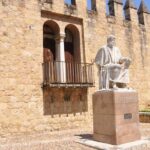
- Bronze statue of Maimonides, plus context on his life as philosopher, rabbi, and physician
- Mezquita-Catedral layers, from 8th-century construction to later Christian additions
- Short artisan stop at the Zoco Municipal de Artesanía for ceramics, leather, and filigree
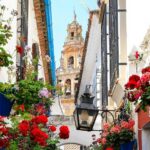
La Judería Walk: synagogue, souk-style market streets, and Maimonides
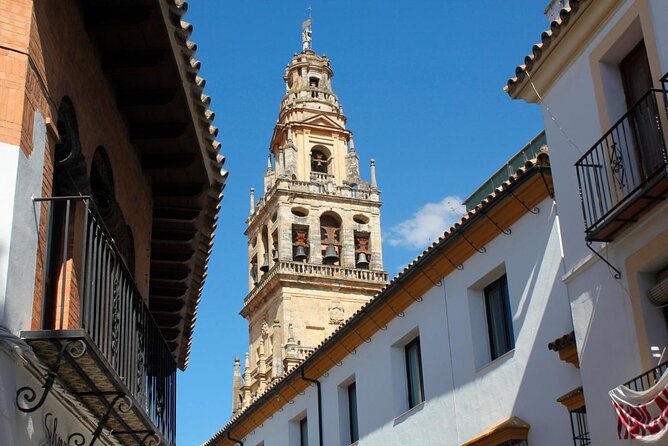
Your tour starts in the historic center at Tours in Cordoba – Oway Tours, near Pl. del Triunfo. From there, you head straight into La Judería, where the streets do most of the storytelling before the guide even speaks. This section is a good fit if you want context first, because the Mezquita makes way more sense when you’ve just traced the neighborhood that surrounds it.
The big anchor here is the synagogue area. The tour includes admission, but there’s an important timing note: the synagogue is closed on Mondays and holidays. If your day falls into that window, don’t panic—your guide can still frame the Jewish Quarter and the sites around it, and you’ll still get the major stops that set up the rest of the visit.
Then you’ll get a stop at a bronze statue of Maimonides. The guide explains who he was—philosopher, rabbi, and physician—which matters because Córdoba’s layers aren’t only architectural. They’re also intellectual. In a city where multiple communities shaped what you see, understanding the people behind the past helps you “read” the streets instead of just moving through them.
You’ll also walk past the marketplace area—described as a former souq (market street). This is where the walking tour earns its keep. You’re not trying to hunt for artifacts on your own; you’re getting a map of what used to happen there, how trade shaped daily life, and why this neighborhood mattered.
Why this stop is worth it: the Jewish Quarter portion is the best kind of guided intro—short enough that it doesn’t drag, but focused enough that you leave with a clearer mental picture. And if you’re heading to the Mezquita afterward, the history you pick up here becomes a lens.
You can also read our reviews of more tours and experiences in Cordoba.
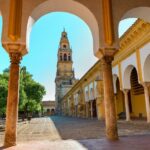
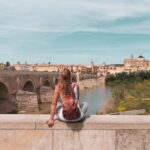
Zoco Municipal de Artesanía: a quick break for ceramics, leather, and filigree
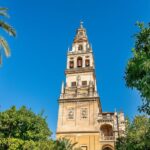
After La Judería, you’ll pause at the Zoco Municipal de Artesanía. The stop is brief, and that’s on purpose. Think of it as a reset button: a chance to slow down your legs for a moment and look at local craftwork without turning the tour into a shopping marathon.
This market is known for items like ceramics, leather, and filigree. Even if you don’t buy anything, it’s a practical way to connect the old-quarter setting with what’s happening now. Córdoba’s historic areas can feel frozen in time; a small crafts stop reminds you the city still works, still makes, still sells.
Possible downside: because it’s short, you shouldn’t plan on browsing like you would in a full market outing. If your priority is shopping, you may want to come back later on your own with extra time after the guided portion ends.
Entering the Mezquita-Catedral with timed access
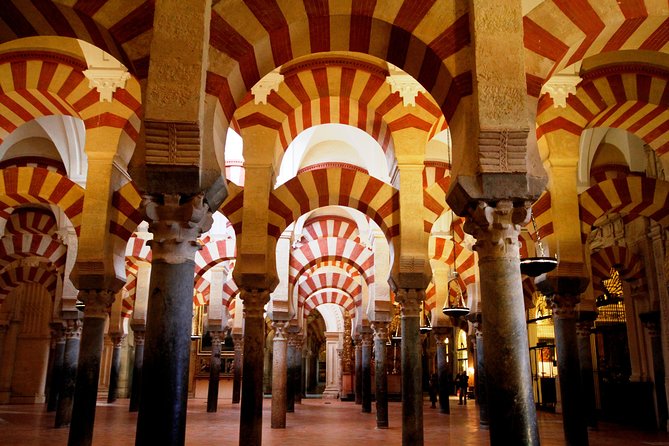
Next comes the main event: the Mosque-Cathedral of Córdoba, one of Spain’s most visited monuments. The tour includes admission, and the timed tickets are a big deal. The Mezquita is huge, and crowding can turn your visit into a slow shuffle. Timed entry helps you spend your energy looking at the building instead of waiting at the gate.
As you move inside, your guide focuses on the features that define the place:
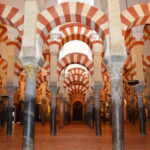
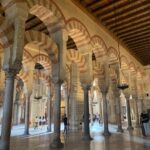
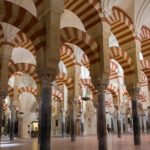
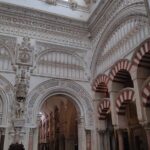
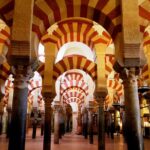
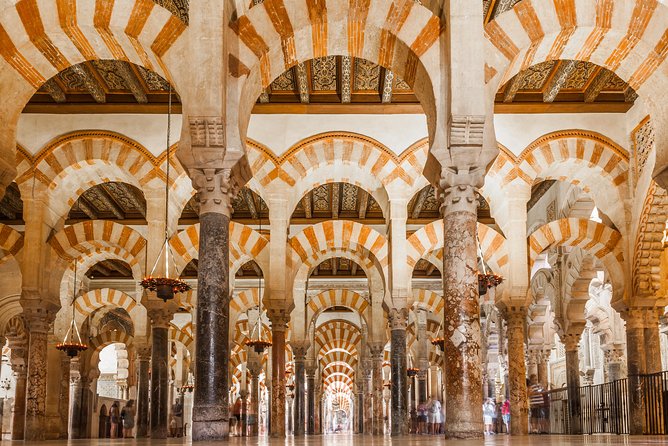
- the “forest” of striped horseshoe arches
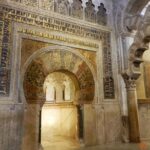
- the ornate decorations connected with the mihrab (prayer niche)
- and how later Christian additions changed what the monument became
A key point your guide will explain is the timeline. Construction began in the 8th century, and later extensions expanded it greatly—described as the second biggest mosque in the world before it became a Catholic cathedral. Hearing that sequence out loud makes the monument less confusing. It also helps you notice why certain parts feel different from others.
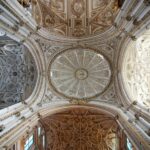
What you’ll feel in this space: the Mezquita is not a “quick look and move on” kind of building. It’s patterned, layered, and visually busy in the best way. The arches pull your eyes forward, then the details make you stop and stare again.
The mihrab, the arches, and the building’s layered story
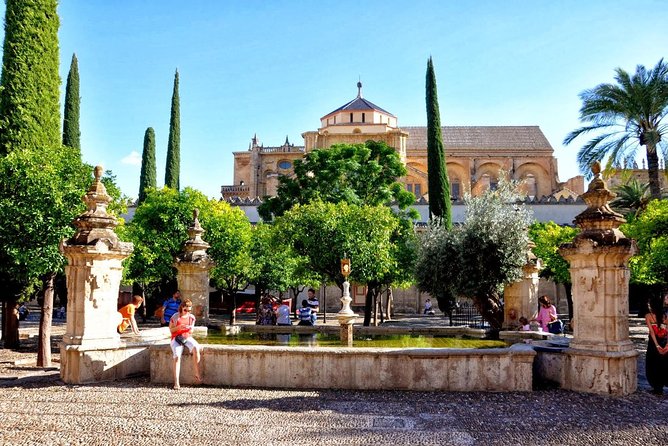
Most people go to the Mezquita expecting one thing: beauty. They get that, obviously. But what separates an average visit from a great one is understanding how multiple eras are physically present at once.
Your guide spends time on the mihrab area, including the ornate decoration. That’s important because it’s not just decoration—it’s an indicator of how the site functioned as a mosque before it was reshaped into a cathedral. Even if you’re not a history nerd, you’ll start seeing the building as a set of answers to different needs over time.
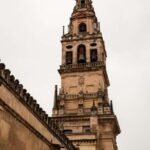
You’ll also get help spotting later Christian additions. That part is less about memorizing dates and more about learning to read the building. When your guide points out where the style shifts, the monument stops feeling like a jumble. It feels like evidence.
Why this is a “do it with a guide” monument: the Mezquita’s scale and complexity can overwhelm you if you’re exploring solo. The guide helps you pick out what matters first, then gives just enough context to carry with you after the tour ends.
And yes—you do get time to continue independently afterward if you want. That’s a good setup: guided first, then personal pacing.
Headphones and hearing the guide: what to expect in a loud monument
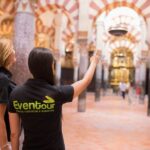
This tour includes a personal headphone system so you can hear the guide inside the Mezquita. In practice, that helps a lot. The Mezquita is wide, echoes easily, and crowd noise can be relentless. Being able to turn down the environment and turn up the explanation changes the experience.
That said, you should know what the feedback suggests about real life on site. Some people reported sound-system issues or found certain accents harder to follow through the audio. Others praised guides for speaking clearly and using the headsets effectively.
My practical advice: if you’re sensitive to hearing issues, stand closer to your guide when possible. If you can, keep your headphone volume at a comfortable level—too low and you miss details, too high and you’ll get sound fatigue fast. Also, ask the guide a question early if anything feels unclear; once you’re deep in the arches, it’s harder to stop and adjust.
Pacing, crowds, and how to make the most of 2.5 hours
The tour runs about 2 hours 30 minutes, which is a tight but workable amount of time for two major stops. You’ll walk, you’ll stand, and you’ll move through crowded interior spaces. A 2.5-hour format means you’ll see the highlights, not everything at maximum depth.
Group size is capped at 30 travelers, and that’s usually manageable. Still, Córdoba is busy, and the monument itself limits how much space tour groups can occupy at once. On high-demand days, crowding can make it harder to hear and harder to pause for photos.
Also, your pace will be guided by access slots and time limits. If you like lingering at one detail for a long while, you may feel rushed for a stretch. The upside is that you’ll leave with a strong overview and a clear plan for what to revisit on your own.
Photo-taking tip: don’t assume you’ll get a long window to shoot everything. If pictures are a priority, aim for key moments: the arches from a steady viewpoint, the mihrab area when your guide calls attention to it, and any spots where the guide steps to the side so you’re not blocking anyone’s view.
Price and value: $39.76 for two monuments plus tickets and headphones
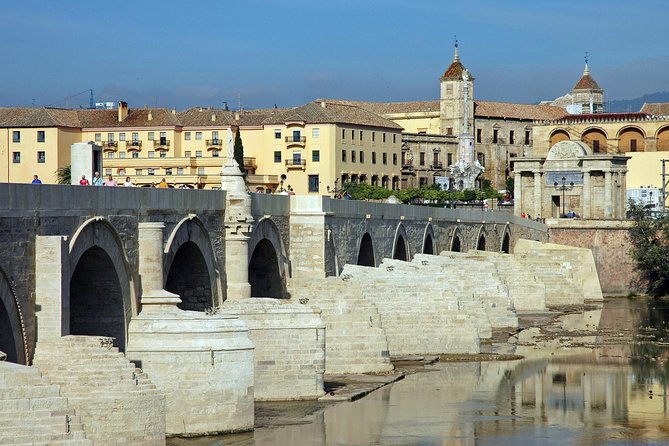
At $39.76 per person, this tour is priced like a “pay for convenience + pay for context” experience. You’re not just buying a guided walk—you’re also getting admission tickets for both the synagogue (with that Monday/holiday closure note) and the Mosque-Cathedral. On top of that, you get the headphone system for the big interior.
That combo is where the value comes from. The Mosque-Cathedral can be a tough place to navigate solo if you don’t know what you’re looking for. The Jewish Quarter section adds the human context that helps you make sense of what you’re seeing afterward.
The tour does not include transportation or food and drinks. That’s fine, because you’re going to want water and breaks on a walking schedule anyway. Plan on grabbing a snack before or after, not during.
Who should book this Córdoba Mosque and Jewish Quarter tour?
This is a strong pick if you:
- want to hit two top Córdoba sights in one go without spending time figuring out what to prioritize
- appreciate a guide who can explain how the same site changes across eras
- like having a headphone system in big monuments
- prefer a structured route through La Judería before you enter the Mezquita-Catedral
It may feel less ideal if you:
- hate crowds and expect to move quietly for long periods
- want a totally flexible, slow exploration with no time limits
- go on days when the synagogue is closed (Mondays/holidays), since that specific admission stop won’t be available as described
For many people, it’s the perfect first stop in Córdoba. For others, it’s the best “second look” plan once you already know a bit and want to see the connections.
Should you book it?
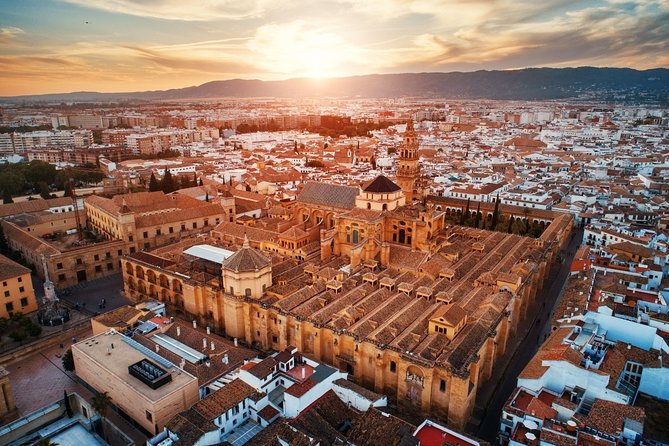
Yes, if your goal is clarity and efficiency. This tour does two hard things well: it gives you context in La Judería, then it teaches you how to see inside the Mezquita-Catedral. Timed tickets and personal headphones are practical perks, not fluff.
One more thing: if you’re booking for a crowded period, go in with realistic expectations. You may not get long photo pauses or effortless silence. But you’ll still get the big picture—and once the guide wraps up, you can continue exploring at your own pace with a much better sense of what you’re looking at.
FAQ
How long is the Cordoba Mosque & Jewish Quarter guided tour?
It runs about 2 hours 30 minutes.
Where does the tour start and where does it end?
You meet at Tours in Cordoba – Oway Tours, Pl. del Triunfo, s/n, Centro, 14003 Córdoba, Spain. The tour ends at the Mosque-Cathedral Monumental Site of Córdoba, C. Cardenal Herrero, 1, Centro, 14003 Córdoba, Spain.
What’s included in the price?
The tour includes a professional guide, Mosque-Cathedral and synagogue admission tickets, and a headphone system so you can hear the guide inside the Mosque.
Is the tour offered in English?
Yes, it is offered in English.
Is the synagogue open every day?
No. The synagogue is closed on Mondays and holidays.
Can I cancel for a full refund?
Free cancellation is available. You must cancel up to 24 hours in advance of the experience start time for a full refund.