REVIEW · CORDOBA
Córdoba: Skip-the-Line Great Mosque-Cathedral History Tour
Book on GetYourGuide →Operated by Konexion Tours · Bookable on GetYourGuide
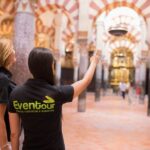
You feel the centuries in every arch. This Córdoba Mezquita-Cathedral history tour is one hour of real, layered storytelling inside Spain’s most gripping mosque-then-cathedral site. You get included entry tickets (so you’re not stuck outside), plus audio receivers so the guide’s explanation stays clear even once you’re deep in the building.
What I like most: the tour makes the building make sense, not just see-it-and-go. I also like that you walk through the iconic interior features as a guided route—columns, double arcades, and horseshoe arches—so you understand what you’re looking at. The one drawback to plan around is simple: the format is tight, and if you’re the type who likes to linger and wander, you’ll want extra time after the tour ends.
In This Review
- Key takeaways before you go
- Why the Mezquita-Cathedral rewards a guide (even if you’re confident)
- Finding the meeting point: the only olive tree trick
- Skip-the-line entry and how that 1 hour moves
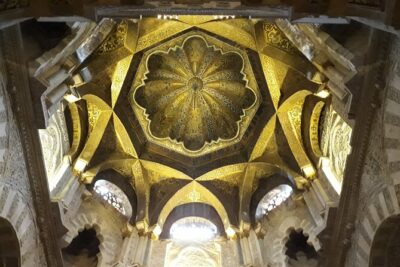
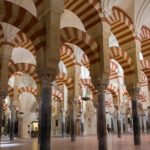
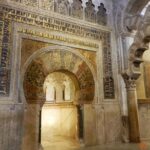
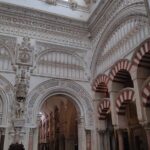
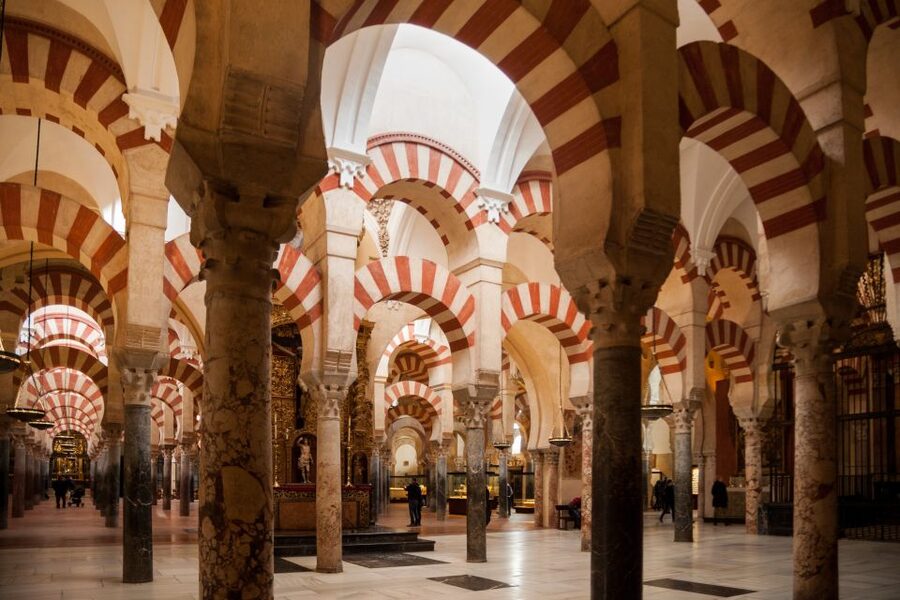
- The interior route: columns, double arcades, and horseshoe arches
- Mosque to cathedral: how the Christian conquest changed the space
- Baroque altarpiece and the mahogany choir stalls
- Audio receivers: why they matter more than you think
- What to do after the tour: time for tapas (and a second look)
- Price and value: is $38 a good deal?
- Who this tour suits best
- Should you book this Mezquita-Cathedral history tour?
- FAQ
- How long is the Córdoba Great Mosque-Cathedral history tour?
- Where do I meet the guide?
- What languages is the tour available in?
- What’s included in the tour price?
- What should I bring, and what should I avoid wearing or carrying?
- Is the Mosque-Cathedral wheelchair accessible?
Key takeaways before you go
- Skip-the-line entry plus your ticket is handled so you start seeing faster.
- Audio receivers help you hear clearly in a big, echoing interior.
- You’re shown the main visual ideas: columns, arcades, and horseshoe arches.
- Islamic mosque to Catholic cathedral is explained in plain terms, not as a vague legend.
- You’ll spot standout details like the Baroque altarpiece and the mahogany choir stalls.
- Your guide can point you toward tapas nearby when you’re finished.
Why the Mezquita-Cathedral rewards a guide (even if you’re confident)
The Great Mosque-Cathedral of Córdoba, often called the Mezquita, can feel like sensory overload if you show up with only photos in your head. Yes, it’s beautiful. But the real magic is the logic behind it: the building evolved over centuries, and different rulers left different “chapters” behind.
That’s where a guide earns their spot. In this tour, you’re not just walking through a museum-like space. You’re moving through a timeline you can literally see—first as an Islamic mosque with its signature forest of columns and rhythmic arches, then as a Catholic cathedral added after the Christian conquest. The guide helps you connect shapes and materials to the history without turning it into a lecture.
Also, this is one of those places where context changes everything. Once you understand why certain sections were built or modified, the repeating arches stop being just pretty patterns. They become a message—about power, faith, and changing tastes over time.
You can also read our reviews of more tours and experiences in Cordoba.
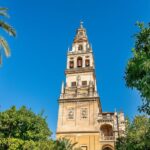
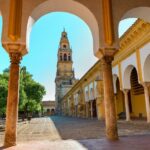
Finding the meeting point: the only olive tree trick
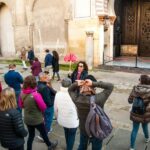
Meet at Fuente de Santa María, near the Patio de los Naranjos (Courtyard of the Orange Trees). The key detail: the meeting point is by the only olive tree there, while the rest are orange trees.
That sounds small, but it matters. If you arrive late, you might miss the start time and you won’t get a refund or tickets for the monuments. So do yourself a favor: get there a few minutes early, and use the tree method. It’s the kind of tip that prevents an unnecessary stress spiral right before one of Andalucía’s top sights.
Skip-the-line entry and how that 1 hour moves
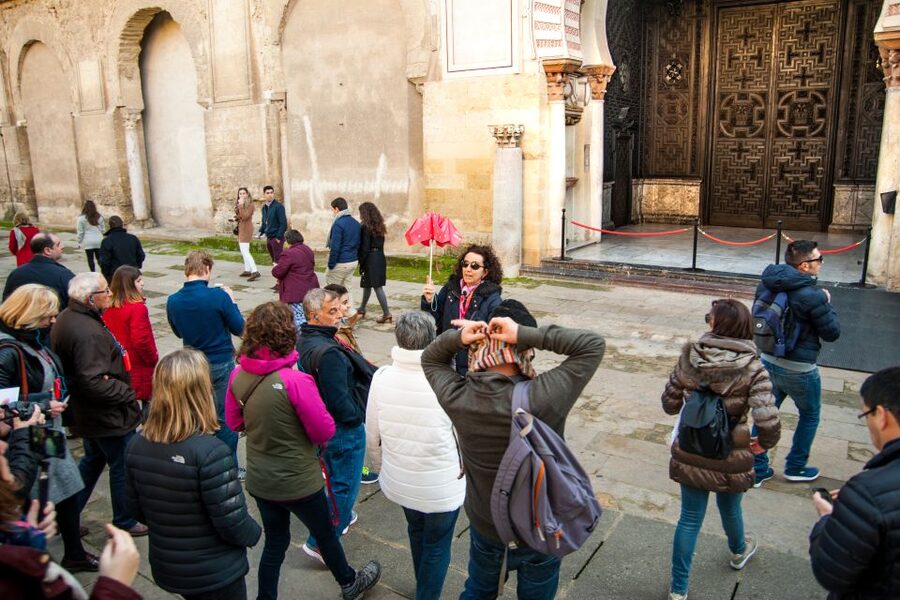
This is a 1-hour guided visit, and it’s structured to hit the core of the building without getting lost. The “skip-the-line” part is practical value, not marketing fluff. The Mezquita can have long queues, and wasting time in line is the quickest way to feel disappointed at the end of your day.
Once inside, the tour pacing is built around seeing the most important features while you still have enough energy to process them. You also get audio receivers, which is a big deal here. The interior is not quiet. If you’ve ever tried to hear a guide while walking under arches, you know how quickly sound can disappear. With the receivers, you can keep your eyes on the architecture instead of scanning for someone’s voice.
One more timing note: the site can have closures during the day and then reopen later. If you’re visiting around midday, it’s worth checking hours in advance so your schedule matches the building’s open time.
The interior route: columns, double arcades, and horseshoe arches
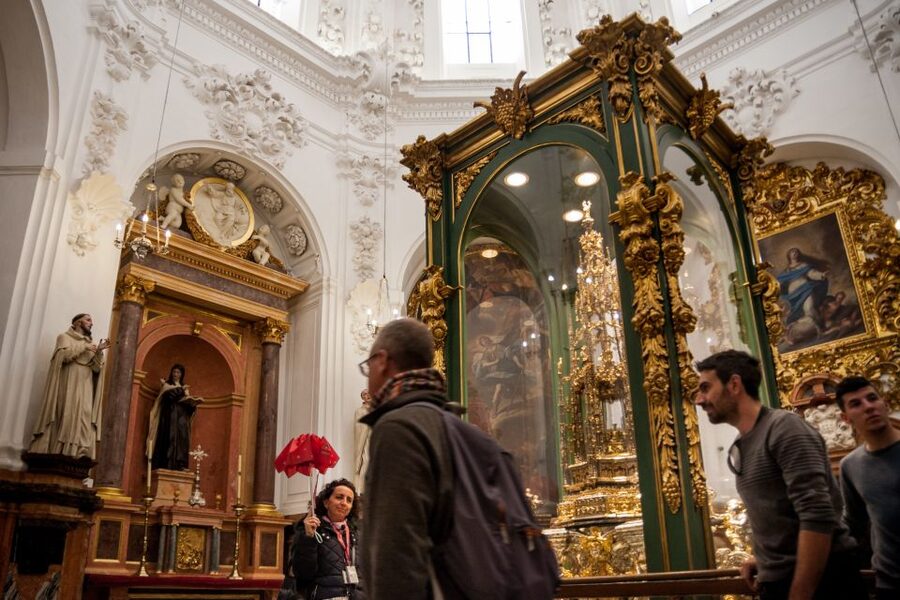
This is the part most people come for, and the tour keeps you focused on what those elements mean.
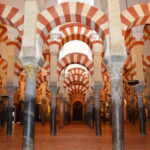
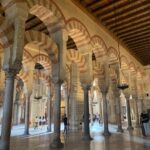
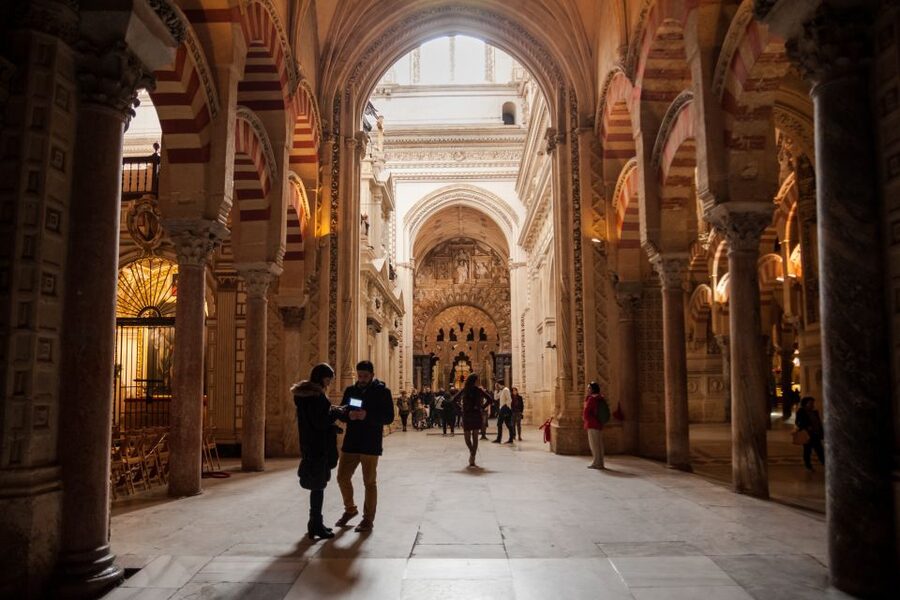
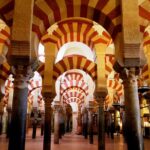
You’ll explore a kind of architectural labyrinth:
- a forest of columns
- double arcades that create layered depth
- horseshoe arches that repeat with hypnotic rhythm
Here’s the practical value of doing it with a guide: you learn what to look for in each “zone.” Without guidance, you might notice the arches and then move on to the next photo angle. With guidance, you start to see how the architecture guides your movement—how the repeating forms create a sense of order, and how that order changes as the building shifts from one era to another.
And because you’re there as part of a short route, you avoid the common mistake of spending too long chasing one perfect corner while missing other highlights.
Mosque to cathedral: how the Christian conquest changed the space
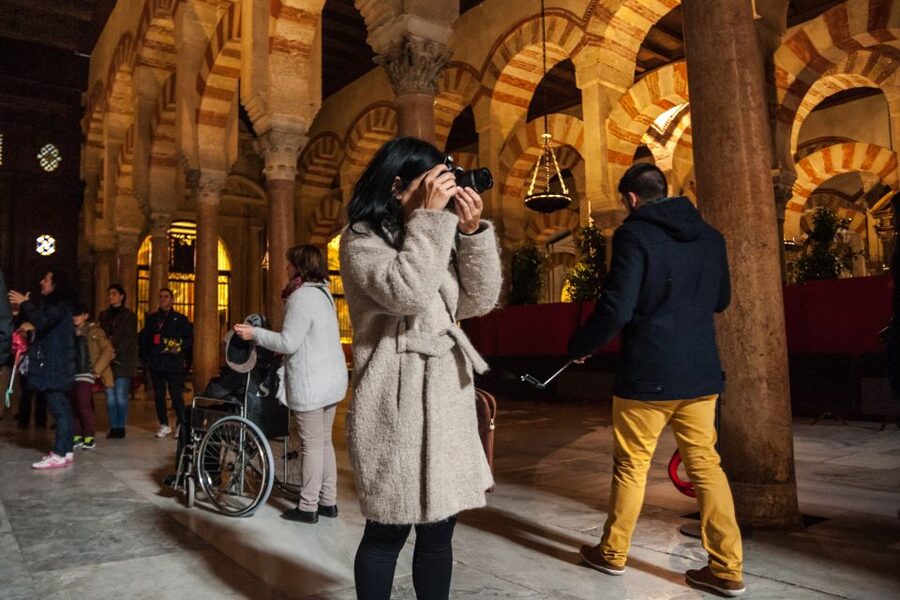
The biggest story your guide explains is how the building transitioned from Islamic mosque to Christian cathedral after the conquest of Córdoba. This isn’t presented as one dramatic break. It’s shown as a sequence of changes across centuries—so you can understand why the site looks the way it does.
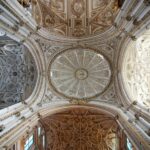
The key idea is that the cathedral was built inside the existing mosque. That single fact changes the entire feel of the visit. You’re not looking at two separate monuments side-by-side. You’re standing inside the same physical shell while layers of belief and art coexist.
As you move through the interior, the tour points out the contrast in design languages—what belongs to the mosque’s visual system and what was later added for the cathedral’s liturgical needs. It helps you see the building as a historical argument made in stone and wood.
Baroque altarpiece and the mahogany choir stalls
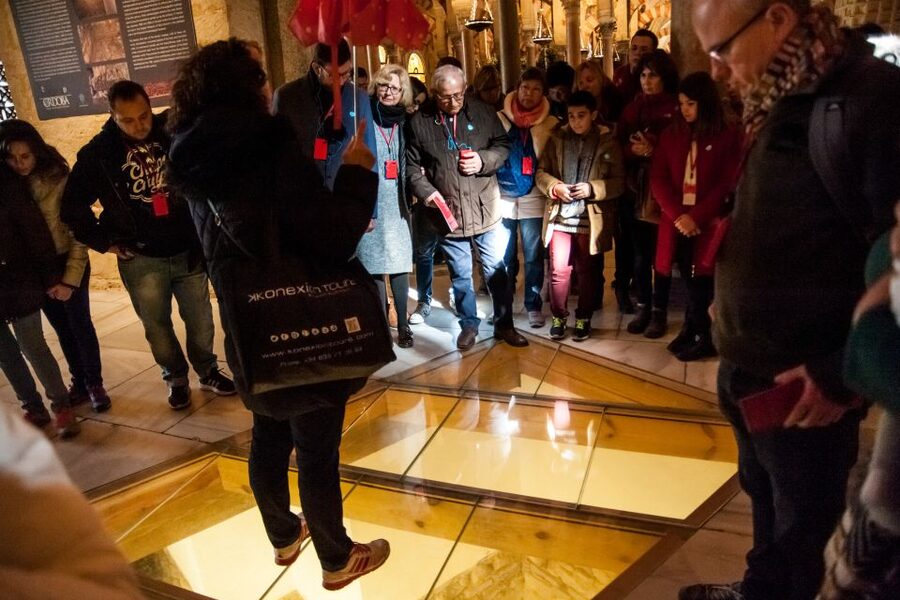
The tour doesn’t stop at big-picture explanation. It also steers you toward specific highlights that help you understand the cathedral era.
Two that you’ll want to clock with your own eyes:
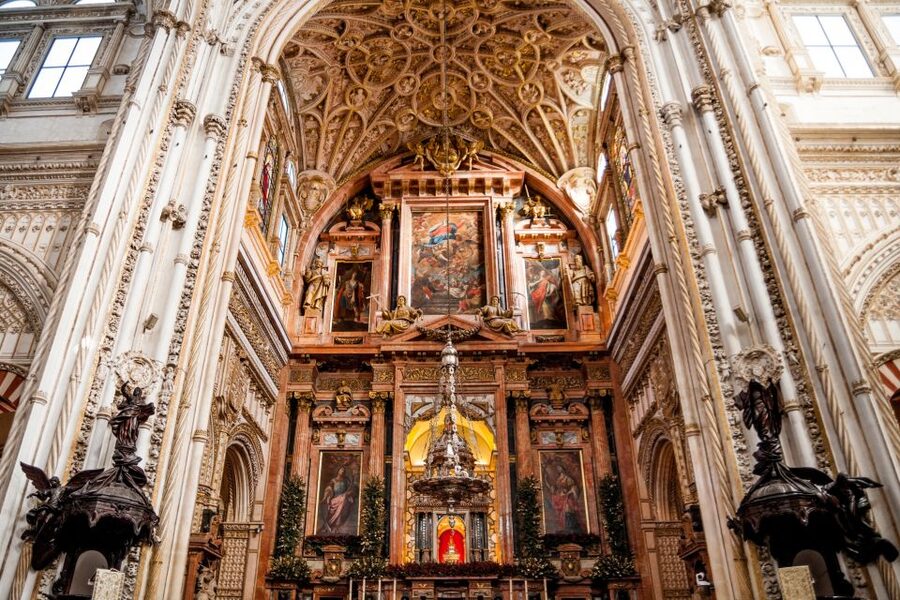
- the Baroque altarpiece
- the mahogany choir stalls
Even if Baroque isn’t your usual style, this is worth attention because it’s not placed in an abstract context. It sits inside a space originally shaped by Islamic architectural priorities. So the effect is more than decorative. It’s a visible statement of how later Christianity claimed the interior and reshaped the atmosphere.
If you’re the type who likes to understand art in terms of purpose, this moment is a good lesson. The guide helps connect form to function—how the cathedral elements work within a mosque’s shell.
Audio receivers: why they matter more than you think
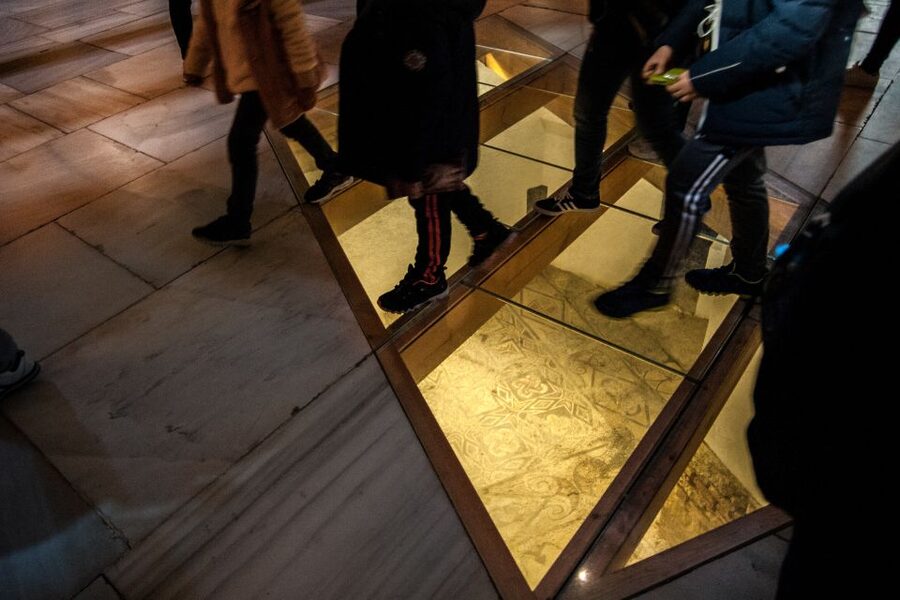
Audio receivers are included on this tour, and they genuinely improve the experience. The guide’s narration covers a lot of ground in a short time—history, religious context, architectural features, and how one era modified another.
Without receivers, you’d have to constantly pause, turn, and guess what you’re missing. With them, you can keep walking at a steady pace. You also get flexibility: if you zone out for 30 seconds because a specific arch catches your eye, you can still pick up what matters next when the guide continues.
What to do after the tour: time for tapas (and a second look)
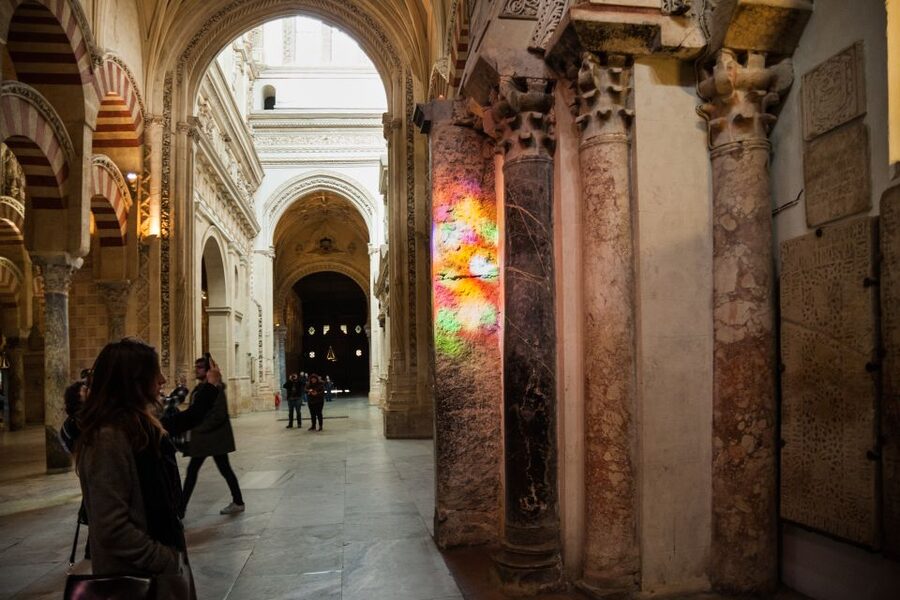
At the end, your guide helps you find a good local restaurant or tavern for authentic Andalusian tapas. That tip is more useful than it sounds. Córdoba has tourist-friendly spots, but tapas quality varies a lot block to block. A recommendation right after your tour can steer you toward a place where you can eat without turning your entire afternoon into a guessing game.
Also, remember you have the option to linger after the tour. Many people feel like they understand the Mezquita better after the guided route, but the building still rewards a slower return. If you have time, come back to one area and look again with fresh context.
Price and value: is $38 a good deal?
At about $38 per person for a 1-hour guided visit, the price is really about what’s bundled in. You’re paying for:
- a local qualified guide
- skip-the-ticket line entry convenience
- the entrance fee
- audio receivers
- VAT
If you were to do this on your own, you’d likely spend time figuring out what to notice and how the mosque-cathedral transformation works. Here, you’re buying time and clarity. For a top-tier sight like the Mezquita, that clarity often saves you from leaving feeling like you only scratched the surface.
That said, if your travel style is fully self-directed—meaning you love reading and wandering without stopping for guided interpretation—then the value depends on your interest in history. If you prefer to look first and learn later, you might prefer a self-paced visit with audio or guidebook. But if you want the site to make sense fast, this is a practical deal.
Who this tour suits best
This tour is a strong match for you if:
- you want the Mezquita’s mosque-to-cathedral story explained clearly
- you like architecture but don’t want to guess what each feature represents
- you’d rather pay for guidance than spend mental energy decoding on the spot
- you’re short on time in Córdoba and want the highlights covered in an organized way
It’s less ideal if:
- you need long free time inside (this is one hour)
- you hate being on a fixed route
- you can’t meet timing requirements (arrive on time, or you risk missing the start)
Should you book this Mezquita-Cathedral history tour?
If Córdoba is on your Spain list and the Mezquita is a must-stop, I’d book this. The mix of skip-the-line entry, audio receivers, and a focused guided route makes it a high-efficiency way to understand what you’re seeing. In a building this complicated, clarity is the real souvenir.
Just plan for the one constraint: it’s fast. If you want both guided context and slow wandering, do the tour first and then give yourself extra time afterward. And on arrival day, use the only olive tree meeting point method so you don’t start your visit stressed.
FAQ
How long is the Córdoba Great Mosque-Cathedral history tour?
The tour lasts 1 hour.
Where do I meet the guide?
Go to the olive tree (the only one; the rest are orange trees) near the Santa María Fountain in the Patio de los Naranjos, Mezquita de Córdoba.
What languages is the tour available in?
The live tour guide is available in Spanish, French, and English.
What’s included in the tour price?
It includes a local qualified guide, audio receivers, the Mosque-Cathedral entrance fee, and VAT.
What should I bring, and what should I avoid wearing or carrying?
Bring passport or ID card, comfortable shoes, water, and comfortable clothes. Large bags or luggage are not allowed, and sleeveless shirts are not allowed.
Is the Mosque-Cathedral wheelchair accessible?
Yes, the activity is listed as wheelchair accessible.