REVIEW · CORDOBA
Cordoba Mosque & Jewish Quarter Tour with Tickets
Book on GetYourGuide →Operated by OWAY Tours · Bookable on GetYourGuide
Cordoba’s Mosque-Cathedral hits you fast. This tour pairs skip-the-line tickets with a focused walk through the Judería (Jewish Quarter), so you get the story behind the arches and streets instead of just photos. My favorite parts are the guided routing that keeps things moving and the way the guide ties the mosque’s big design moments (Maqsura, Mihrab, double arches) to Cordoba’s real timeline; the only caution is that mosque acoustics and audio gear can make listening tricky in a few spots.
You’ll spend about 75 minutes inside the Mosque-Cathedral of Cordoba and roughly an hour walking the Jewish Quarter nearby. Guides get praised for clear English and strong pacing, with names like José, Monica, Azahara, Gloria, and Cristina showing up repeatedly in the feedback. If you’re the type who needs perfect audio, be aware some people reported microphone or receiver issues once you’re deep inside the monument.
At around $40 per person for 2.5 hours—including a professional guide plus ticket help—this is a good value for a first-time visit. You do have to show up on your own for the meeting point, so plan your walk from wherever you’re staying. If you’re trying to pack Cordoba highlights into one efficient block, this one earns its keep.
In This Review
- Key things to know before you go
- Mosque-Cathedral of Córdoba and the Judería: why this pairing works
- Before you start: tickets, meeting points, and what’s included
- Stop 1: Judería de Córdoba walk (about 1 hour)
- Note about synagogue access
- Stop 2: Mosque-Cathedral of Córdoba (about 75 minutes)
- A real-world tip: listen with position in mind
- Comfort note for hot days
- What the history lessons actually do for you (not just facts)
- Photo stops and pacing: how the 2.5 hours feels
- Value check: is $40 a fair deal?
- Guide quality: what to look for on the day
- Who should book this tour (and who might not love it)
- Quick FAQ for your planning
- FAQ
- How long is the Cordoba Mosque & Jewish Quarter tour?
- What is the price per person?
- What’s included in the tour price?
- What’s not included?
- Where do we meet and where do we end?
- What languages are available for the live guide?
- Is there a synagogue visit?
- What should I bring?
- Are pets allowed?
- Should you book it?
Key things to know before you go
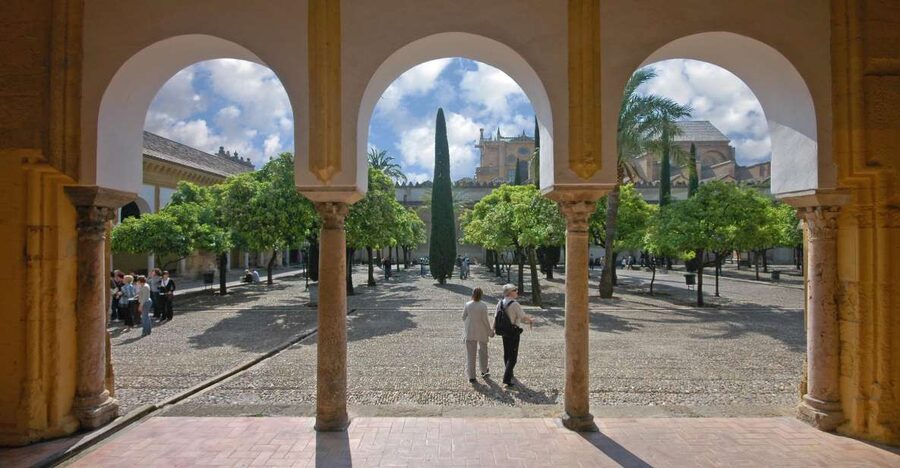
- Skip-the-line ticket help: you’re aimed straight at the easiest route to get your entry sorted.
- Two guided blocks: about 1 hour in the Judería, then about 75 minutes in the Mosque-Cathedral.
- Design tour, not just sightseeing: you’ll get pointed to the Maqsura and Mihrab so your eyes know where to land.
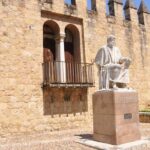
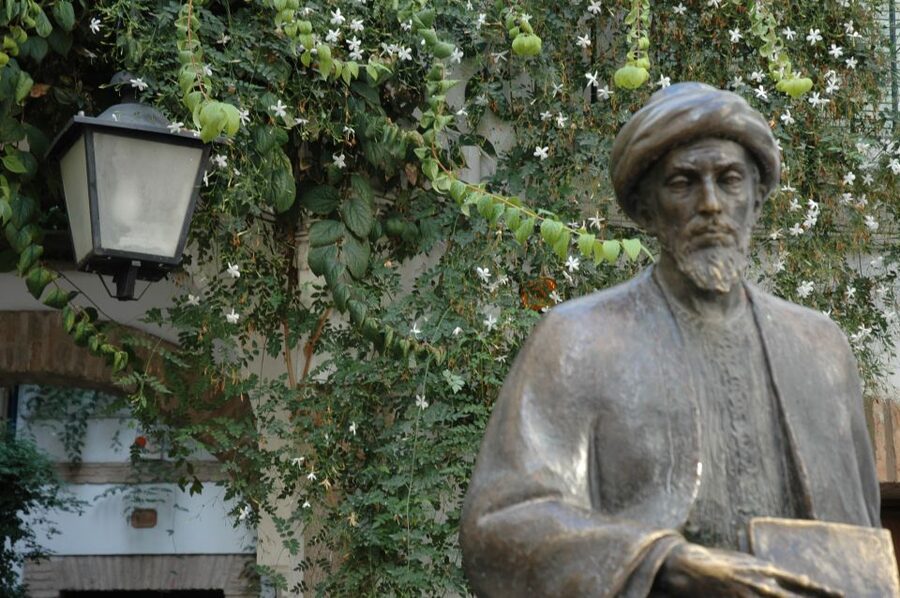
- Jewish Quarter highlights on foot: Jewish Street, the Arabic market (Zoco), and the bronze statue of Maimonides.
- Small logistics notes matter: the synagogue portion is limited on Mondays and in evenings during mid-summer.
Mosque-Cathedral of Córdoba and the Judería: why this pairing works
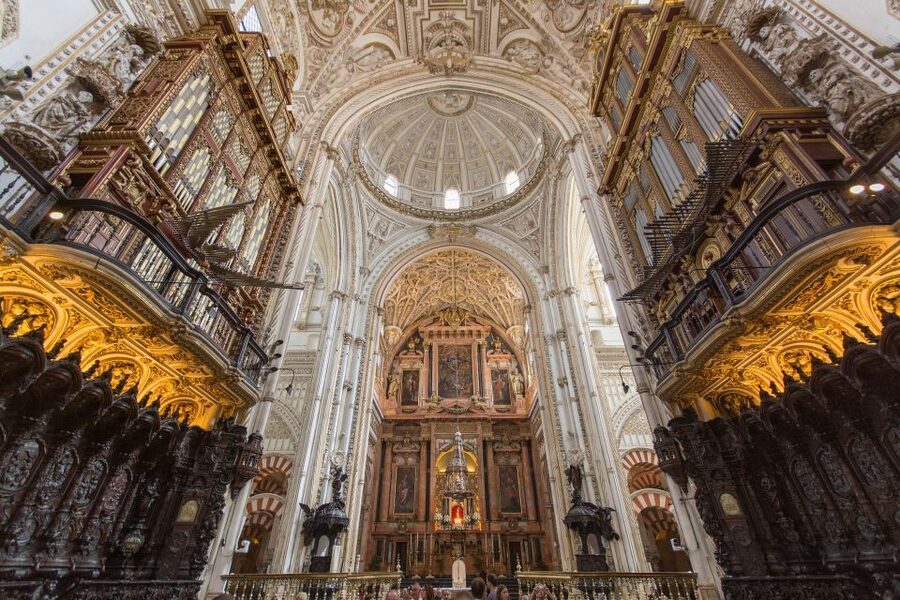
Cordoba is one of those cities where the past doesn’t sit quietly in museums. It’s built into daily life—especially around the Mosque-Cathedral and the maze of streets around it. This tour works because it links two worlds that are physically close but historically linked: the grand mosque space and the neighborhood that formed around communities living under its shadow.
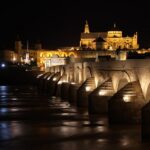
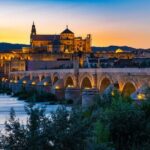
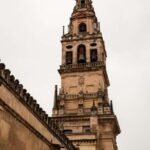
The Mosque-Cathedral isn’t a single-style monument. It started as a major mosque in the 8th century, grew into one of the world’s largest mosques, and later became a Catholic cathedral in the 13th century. When you learn what you’re looking at—columns, double arches, and key ceremonial points—you stop treating it like a pretty interior and start understanding why it was built that way.
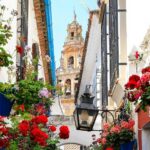
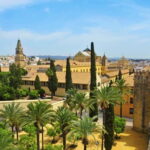
Then you walk out into the Judería area. The streets, the market atmosphere of the Zoco, and the symbolism of landmarks like the Maimonides statue give you a human-scale view of the city’s layered history. It’s not only architecture; it’s place.
You can also read our reviews of more tours and experiences in Cordoba.
Before you start: tickets, meeting points, and what’s included
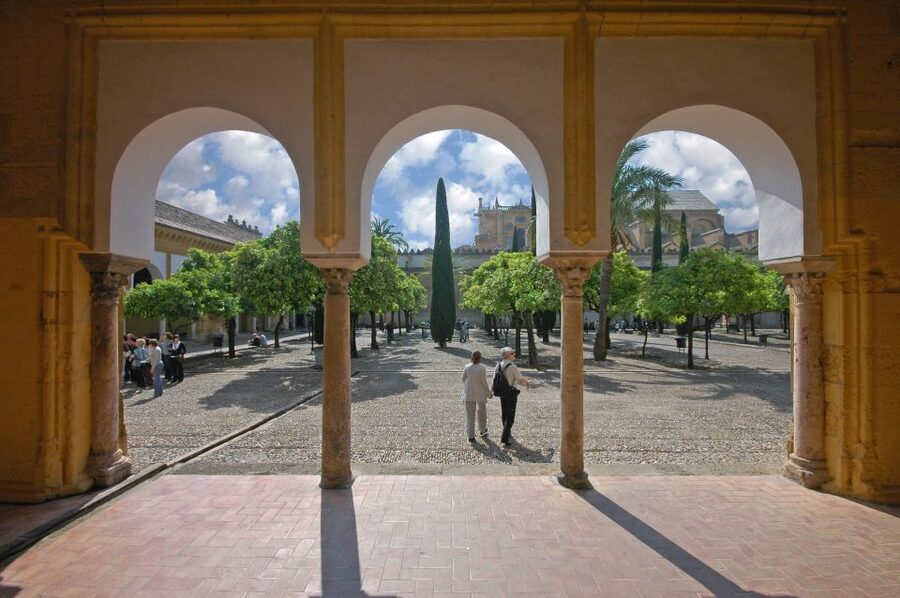
This experience includes a professional live guide and ticket handling that helps you skip the queue at the box office. You also get an audio-guide reinforcement if you need it, which can be useful inside the monument when your guide is moving you along on a schedule.
The walking tour is about 2.5 hours, with the guide leading you through the Judería first and then into the Mosque-Cathedral. Meeting point details can vary by the option you pick, and drop-offs can also vary—one listed drop-off is the Seneca Cafe, with another drop-off at the Mezquita-Catedral de Córdoba.
What’s not included is transportation to the meeting spot. Cordoba’s center is walkable, but don’t count on this tour to solve your get-there problem. If you’re staying outside the core, add time for getting back afterward, too.
Stop 1: Judería de Córdoba walk (about 1 hour)
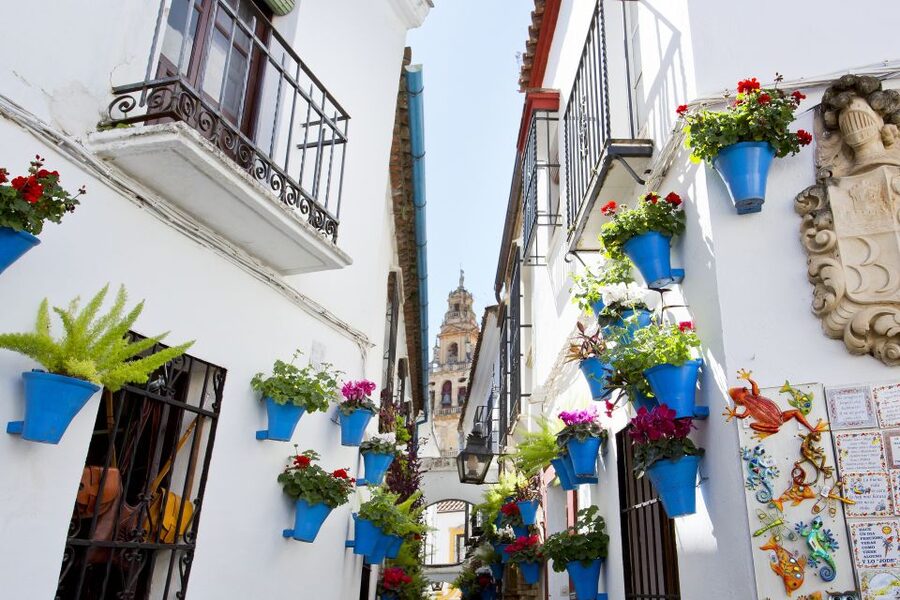
The Judería section is a smart warm-up. You start near the Mosque-Cathedral area, so the tour builds momentum right away without you needing to sprint across town.
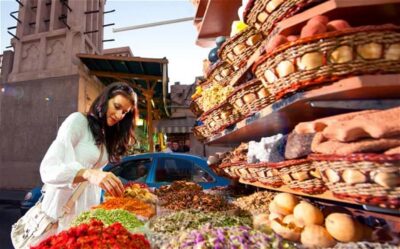
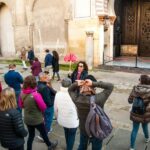
This part is focused on names and places you can recognize afterward. You’ll see Jewish Street, the Arabic market area known as the Zoco, and the bronze statue of Maimonides. Each stop is a clue for how different cultural and religious influences shaped daily life in Cordoba.
The time goal here is clarity. About an hour gives enough room for orientation—where the streets lead, what changed over time, and what the landmarks are signaling—without turning the walk into a long endurance test. If you like to take photos, you’ll get chances, but you still have to keep up with the group pace.
Note about synagogue access
One practical limitation to plan around: the synagogue is closed every Monday year-round. It’s also closed in the evenings from 15 June to 15 September. If your main interest is synagogue space specifically, check your day and timing. Even if the synagogue is closed, the Jewish Quarter walk still covers major highlights like the Zoco area and Maimonides.
Stop 2: Mosque-Cathedral of Córdoba (about 75 minutes)
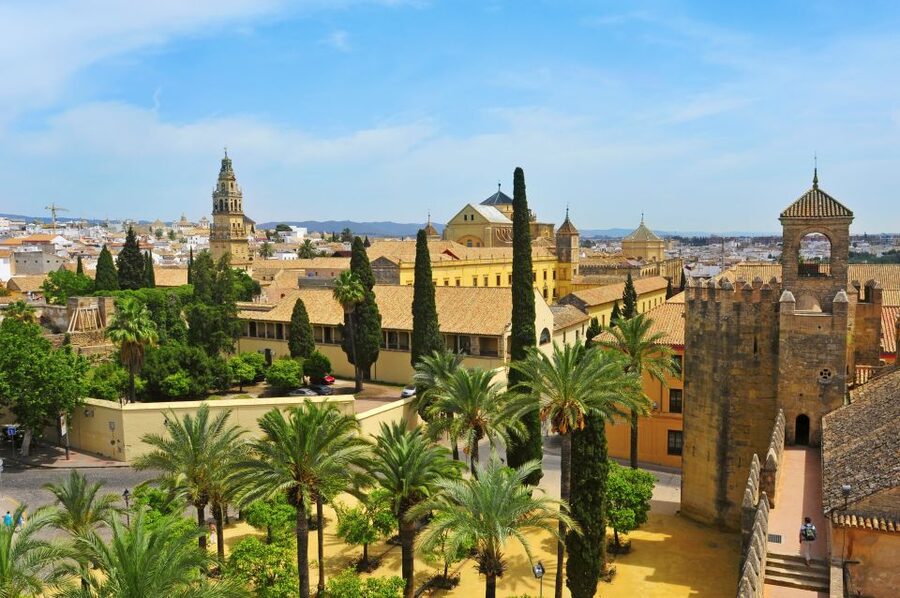
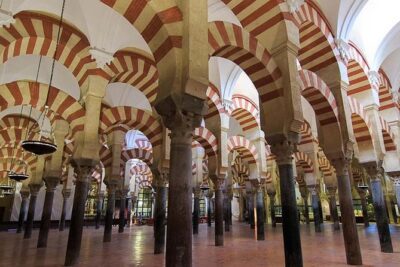
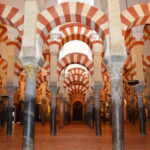
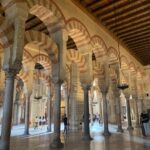
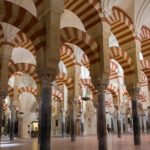
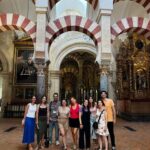
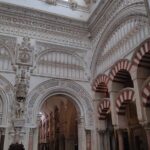
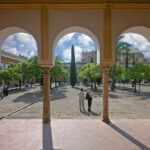
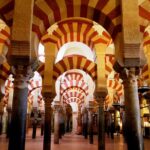
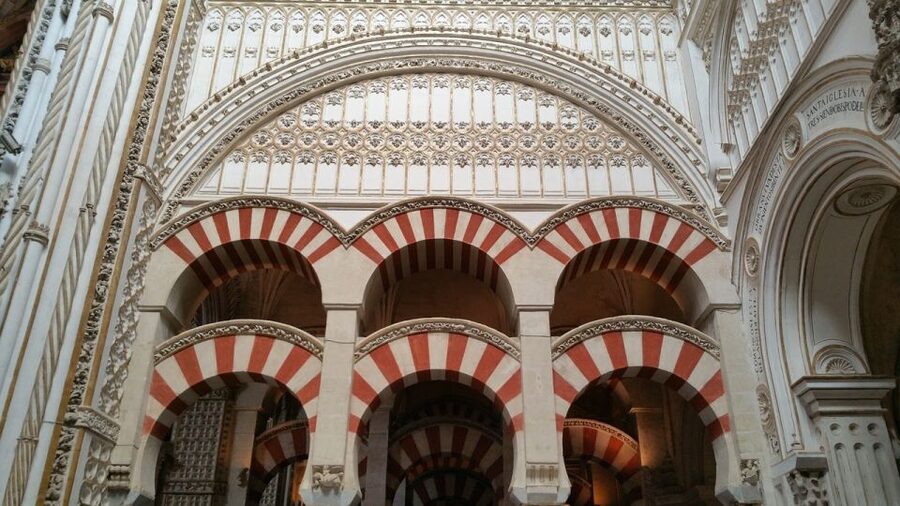
This is the star. And the best way to experience it is with your eyes guided. The guide points out the interior features that make the monument feel like a “forest” of columns—plus double arches that guide you deeper rather than letting you wander randomly.
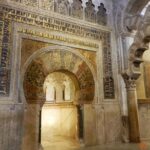
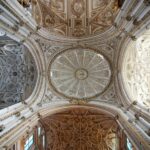
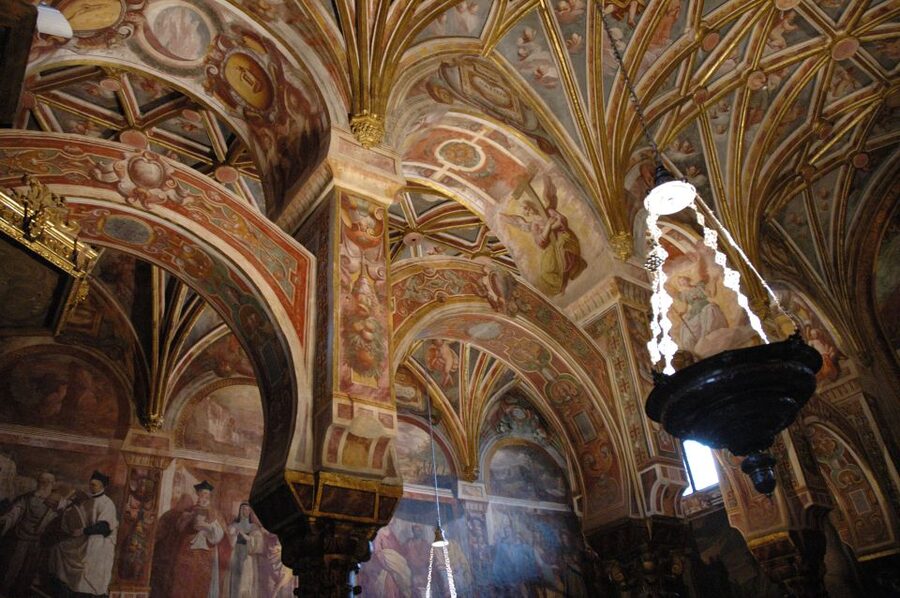
You’ll also hear about the ceremonial architecture: the Maqsura and the Mihrab are key anchors. If you don’t know what you’re looking at, these places can blur into the background. With a guide, they become signposts that help you connect scale and intention.
You’ll also learn about the transition from mosque to cathedral. In the 13th century, under Ferdinand III, the mosque was converted into a Catholic cathedral. That change is part of why the building feels both coherent and surprising at the same time. You’re not only seeing “a mosque with later additions.” You’re seeing how power, faith, and art changed hands on a major site.
A real-world tip: listen with position in mind
Inside the Mosque-Cathedral, acoustics can be tricky. Some people reported that hearing the guide could depend on how close you are to the microphone or how the guide projects sound in the space. If audio clarity matters to you, aim to stand where you can hear easily, especially during the interior explanations. If you’re farther back, don’t be afraid to adjust a bit—just stay respectful of other visitors.
Comfort note for hot days
Cordoba can cook you in summer. One helpful detail from the experience: a big chunk of your time in the mosque is indoors, so you often get a break from the heat while still sightseeing the most famous space in town.
What the history lessons actually do for you (not just facts)
It’s easy to “learn facts” on a tour and forget them five minutes later. What makes this one worth your time is that the history points directly to visual cues.
When you understand the mosque’s 8th-century beginnings and its status as a major-world-scale mosque, the sheer density of columns makes sense. The building stops being decorative busy-ness and becomes a planned experience—movement, rhythm, and direction.
And when the tour connects that story to the later 13th-century conversion into a cathedral, you start noticing what changed and what stayed. The architecture becomes a timeline you can read with your feet and your eyes.
In other words, the guide doesn’t just talk at you. The guide points you to the parts that answer your questions while you’re standing there.
Photo stops and pacing: how the 2.5 hours feels
This tour doesn’t try to cover everything in Cordoba. It concentrates on the places that define the city: the Mosque-Cathedral and the Jewish Quarter core.
Because the schedule is tight—Jewish Quarter first, then the main monument—you’ll feel the day move. Many people love the pacing and call it an easy march rather than a slog. That said, you should expect some walking on uneven old-street surfaces in the Judería.
Photo lovers should be okay. You’ll get moments to take pictures in both areas, but don’t plan on endless roaming. If you want the best photos, stand where the guide isn’t blocking sightlines, then use the short pauses to shoot.
Value check: is $40 a fair deal?
For $40 per person, you’re paying for three big things: a professional guide, help with tickets that reduces waiting, and a structured route that saves time. In a place like Cordoba—where the Mosque-Cathedral is one of Spain’s most visited monuments—time is part of the cost.
If you were doing this on your own, you’d likely spend time managing entry lines and figuring out what to focus on inside. Paying for a guide helps you get that “what you’re seeing” answer fast, especially for the Maqsura and Mihrab moments where visual cues matter.
The only catch is that transportation to the meeting point isn’t included. That’s normal for city walking tours, but it can change your real cost if you’re coming from far away.
Guide quality: what to look for on the day
You’ll likely have a guide who keeps things structured and speaks clearly. Names like José, Monica, Azahara, Gloria, and Cristina come up repeatedly for strong English, humor, and explanations that help you understand what you’re viewing.
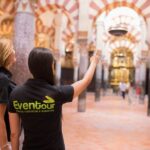
Still, be prepared for one real issue: audio. A few participants mentioned that the receiver system sometimes crackled or had connection trouble, and one noted that the guide needed to speak directly into the microphone so everyone could hear. This doesn’t ruin the tour, but it can affect how much you catch inside the monument.
Your best strategy: listen closely at the key stop points, and don’t rely only on audio for context. If you look at what the guide is pointing out, you’ll pick up the meaning even if a sentence gets lost.
Who should book this tour (and who might not love it)
Book it if:
- You’re seeing Cordoba for the first time and want the two main historical anchors in one outing.
- You like guided context for big monuments, especially for understanding specific areas like the Maqsura and Mihrab.
- You want to reduce line time and get into the Mosque-Cathedral efficiently.
Skip it or consider a different format if:
- You specifically want synagogue interior access. Monday closures and mid-summer evening closures can limit that.
- You need consistently perfect audio everywhere. Acoustics and audio systems can be a weak spot depending on positioning.
If you’re the type who reads the city while walking—street names, neighborhood meaning, and architectural details—this is a strong fit.
Quick FAQ for your planning
FAQ
How long is the Cordoba Mosque & Jewish Quarter tour?
The total duration is 2.5 hours.
What is the price per person?
It’s $40 per person.
What’s included in the tour price?
You get a professional live guide, audio-guide reinforcement if needed, a walking tour, and skip-the-queue help at the box office to get your tickets.
What’s not included?
Transportation to the meeting point is not included.
Where do we meet and where do we end?
The meeting point may vary depending on the option booked, and there are two listed drop-off options: Seneca Cafe and Mezquita-Catedral de Córdoba.
What languages are available for the live guide?
The live tour guide is available in Spanish and English.
Is there a synagogue visit?
The synagogue has access limits: it is closed every Monday year-round, and it is closed in the evenings from 15 June to 15 September.
What should I bring?
Bring a passport or ID card.
Are pets allowed?
No, pets are not allowed, and oversize luggage is also not allowed.
Should you book it?
If you want the best value way to see Cordoba’s top sights without wasting time, I’d book this. The money goes toward the guide and the ticket-line shortcut, and the structure keeps you focused on the parts that actually explain the city—columns and double arches inside, then Jewish Street, the Zoco, and Maimonides outside.
Just plan your day with the synagogue closures in mind, and be ready to stand where you can hear the guide best inside the mosque.