REVIEW · CORDOBA
Guided visit to the Mosque of Cordoba and Alcazar of Cordoba
Book on GetYourGuide →Operated by ARTENCORDOBA · Bookable on GetYourGuide
A timeline of faith and power in 3 hours. This guided visit links the Mosque-Cathedral of Córdoba (UNESCO) with the Alcázar of the Christian Kings, using a historian’s explanation to turn big names and dates into something you can actually see. I love that the guide walks you through construction stages, including the surviving Visigothic Basilica of San Vicente and the later Christian transformation, and I love that the Alcázar is framed as a real witness to shifting rulers, from the Catholic Monarchs to inquisitorial use. One drawback to consider: this is a short format, so if you prefer a slower pace or you want to start from zero on Spanish history, the flow may feel fast.
You’ll be moving between two of Córdoba’s most important monuments, but the tour is designed to connect the dots: how one site evolved after each political and religious change, and how another was repeatedly reused for authority, imprisonment, and royal ceremony. The “historian-led” angle matters here, because the point is not just viewing buildings—it’s understanding why they look the way they do after each new chapter. The experience is best when you’re ready to listen closely during a packed window.
The tour runs in Spanish, English, or French, with tickets included for the monuments and audio support when groups are larger than 10 people. That’s a practical win: you’re not spending your time figuring out entry lines or scrambling for translations mid-stop. Just know that with only 3 hours total, you’ll likely get the story’s key scenes, not a long, unhurried exploration.
In This Review
- Key highlights you’ll actually feel on this tour
- The Mosque-Cathedral of Córdoba: a building that keeps changing
- How the guide turns dates into something you can spot
- Inside the Mosque visit: what to watch for while you listen
- Alcázar of the Christian Kings: rulers, courts, and prisons behind the walls
- A heads-up on pace at the Alcázar stop
- Timing and meeting points: how the tour day is structured
- Value for money: what you’re paying for
- Who should book this Mosque and Alcázar combination
- Should you book? My practical call
- FAQ
- How long is the Mosque of Córdoba and Alcázar of Córdoba guided visit?
- Which languages are available?
- Are tickets included in the tour price?
- Will I get audio during the tour?
- Where do I meet for the tour?
- Can I cancel and get a refund?
Key highlights you’ll actually feel on this tour
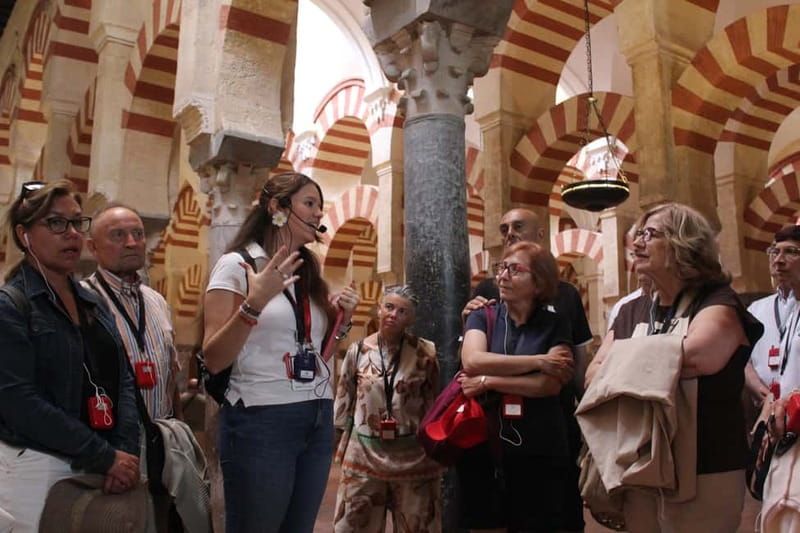
- Historian-led storytelling that links the Mosque’s construction phases to later Christian reuse
- UNESCO Mosque-Cathedral viewing through a chronological lens, not a vague overview
- Alcázar as a power center, including Catholic Monarchs’ residence and inquisitorial headquarters
- Garden time paired with a story tied to Christopher Columbus’ first royal reception
- Tickets included, so you can focus on the visit instead of logistics
- Audio devices if needed for larger groups (more than 10 people)
The Mosque-Cathedral of Córdoba: a building that keeps changing
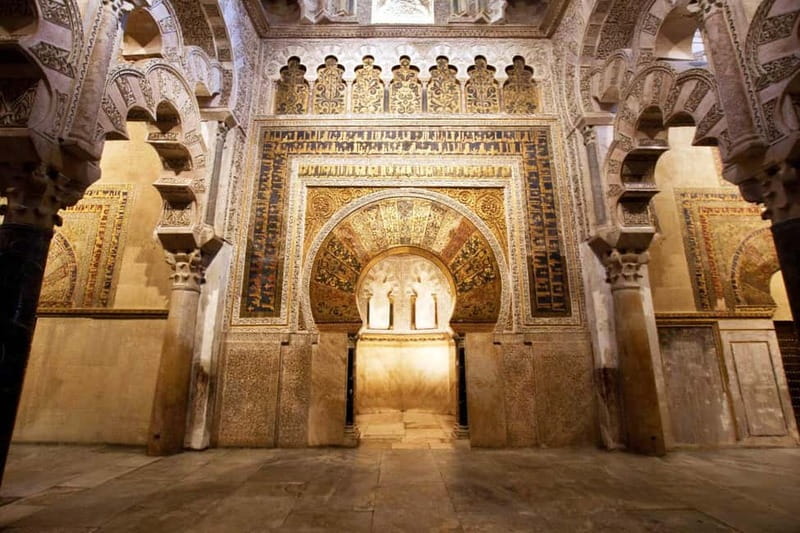
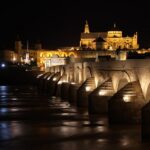
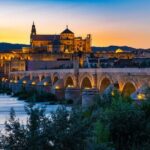
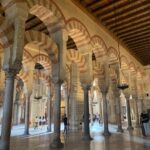
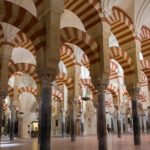
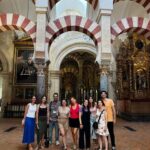
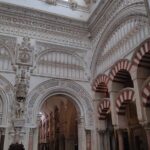
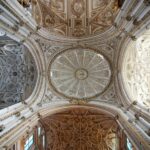
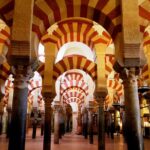
If you want one monument in Córdoba that feels like history written in walls, the Mosque-Cathedral is it. The tour keeps you anchored to the idea of a living temple—one that has witnessed major events across very different eras. Instead of treating it like a single, finished “attraction,” you get a guided sequence of what came first, what was added later, and what changed after the reconquest.
The explanation starts with the earliest layer mentioned in the visit: the ancient Visigothic Basilica of San Vicente. What’s useful for you here is that the guide doesn’t just toss the name out as trivia. You’re shown that remains of this earlier basilica still exist, which helps you understand this is not one uninterrupted rebuild. It’s an overlap of eras, with physical traces you can look for while the story is being told.
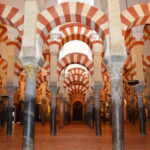
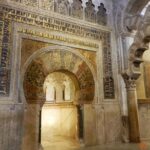
Next comes the Primitive Mosque built by Emir Abderramán I. From there, the tour follows the successive extensions of the mosque up until the time of Almanzor. This part is valuable because it gives you a framework for the scale of the changes—so when you’re inside, you’re not just staring at impressive space. You’re mentally placing it into a sequence: early foundation, later expansions, then a major turning point.
The big shift arrives after the Christian reconquest. The guide explains that the Mosque became a Cathedral, occupying several naves of the extension of Caliph al-Hakam II for liturgical celebrations. Then you continue into how the cathedral area you see today developed further, with later construction shaping the space for Christian worship. You end up understanding the monument as a layered negotiation between old architecture and new religious use.
You can also read our reviews of more tours and experiences in Cordoba.
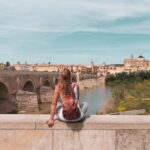
How the guide turns dates into something you can spot
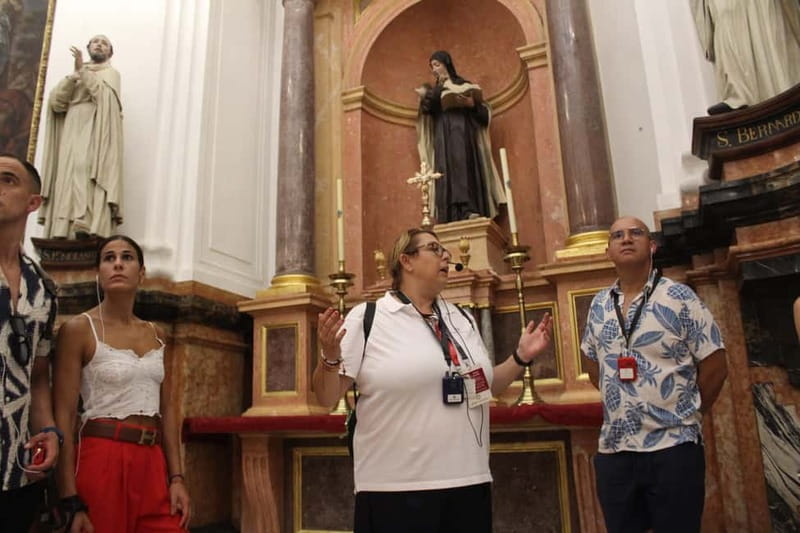
A lot of tours give you names. This one works better when you catch the structure of the explanation: early site (Visigoths), then Islamic mosque expansion (Abderramán I through Almanzor), then Christian reuse after reconquest, and later cathedral modifications. You’ll hear those transitions as stages, which makes it easier to make sense of what you’re looking at.
I especially like the way this tour treats the Mosque-Cathedral as an evolving space rather than a frozen snapshot. That means your takeaway is not only what happened, but what changed physically as each power arrived. You learn why the building is world-famous: it’s not one style in one era—it’s many chapters layered together.
You’ll also get a living-temple perspective. That’s not just poetic framing. It’s a reminder that even when the political labels flip, the site keeps functioning as a place for worship and public meaning. If you enjoy causality—how one historical decision forces an architectural consequence—this approach will click.
If it doesn’t click, the risk is timing and pace. In a short circuit, you may feel the guide keeps moving through the story. If you’re not already comfortable with the timeline of Spain, you’ll want to keep your listening focused and not expect the guide to slow down at every question.
Inside the Mosque visit: what to watch for while you listen
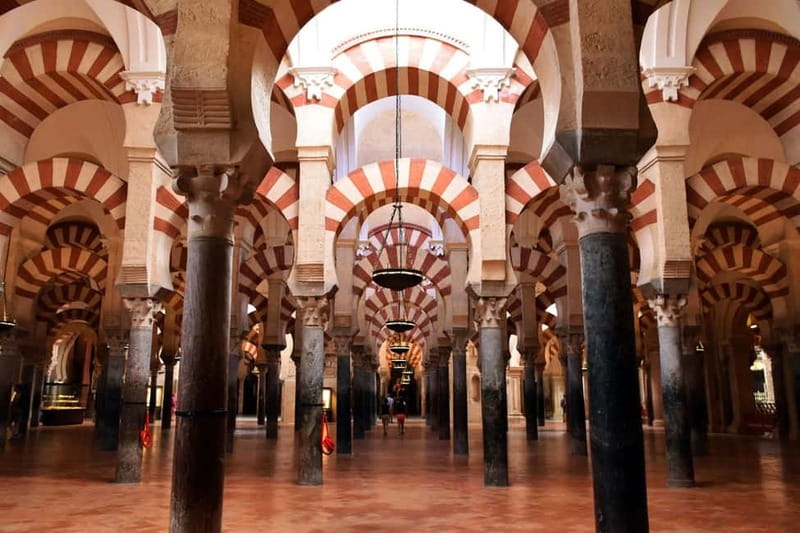
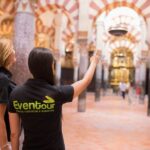
This part is not just a “walk and look.” It’s a guided visit dedicated to Córdoba’s flagship monument, with the story told in construction stages. That means you’ll want to watch for the specific named layers the guide highlights—because those are your anchors.
Here are the key anchors you can listen for as you move:
- San Vicente remains: the early Visigothic layer that still survives
- Primitive Mosque under Abderramán I: the starting Islamic phase in the explanation
- Extensions up to Almanzor: how the mosque grew over time
- Cathedral conversion after reconquest: the moment the function changes
- Caliph al-Hakam II’s extension used for Christian worship: where the guide ties the overlap together
If you do that, you’ll leave with the sense that you understood the monument’s logic, not just its surface. That’s the real payoff of a historian-led format: you get a mental map for the place.
Alcázar of the Christian Kings: rulers, courts, and prisons behind the walls
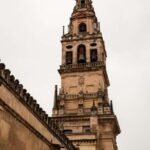
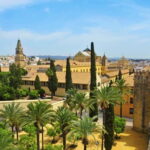
After the Mosque-Cathedral, the tour shifts to the Alcázar of the Christian Kings. This stop is framed as a witness to historical events, which is exactly what you want in Córdoba. You’re moving from a monument of evolving religious meaning to one tied to royal authority, detention, and political power.
The highlights here are specific and dramatic:
- The Alcázar served as the home of the Catholic Monarchs for more than 8 years
- It was also the headquarters of the Inquisition
- It included a prison, meaning the building wasn’t only ceremonial—it was used for control
This mix matters. A lot of castle-like sites feel like stone stages. This one is presented as a machine of power: living quarters for monarchs, and later an administrative space connected to persecution and confinement. That doesn’t make it more enjoyable in a superficial way—it makes it more understandable, because you see how authority works through both pageantry and punishment.
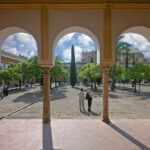
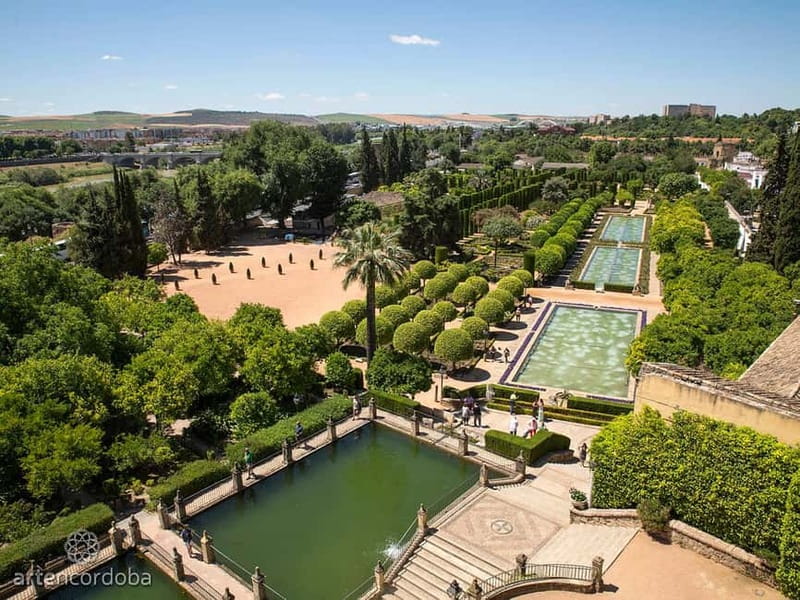
Then you get a calmer counterpoint: the famous gardens next to the monument. The tour connects those gardens with the first royal reception to Christopher Columbus, which gives you a concrete story hook for the outdoor space. Even if you only have minutes, that garden stop becomes more than a break. It becomes part of the same historical narrative—royal ceremony and exploration-era symbolism placed right next to the power center.
A heads-up on pace at the Alcázar stop
This is where you should manage expectations. Because the overall experience is about 3 hours for two major sites, you won’t get a slow, museum-like wandering pace. You’re there for guided context that helps you connect what you see to what the building was used for.
That can be great if you like a strong storyline and you’re okay with moving on when the guide moves on. But if you prefer to pause, regroup, and ask questions in depth, keep an eye on your own rhythm. If the narration feels like it’s running ahead, it doesn’t mean the tour is wrong—it means you might need to concentrate harder or choose a different format later.
The best strategy: listen for the big named anchors the guide gives you (Catholic Monarchs residence, inquisitorial headquarters, prison, and Columbus reception). If you can hold those in your head, the building becomes easier to follow even in a shorter visit.
Timing and meeting points: how the tour day is structured
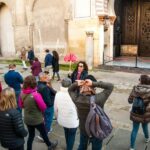
This tour is organized around fixed meeting points tied to the two monuments, and the timing changes depending on the time of day and day of week. The good news is that the meeting locations are clear and specific, so you’re not guessing where to check in.
Morning schedule
- Arrive at the sign of Sotos de la Albolafia, in front of the main door of the Alcázar, at 10:15
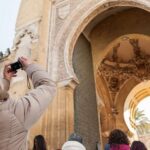
- Then, for the Mosque visit: be at Puerta del Perdón at 12:30
Afternoon schedule
- For the Mosque: be at Puerta del Perdón at 16:00
- Then for the Alcázar: be at the sign of Sotos de la Albolafia, in front of the main gate of the Alcázar, at 18:30
Sunday schedule
- Mosque: Puerta del Perdón at 9:30
- Alcázar: near the sign of Sotos de la Albolafia, in front of the main gate of the Alcázar, at 11:50
This activity ends back at the meeting point, so you’re not dealing with an awkward drop-off in a different part of town. For a 3-hour overall format, the structure keeps you from overthinking the day—and it helps you maximize time on site.
Value for money: what you’re paying for
The tour price can feel worth it if you value interpretation as much as entry access. Tickets are included, and the guide is a historian, which is the core product you’re buying: explanation that ties the Mosque-Cathedral and Alcázar together through political and religious shifts.
Here’s the balanced reality. One visitor felt the prestation was excessively expensive for what they saw, noting an 84€ cost for two people while the Alcázar entry ticket was 7€. That’s a fair way to question value if your goal is simply to see buildings quickly and you assume a guide adds only a little.
But it’s also important to recognize what’s included beyond just doors opening:
- Guided interpretation led by a historian (the time and expertise you’re paying for)
- Tickets included for the monuments
- Audio support if the group size is over 10 people
So I’d judge value by your style. If you love a clear chronological explanation and you want someone to connect the overlaps, it can be a strong use of time. If you’d rather wander independently and rely on general guides, you may feel it’s pricier than you expected for a short circuit.
Who should book this Mosque and Alcázar combination
You’ll likely get the most from this tour if you:
- Want to see both major Córdoba monuments in a short window
- Like historical context that explains how a site changed after conquest and religious shifts
- Prefer a structured narrative you can follow while standing in the building
- Want tickets handled for you and language support in Spanish, English, or French
You might want to think twice if:
- You need a very slow pace to feel confident with the timeline
- You’re already deeply familiar with Spain’s medieval history and you mainly want space to explore on your own
- You’re value-driven to the point of comparing only monument entry prices (especially given the overall 3-hour format)
Should you book? My practical call
I’d book this if you’re in Córdoba for a limited time and you want the two big sites connected by a coherent historian-led story. The Mosque-Cathedral segment pays off because it walks you through named construction phases—from Visigothic beginnings (San Vicente remains) through Islamic expansions (Abderramán I, extensions to Almanzor) and into the post-reconquest cathedral conversion tied to Caliph al-Hakam II’s extension. Then the Alcázar adds a different kind of power story: monarchs for over 8 years, inquisitorial headquarters, and a prison—followed by garden time linked to Columbus’ first royal reception.
If you do have concerns about pace or feel you need slower teaching, go in prepared: concentrate on the named anchors the guide provides, and don’t expect a deep, long-form lesson. For many first-time Córdoba visitors, that tradeoff is exactly what makes the experience useful.
FAQ
How long is the Mosque of Córdoba and Alcázar of Córdoba guided visit?
The duration is 3 hours.
Which languages are available?
The live tour guide is available in Spanish, English, and French.
Are tickets included in the tour price?
Yes. Tickets are included.
Will I get audio during the tour?
Audio is provided (the info says audio is used for groups larger than 10 people).
Where do I meet for the tour?
You meet at specific points depending on your schedule: at Puerta del Perdón for the Mosque and at the sign of Sotos de la Albolafia in front of the main door/gate of the Alcázar. The exact times differ for morning, afternoon, and Sundays.
Can I cancel and get a refund?
Yes—free cancellation is available up to 24 hours in advance for a full refund.