REVIEW · ISTANBUL
Istanbul: Blue Mosque, Basilica Cistern & Spice Bazaar Tour
Book on GetYourGuide →Operated by TOURMANIA · Bookable on GetYourGuide
A few blocks in Sultanahmet can feel like centuries. This 3.5-hour walk ties together Constantinople and the Ottoman Empire with expert on-the-ground guiding.
What I like most is the mix of big set-piece sights and close-up details: the Hippodrome monuments plus the Blue Mosque’s interior tilework. A good guide can also make your photo stops painless and actually timed well. The one possible catch: entry rules at the Blue Mosque can change during prayer times, so plan for a little flexibility.
In This Review
- Key points before you go
- A smart way to spend 3.5 hours in Sultanahmet
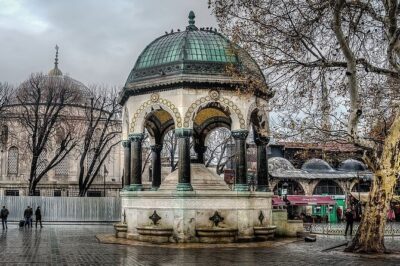
- Meeting at Alman Çeşmesi and building a route that makes sense
- The Hippodrome: where you’ll learn to read the ground you walk on
- Sultanahmet Square: Serpent Column and Obelisk up close
- The Serpent Column
- The Obelisk of Theodosius
- Blue Mosque interior: Iznik tiles, stained light, and practical rules
- What to watch for
- On skip-the-line value
- Guide quality makes the difference
- Hagia Sophia stop: iconic views, plus the ticket you’ll pay
- Price check: $29 is the kind of deal that works—if the route fits your priorities
- Footwear, clothing, and short breaks: what comfort looks like on this walk
- Who should book this tour (and who should skip it)
- Should you book this Blue Mosque–Hippodrome–Hagia Sophia tour?
- FAQ
- What does the tour include?
- Is Hagia Sophia included in the price?
- What’s the tour duration and language?
- Where does the tour start and end?
- What should I wear for the Blue Mosque?
- Are there any timing or entry limitations?
Key points before you go
- Hippodrome storytelling: you’ll walk the old race-course area while your guide brings the chariot-race atmosphere into focus.
- Blue Mosque tilework up close: the prayer hall’s light and 20,000 Iznik tiles do not look like photos.
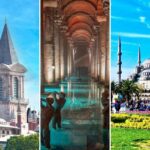
- Monuments you can spot fast: the Egyptian Obelisk and the Serpent Column are right there for close viewing.
- Short but efficient route: it’s built for seeing several top sights without spending the whole day in line.
- Hagia Sophia ticket extra: you’ll likely pay around 30€ on the spot for entry.
A smart way to spend 3.5 hours in Sultanahmet
Sultanahmet is the kind of neighborhood where you don’t need to hunt for landmarks—you just keep walking and the city hands you the next masterpiece. This tour leans into that reality with a tight route that focuses on the area’s most recognizable icons, plus a few ancient details people often miss when they rush.
I like that the pacing is designed for walking-with-a-plan. You hit the big sights, but you also get time for photos and context at each stop. From what I’ve seen in how guides lead this route, the experience tends to feel personal—even in small groups—because the guide’s job is to connect what you’re seeing to what the place used to mean.
The other consideration is practical: the route includes significant walking and it’s not a match for everyone. If you have mobility concerns or claustrophobia, this kind of dense, indoor-outdoor sightseeing may not be your best day in Istanbul.
You can also read our reviews of more tours and experiences in Istanbul.
Meeting at Alman Çeşmesi and building a route that makes sense
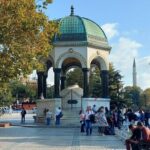
The tour starts at Alman Çeşmesi, then moves through Sultanahmet Square and onward toward the Blue Mosque area. The finish is at Sultanahmet, which is convenient because it keeps you near the core sights and transit options rather than dropping you somewhere far away.
You’ll want to be on time. The tour operates as one continuous walking flow, and if you’re more than a few minutes late, the guide can’t wait. Once things get moving, the guide is focused on the group and won’t be able to pause for catch-up.
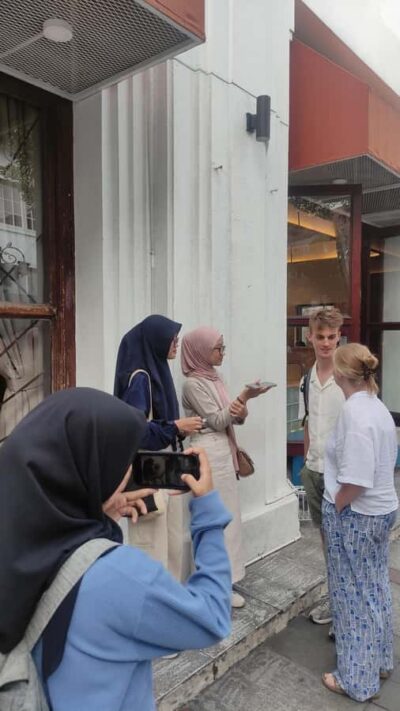
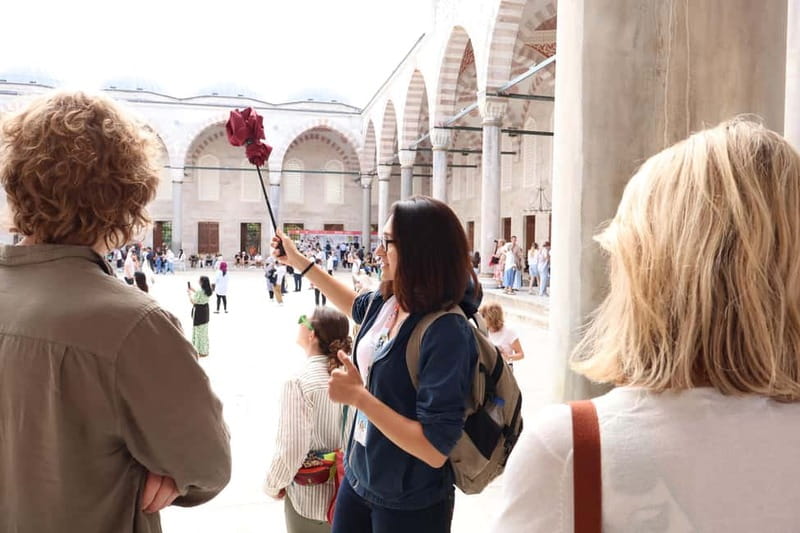
One small thing that matters more than people think: the meeting-point sign. Look for the guide holding a sign with the Tourmania logo so you don’t waste time guessing. In a neighborhood like Sultanahmet, that kind of delay can snowball fast.
The Hippodrome: where you’ll learn to read the ground you walk on
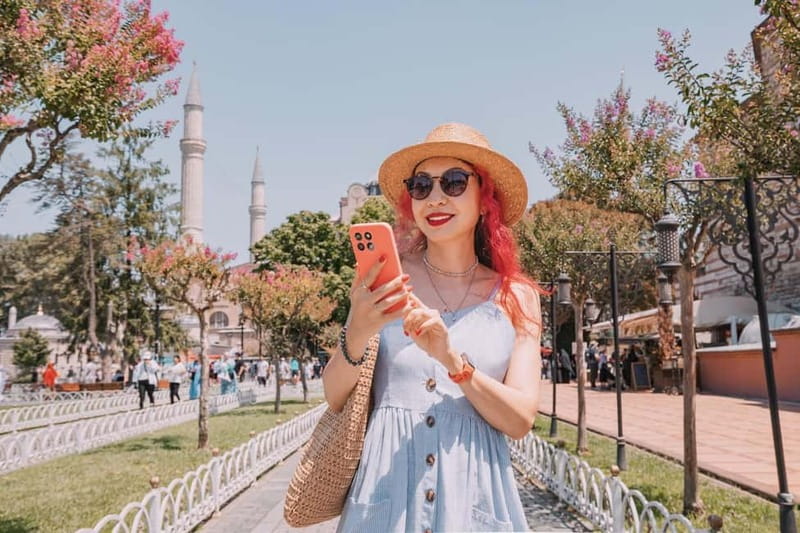
The tour’s first major theme is the Hippodrome of Constantinople—the old race-course area that once served as the political and cultural pressure cooker of the city. Today it’s not a stadium you can enter and roam like a modern arena. It’s more subtle: you’re walking in a space that still carries the shape and meaning of what happened here.
This is where I love the value of a live guide. Without one, you can end up treating the Hippodrome as “a few monuments in a plaza.” With a guide, it becomes a place where you can picture the energy: your guide helps you imagine chariot races, massive crowds, and the way public unrest could flare up in this same zone.
I also like how your guide uses the monuments as teaching tools instead of just pointing. You’ll learn why these objects ended up where they did, and what power looked like in an earlier age—without turning the walk into a lecture.
From the feedback I’ve seen from real participants, guides often add extra context and even photo tips. Names that have come up include Hussein (with strong visual support for historical context) and Jan, who also gets praised for being flexible with the group pace and for capturing great shots.
Sultanahmet Square: Serpent Column and Obelisk up close
After the Hippodrome area, the route tightens around two signature ancient pieces: the Serpent Column and the Obelisk of Theodosius III.
The Serpent Column
The Serpent Column is one of those monuments that feels mysterious even when you know it’s famous. Up close, you can see the spiral form and understand why it stuck around in the public imagination. Your guide will explain the symbols of authority that emperors left behind—so you’re not just looking at a cool object. You’re learning how symbolism worked in everyday public space.

The Obelisk of Theodosius
Then you get the Obelisk of Theodosius III, including the wow factor of age. This Egyptian monolith is over 3,000 years old, and it’s still imposing in person. Again, the guide matters here: you’ll learn what it means in the story of Constantinople and why the city kept using imported power objects to project strength.
This part of the tour also works well for first-timers. If you’re trying to get oriented fast in Istanbul, these monuments give you anchor points. You can later recognize them as you wander on your own, even if you don’t remember every date.
Blue Mosque interior: Iznik tiles, stained light, and practical rules
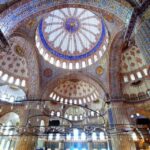
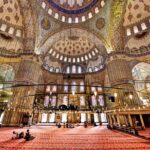
The Blue Mosque (Sultan Ahmed Mosque) is the emotional centerpiece of this route. Outside, it’s famous for its silhouette—six minarets rising with bold confidence. Inside, it’s famous for something more surprising: light and color.
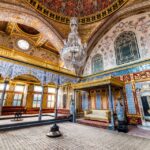
The prayer hall is where the 20,000 handmade İznik tiles earn their reputation. You don’t just see tilework—you notice how it catches the light and how the space feels designed to guide your eyes. And yes, your guide’s commentary helps you connect that visual drama to Ottoman-era artistry and architecture.
What to watch for
Two things can affect your visit:
- Prayer times can limit entry. If the mosque is operating on a schedule, access may be restricted.
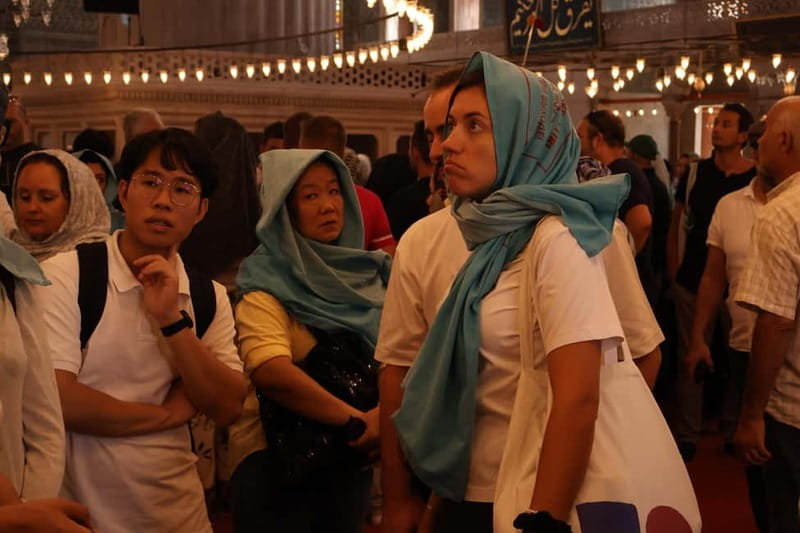
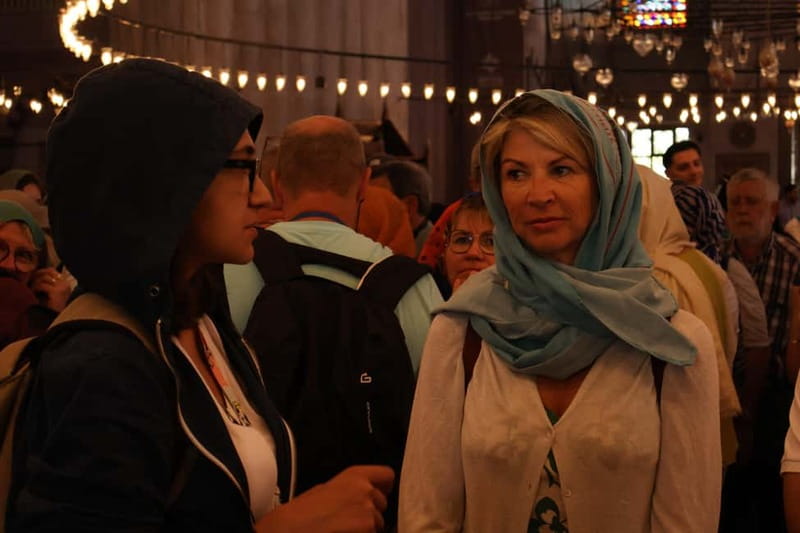
- Dress rules are strict. You’ll need modest clothing. Shorts and sleeveless shirts aren’t allowed, and women need a headscarf.
Bring your own headscarf if you can. It’s the easiest way to avoid last-minute stress. Also, wear comfortable clothes you can move in, because you’ll spend time standing and walking in active public spaces before and after you enter.
On skip-the-line value
The tour experience includes skipping the ticket line. That’s not a minor perk in Istanbul. It’s often the difference between arriving stressed and actually enjoying the first sight you’re there for.
Guide quality makes the difference
This is also the part of the day where the guide’s skill really shows. I’ve seen comments highlighting how guides are engaging and interactive—names that have been praised include Can / Ican and Deniz. People liked that the guides were patient, offered practical tips, and kept the experience flowing without feeling rushed.
If you care about understanding what you’re seeing (instead of just ticking off a famous stop), this tour’s Blue Mosque time is likely one of the best uses of your morning or afternoon.
Hagia Sophia stop: iconic views, plus the ticket you’ll pay
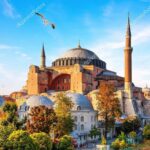
The route continues to the Hagia Sophia area, with sightseeing time and guided context. This stop is close enough that it helps complete the “two empires” arc you started with at the Hippodrome and Blue Mosque.
Here’s the practical point: Hagia Sophia entrance tickets are not included. The tour indicates tickets are roughly 30€, and you can pay cash on the day to the guide.
Why that matters for your decision: if you’re on a tight budget, that extra cost needs to be part of your math. If you’re on a time crunch, the trade-off can still be worth it because you’re pairing Hagia Sophia with other major sights in one guided walk instead of trying to plan everything piece by piece.
Also, because access and crowd flow can shift, a guide can help you get the most out of the time you’re given. Even if you’ve been to Istanbul before, the Hagia Sophia stop tends to feel like a final “now I get it” moment—especially after you’ve learned what earlier monuments were doing in the same neighborhood.
Price check: $29 is the kind of deal that works—if the route fits your priorities
At $29 per person, this tour is priced in the “good value for a guided day” zone. What’s included makes that true:
- A professional licensed local guide
- Guided focus on the Hippodrome of Constantinople
- Blue Mosque visit with live commentary and guidance through the site
That package is the core value. It helps you save time, reduce confusion, and avoid turning your day into a scavenger hunt.
The part that complicates value is the Hagia Sophia ticket. Since it’s additional (about 30€), your all-in cost is more than $29. Still, the trade can make sense because you’re getting a structured morning/afternoon route: multiple landmarks, guided explanation, and help for how to see and photograph key areas.
If you’re the type of traveler who wants to understand what you’re looking at—and you don’t want to spend hours figuring out the best order—this price point can be very fair.
Footwear, clothing, and short breaks: what comfort looks like on this walk
This tour is built around walking. That’s why comfortable shoes are non-negotiable. You’ll be moving through open squares and then transitioning into indoor spaces, so your feet will do the work that your guide can’t.
Clothing should match the mosque rules:
- No shorts
- No sleeveless shirts
- Headscarf needed for women
Another comfort factor: you might get a short café break during the route. One participant specifically called out that break as helpful because there’s a lot of walking. Even if it’s brief, it can make the difference between feeling “I saw a lot” and feeling wiped out.
Who should book this tour (and who should skip it)
This experience is a strong match if you:
- Want the highlights of Sultanahmet in a single guided outing
- Love monuments and want context, not just photos
- Appreciate a guide who can help with photo timing and general tips (people mention photo help and flexible pacing)
- Prefer a focused 3.5-hour schedule rather than a long day
It’s a weaker fit if you:
- Have mobility impairments (it’s listed as not suitable)
- Have claustrophobia (also listed as not suitable)
- Need guaranteed flexibility around prayer-time entry rules at the Blue Mosque
If you’re traveling solo, the value can feel even better. In quieter periods, some participants reported getting a very small group, even one-on-one.
Should you book this Blue Mosque–Hippodrome–Hagia Sophia tour?
Yes, if your priority is seeing major Sultanahmet icons with live guiding that turns stone and tiles into a story. The combination of the Hippodrome, Blue Mosque interior, and a Hagia Sophia stop is exactly the kind of itinerary that helps you understand Istanbul quickly—without spending your whole day inside ticket lines.
Hold off, or plan carefully, if you’re sensitive to mosque entry limits during prayer times or if the additional Hagia Sophia ticket cost will strain your budget. And if walking distance or indoor crowding is a problem for you, this route is probably not the right choice.
If you do book it, come dressed for the mosques and wear shoes you trust. That’s where the comfort—and the enjoyment—starts.
FAQ
What does the tour include?
The tour includes a professional licensed local guide, a guided visit of the Blue Mosque, and live commentary during a guided tour of the Hippodrome of Constantinople.
Is Hagia Sophia included in the price?
No. Hagia Sophia entrance tickets are not included. The ticket is approximately 30€, and you can pay in cash on the day to the guide.
What’s the tour duration and language?
The tour lasts about 3.5 hours and the live guide speaks English.
Where does the tour start and end?
It starts at Alman Çeşmesi and finishes at Sultanahmet.
What should I wear for the Blue Mosque?
Wear modest clothing. Shorts and sleeveless shirts are not allowed, and women need a headscarf.
Are there any timing or entry limitations?
Blue Mosque entry may be limited during prayer times. Also, the guide can’t wait if you arrive more than 5 minutes late, and you won’t be able to join once the tour has started.