REVIEW · ISTANBUL
Istanbul: Hagia Sophia, Blue Mosque, Suleymaniye Mosque Tour
Book on GetYourGuide →Operated by TripGuru Turkey · Bookable on GetYourGuide
Three mosques, one walking route.
This Istanbul tour stitches together the city’s big faith landmarks in about 4 hours, starting in Sultanahmet and moving from Hagia Sophia to the Blue Mosque and up to Süleymaniye. You’ll hear how each place shaped art, politics, and daily life—without the confusion of trying to read Istanbul’s layers on your own.
Two things I really like: you get a professional, licensed guide (I’ve seen names like Muhammed, Ebru, Esra, and Selin attached to this experience), and the talk focuses on what you’re actually looking at—tiles, layout, and why these buildings were built the way they were. I also like the small-group feel, which makes it easier to ask questions and take photos without feeling rushed.
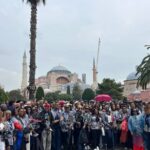
One heads-up: Hagia Sophia crowds can be brutal. If you don’t pick the skip-the-line option, you may face a queue of 1–2 hours, and that time crunch can affect the rest of your morning.
In This Review
- Key highlights at a glance
- Why this 4-hour mosque walk makes sense in Sultanahmet
- Starting point: the German Fountain area and your first “okay, I get it” moment
- Hagia Sophia: from 6th-century landmark to modern visitor icon
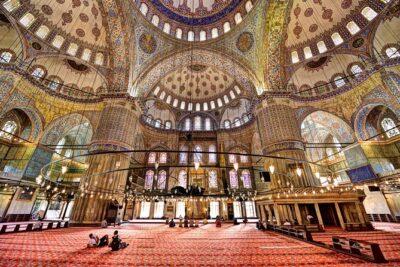
- Blue Mosque (Sultan Ahmed Mosque): tiles, floral detail, and the Sultan’s call
- A built-in reset in Sultanahmet: coffee, tea, and quick local snacks
- Süleymaniye Mosque on the Third Hill: Mimar Sinan’s big idea
- Madrasah stop and your local drink
- Skip-the-line at Hagia Sophia: when paying extra actually saves your day
- What you really get for about $29 per person
- Small group pace, guide style, and why names matter
- Dress code, what to bring, and prayer-time timing
- Who should book this mosque tour, and who should skip it
- Should you book this Istanbul Hagia Sophia, Blue Mosque, Süleymaniye tour?
- FAQ
- How long is the Istanbul Hagia Sophia, Blue Mosque, Süleymaniye tour?
- Where does the tour start?
- Which sites are included in the tour?
- Is skip-the-line access to Hagia Sophia included?
- What’s included besides the guided walking tour?
- Is the tour private or shared?
- What should I wear or bring for mosque visits?
- Can the itinerary change during the day?
- Is this tour suitable for everyone with mobility needs?
Key highlights at a glance
- Skip-the-line option for Hagia Sophia to cut the worst waiting time
- Art-forward mosque stops: tiles, floral details, and architectural choices you can actually spot
- Süleymaniye on the Third Hill with the Mimar Sinan connection
- Madrasah break with a local drink to slow things down after the big landmarks
- Small group pacing that makes questions and photos easier
- Clear dress-code guidance since you’re walking through active religious sites
Why this 4-hour mosque walk makes sense in Sultanahmet
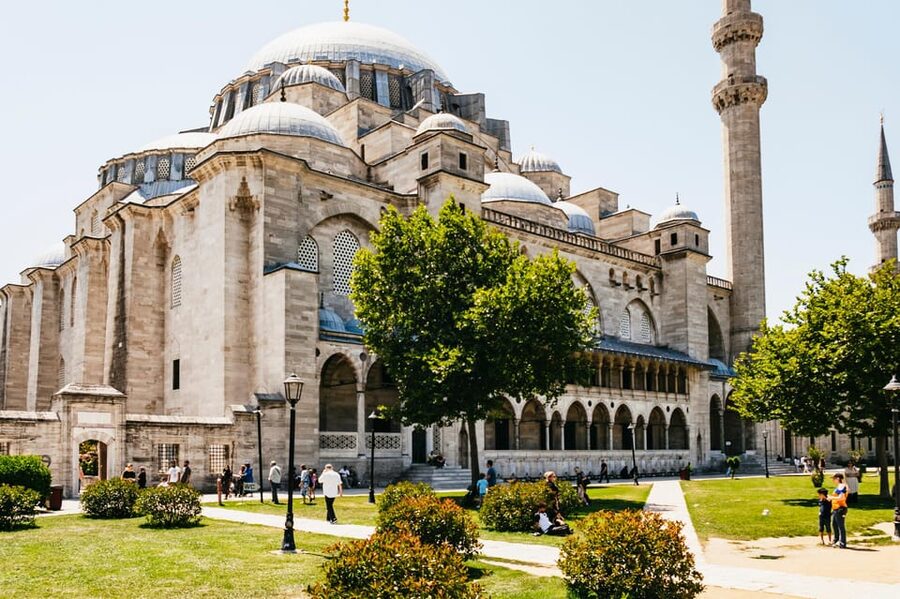
Sultanahmet is packed. If you try to do three major mosques solo, you’ll spend more energy figuring out routes and entry rules than noticing details. This tour is built for that exact reality: short distances on foot, tight time blocks, and guided context as you go.
The best part is how the guide frames each building as a living document. Hagia Sophia isn’t treated like just a photo backdrop. The Blue Mosque isn’t presented as a static skyline moment. And Süleymaniye isn’t only about scale—it’s about design choices and how Sinan thought.
You can also read our reviews of more tours and experiences in Istanbul.
Starting point: the German Fountain area and your first “okay, I get it” moment
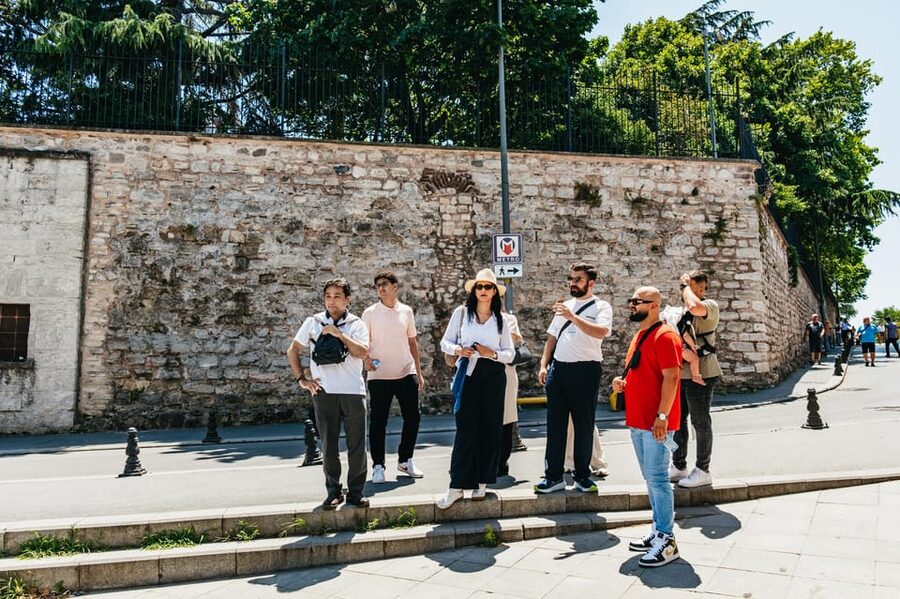
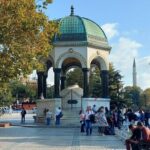
You meet near the German Fountain, also listed as Fuente Alemana, in the Sultanahmet area. That matters because you’re right where the classic monuments cluster, so you get moving quickly instead of crossing Istanbul with a stroller of a plan.
Once you start walking, the route gives you a natural rhythm: picture stop, short guided walk through the key areas, then time to look around yourself. It’s the kind of pacing that helps you remember what you saw, not just that you saw it.
Hagia Sophia: from 6th-century landmark to modern visitor icon
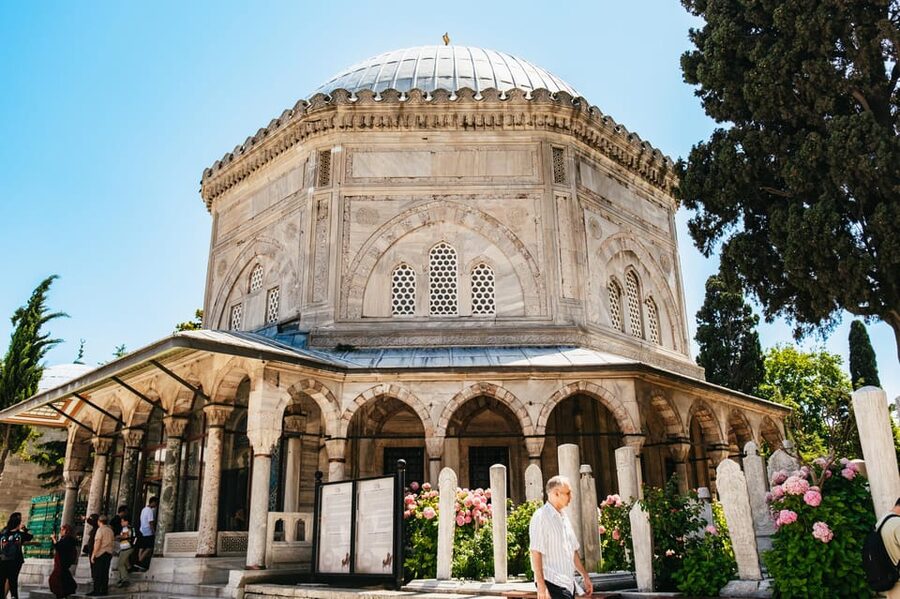
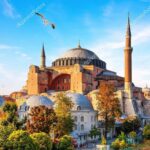
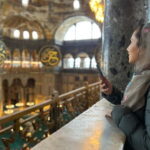
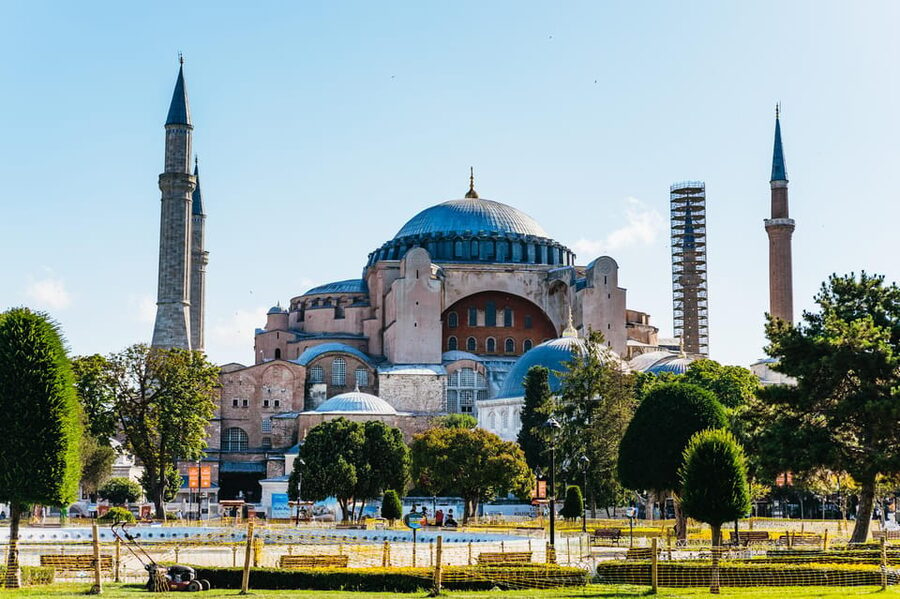
Hagia Sophia is the opening heavyweight. You’ll start with a photo stop, then a guided visit and sightseeing walk that lasts about 1 hour at this stop.
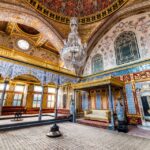
What makes it special is the long timeline the guide connects for you: completed in the 6th century A.D., it began as an Orthodox Christian cathedral in early Constantinople. Over the centuries it’s been used as a Catholic church, then a mosque, and later as a museum. That “layer cake” story changes how you look at the building. You start noticing what was preserved, what was adapted, and what symbols were kept or repurposed.
Practical note: if you choose the skip-the-line option, you’ll feel the difference immediately. If you don’t, queues can hit 1–2 hours, which can turn a 4-hour tour into a race against daylight and prayer-time shifts.
Blue Mosque (Sultan Ahmed Mosque): tiles, floral detail, and the Sultan’s call
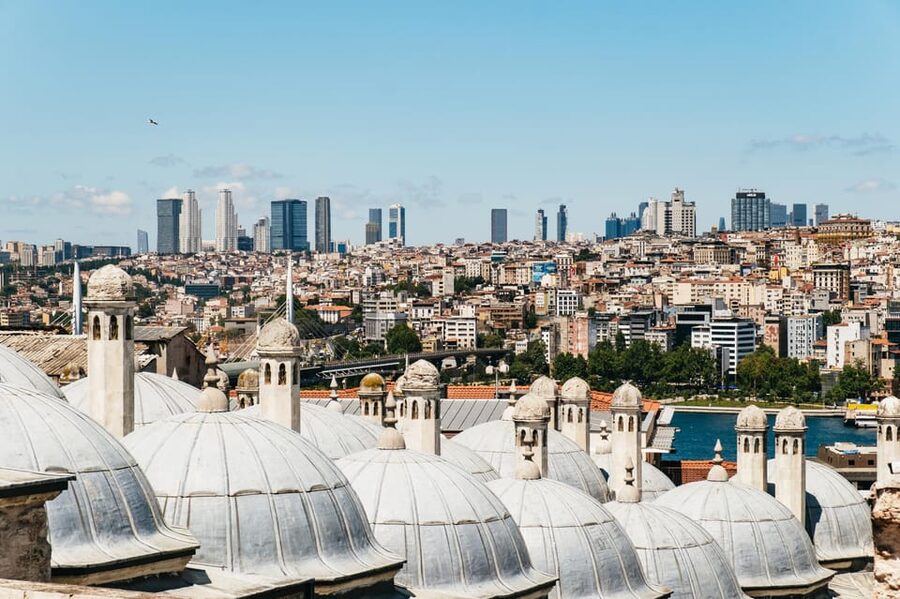
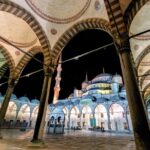
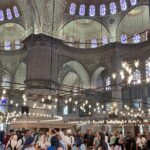
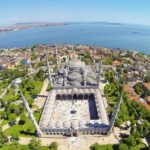
Next comes the Sultan Ahmed Mosque—better known as the Blue Mosque—with another roughly 1 hour block. You get a photo stop, guided tour, and time to stroll and absorb the space.
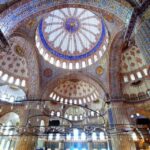
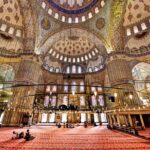
This is where the tour earns its keep for design lovers. The guide points out the intricate tilework and floral designs, plus the story behind why Sultan Ahmed built this grand edifice even though counselors reportedly advised against it. In other words, it’s not just pretty surfaces. It’s a political and cultural statement made in architecture.
Also, because it’s a functioning mosque, you’ll likely see the building’s practical rhythm—people preparing for prayer, visitors adjusting to the sacred space rules. That shifts the mood from “museum energy” to “living religious place,” which is the point.
A built-in reset in Sultanahmet: coffee, tea, and quick local snacks
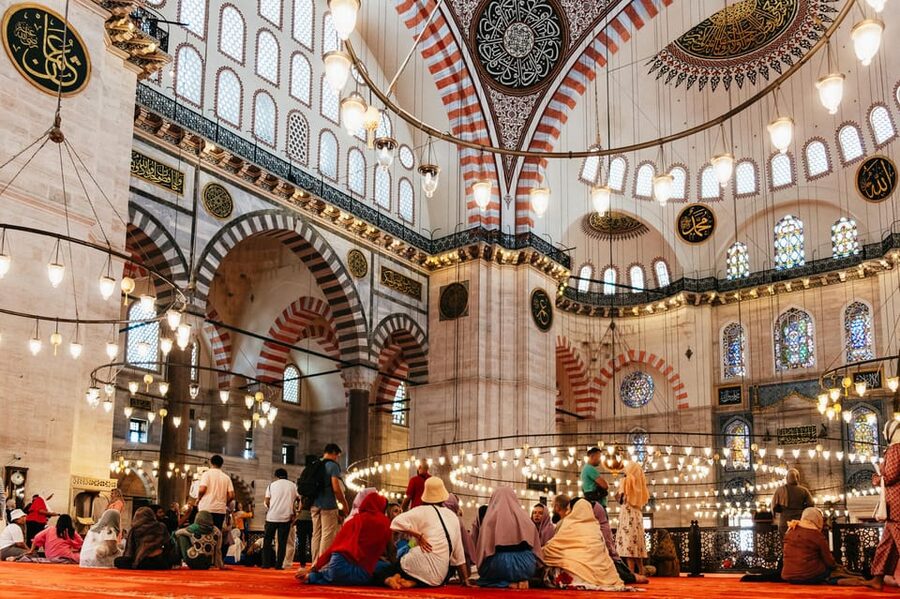
After two major stops, the tour adds a 30-minute break in the Sultanahmet District. You get a coffee or tea break plus time for local snacks, and you can stretch your legs before the climb toward Süleymaniye.
I like this stop because it prevents the typical Istanbul issue: trying to do big sights back-to-back until your brain goes on low power. A short pause also helps you handle the next part with better attention—especially if the mosque interiors are cool and dim compared to the bright streets outside.

Süleymaniye Mosque on the Third Hill: Mimar Sinan’s big idea
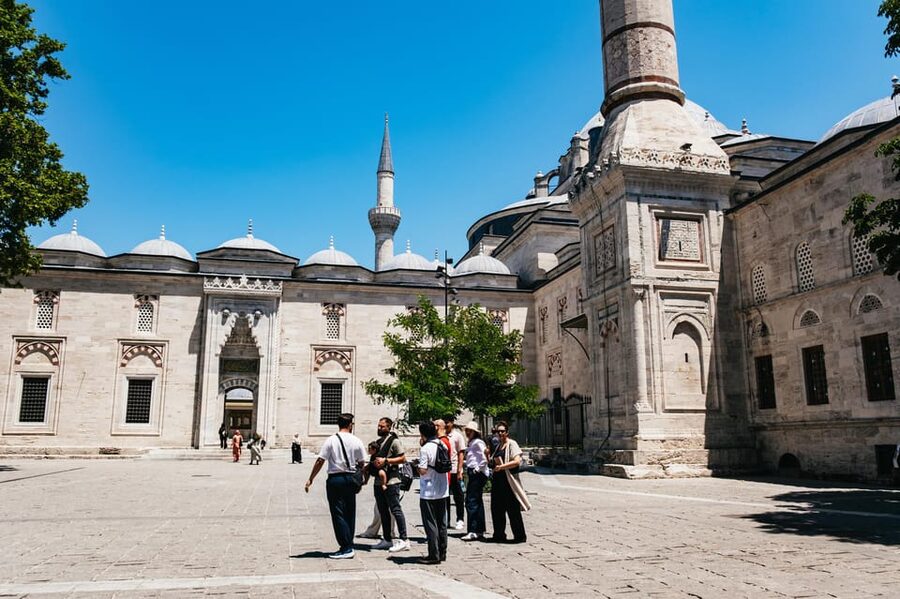
Then you head to the Third Hill of Istanbul for Süleymaniye Mosque, with another 1-hour guided segment.
Here’s the standout context the guide gives: Süleymaniye was known as the largest mosque in the city for more than 450 years, and it was “dethroned” from that title in 2019. Hearing that helps you understand why people still talk about it with so much pride—it’s not just a historic building; it held a long-standing status.
The architecture angle is where Süleymaniye shines. The tour credits Mimar Sinan as the architect, and the way the guide explains the design makes it easier to see the overall plan rather than getting lost in individual details. You’ll also get photo opportunities, then walk through the key areas with guidance so you know what to focus on.
One practical consideration: this is a walking tour, and Süleymaniye sits on a hill. If you’re tired or your shoes are bad, you’ll feel it. Good footwear isn’t optional here.
Madrasah stop and your local drink
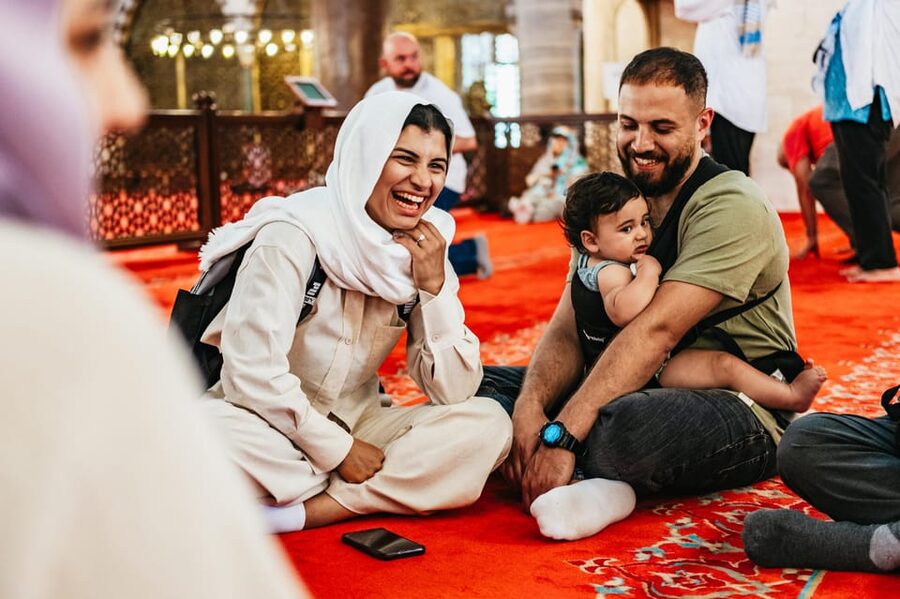
The tour ends with a stop at a historical madrasah, where you can enjoy a refreshing local drink. Depending on the package you select, this drink is included.
I like this ending because it shifts the experience from “icons and photos” to “daily culture.” A madrasah is education tied to faith; the break makes the whole route feel more human-sized. It also gives you a final moment to slow down when your feet are starting to negotiate.
Skip-the-line at Hagia Sophia: when paying extra actually saves your day
This tour offers an optional skip-the-line experience for Hagia Sophia. The activity notes say the Hagia Sophia entrance fee can be 25 EUR per person if the inclusive option isn’t selected.
Here’s how I’d think about it if you’re deciding:
- If you’re only in Istanbul for a short window, skip-the-line is usually the smartest money. Losing 1–2 hours to a queue is time you can’t buy back later.
- If you hate waiting, skip-the-line is also about sanity, not just convenience.
- If you’re comfortable arriving very early and handling crowds, you might tolerate the line—but you’re still trading away flexibility.
The tour provider also recommends buying skip-the-line tickets in advance, and they can send a purchase link if you didn’t select the inclusive option.
What you really get for about $29 per person
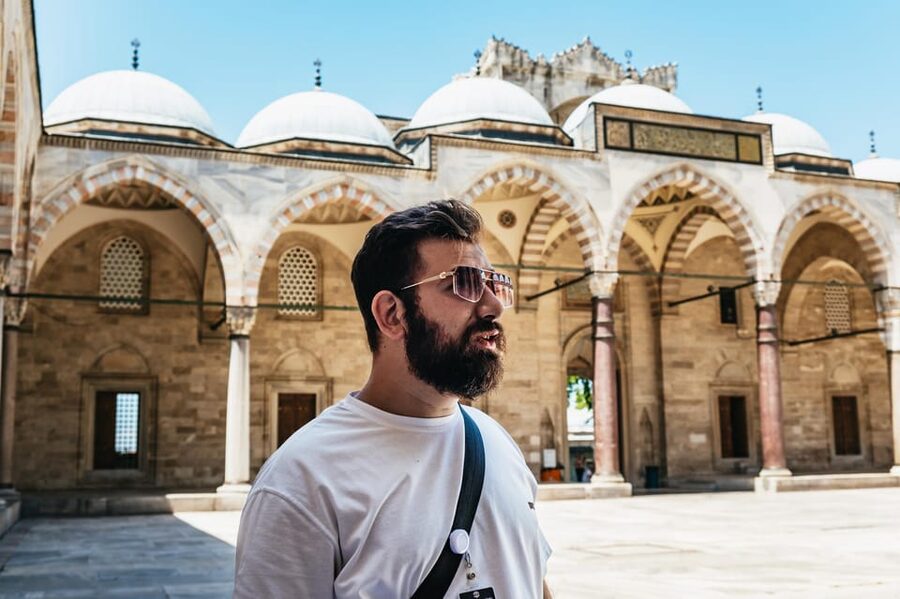
On paper, $29 per person sounds like a “value tour.” In practice, the value comes from three things: a licensed bilingual guide, a route that hits three major landmarks in one go, and structured time that prevents you from wandering in circles.
Compare this to doing Hagia Sophia alone. If you get the skip-the-line option, you’re also paying attention to the biggest bottleneck first. If you don’t, you may still pay entrance fees separately, plus the time cost of waiting.
The guided part matters more than people expect. These mosques aren’t one-style buildings. They’re layers of meaning—religious shifts, political decisions, and artistic choices that you’ll miss if you just stare at the exterior and move on.
Small group pace, guide style, and why names matter
This is a walking tour with a small group option, and that changes the feel. A small group means you can ask questions—like what specific tile patterns symbolize, or what architectural choices tell you about the building’s purpose.
The guide names I’ve seen tied to this experience include Muhammed, Ebru, Esra, Selin, and others. What matters for you isn’t the name; it’s the result: guides here tend to explain the connections between history, art, and the way these spaces function.
If you’re the kind of person who likes to understand what you’re looking at (not just check off a list), this is one of those tours where the “human component” is the main feature.
Dress code, what to bring, and prayer-time timing
Because you’ll be entering active religious sites, you need to be ready for rules. The tour explicitly notes that implementation can be strict for some sites.
Bring:
- Sunglasses, sunscreen, hat
- Umbrella (useful for Istanbul weather swings)
- Camera
- Insect repellent
- A scarf or something to cover up
- Long-sleeved shirt
- Cash
Not allowed:
- Shorts
- Sleeveless shirts
Also, plan for potential itinerary changes around prayer times. The tour says prayer-time changes can adjust, extend, or shorten the route. That’s normal for mosque visits, but it’s good to know so you don’t treat this like a rigid timetable.
One more practical detail: the upper gallery is accessible by stairs, so it isn’t recommended for tourists with mobility issues.
Who should book this mosque tour, and who should skip it
This tour is a strong fit if you want an organized route through Hagia Sophia, the Blue Mosque, and Süleymaniye, plus explanations that connect art and architecture to real historical shifts.
It may not be a good fit if:
- You have mobility impairments or need step-free access (not suitable per the activity notes)
- You’re pregnant, or you have heart or respiratory issues (also listed as not suitable)
- You’re not prepared for a dress-code reality check
If you’re visiting with kids, it can still work if everyone can handle the walking and the indoor rules. Just keep expectations realistic about timing.
Should you book this Istanbul Hagia Sophia, Blue Mosque, Süleymaniye tour?
If you want maximum “I finally get it” value from Istanbul’s top mosque stops in one morning-to-afternoon block, I think this is a good booking. The route is efficient, the guide is a core part of the payoff, and the madrasah drink stop is a nice reset.
My main advice: strongly consider the Hagia Sophia skip-the-line option. If you’d rather spend time looking than standing, it protects your schedule and your energy.
Book this tour if you like architecture explanations and you want a clear path through Sultanahmet. Skip it if you need a fully flexible, no-rules outing or if mobility limits make stair-heavy moments or mosque-entry dress rules tough.
FAQ
How long is the Istanbul Hagia Sophia, Blue Mosque, Süleymaniye tour?
The tour duration is listed as 4 hours.
Where does the tour start?
The meeting point may vary by option, but starting locations are listed around the German Fountain area (also listed as Fuente Alemana) in Sultanahmet.
Which sites are included in the tour?
You visit Hagia Sophia, the Blue Mosque (Sultan Ahmed Mosque), and Süleymaniye Mosque. There is also a stop at a historical madrasah for a local drink (depending on the package).
Is skip-the-line access to Hagia Sophia included?
Skip-the-line entrance fees for Hagia Sophia are included only if you select the inclusive option. If you don’t, the Hagia Sophia entrance fee is listed as 25 EUR per person.
What’s included besides the guided walking tour?
Included items list a local drink at a historical madrasah (depending on package), a bilingual English- and Turkish-speaking professional licensed tour guide, walking tour, and Hagia Sophia skip-the-line entrance fees (if selected).
Is the tour private or shared?
A private tour is available as an option. Small group availability is also listed.
What should I wear or bring for mosque visits?
Bring a scarf or sweater to cover up, along with items like sunglasses, hat, umbrella, sunscreen, and a camera. Long-sleeved clothing is recommended. The tour notes that shorts and sleeveless shirts are not allowed.
Can the itinerary change during the day?
Yes. Because the tour includes visits to religious temples, the itinerary may be adjusted, extended, or shortened due to changes in prayer times.
Is this tour suitable for everyone with mobility needs?
No. The activity notes it is not suitable for people with mobility impairments, and it also mentions that the upper gallery is accessed by stairs.