REVIEW · KAMPALA
Kampala: 3-Hour Walking Tour with Optional Gaddafi Mosque
Book on GetYourGuide →Operated by Immersion UG · Bookable on GetYourGuide
Kampala feels real fast when you walk it. This 3-hour Kampala walking tour starts at the Craft Market and threads together major landmarks and day-to-day street life, with a local guide who helps you read what you’re seeing. You also get time in markets where you can smell spices, taste food, and shop with less guesswork.
I especially like the blend of big-city waypoints and human-scale moments. You’ll visit places like Constitutional Square, the Independence Monument, and the Main Post Office, then shift into the energy of Nakasero, Owino, and nearby downtown hubs. I also love the food angle: you can try local favorites like rolex and grasshoppers, and you’ll learn what’s what from someone who can translate the chaos.
One consideration: the optional upgrade to the Gaddafi National Mosque adds a longer stop and includes a short boda ride. If you’re not comfortable with motorcycles, stick to the walking portion and finish back at the Craft Market on foot.
In This Review
- Key Things That Make This Tour Worth Your Time
- Meeting at the Craft Market: Your First Step into Kampala
- From Constitutional Square to the Independence Monument: Where Kampala Explains Itself
- World War Memorial, Main Post Office, and a Café Reset
- Cross into Downtown: Nakasero Market and the Pace of Daily Life
- Owino Market and the Herb-and-Spice Feeling
- Street Food Options: Rolex, Grasshoppers, and the Value of Trying
- Coffee and Souvenirs at 1000 Cups
- Optional Gaddafi National Mosque: The Minaret View
- Price and What You Really Get for $24
- Guides, Group Size, and That Small-Tour Feeling
- Who This Kampala Walk Suits Best
- Should You Book This Walking Tour?
- FAQ
- How long is the Kampala walking tour?
- Where do I meet the guide?
- Is the Gaddafi National Mosque included by default?
- Will I ride a boda during the tour?
- Do I need cash for food and drinks?
- What should I wear or bring?
- How big is the group?
- Which languages are offered?
- Can I reserve without paying today, and can I cancel?
Key Things That Make This Tour Worth Your Time
- Orientation that makes the city make sense: You get historical and practical context as you move through Kampala’s main monuments and government areas.
- Market time with real taste-and-smell moments: Expect spice and herb aromas, plus chances to try street snacks like rolex and grasshoppers.
- A small group for a calmer experience: The group stays limited to 15 people, so you’re not just chasing a crowd.
- Street-level shopping support: You can look for local fabrics and ask questions, including how to handle haggling.
- Optional Gaddafi Mosque with a view payoff: If you choose it, you ride to the mosque, tour for about an hour, and climb to the minaret.
- A guide who adapts: Guides such as Ronald, Simon, and Andrew are known for balancing information with flexibility, including adjusting where you spend time.
Meeting at the Craft Market: Your First Step into Kampala
The tour starts at the Craft Market on Buganda Road. Go a little early and look for your guide at the entrance area, holding a black umbrella with the partner logo and the words Free Tour Starts Here.
This matters more than it sounds. Kampala can feel like a lot at once, especially around busy central areas, and a clear meeting point helps you get oriented quickly. From there, your guide gives a short briefing so you know what kind of stops to expect and where you’ll pause for refreshments.
You can also read our reviews of more tours and experiences in Kampala.

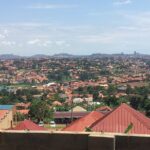
From Constitutional Square to the Independence Monument: Where Kampala Explains Itself
After the briefing, you head toward Kampala’s key historical and civic landmarks. The route typically includes Constitutional Square, the World War Memorial Monument, the Independence Monument, and the King Muteesa II Monument, with the Main Post Office in the mix.
What I like about this section is that it doesn’t treat history like a museum lecture. You’re walking past government installations and major memorials, so the story feels tied to place. Your guide also helps you connect the dots between leadership, independence, and how the city’s power centers developed.
If you’re the kind of traveler who likes to understand why a city looks the way it does, this stretch is the payoff. You’re seeing the architecture and monuments, but you’re also getting the context that makes those structures more than photo spots.
Practical note: you’ll be on your feet for part of the morning/early afternoon, so comfortable clothing and walking shoes make a real difference here.
World War Memorial, Main Post Office, and a Café Reset
The World War Memorial Monument stop adds a different tone to the walk. It’s a reminder that Kampala’s story includes global conflict and sacrifice, not just local landmarks and everyday life.
Then you move toward the Main Post Office, another landmark that shows you Kampala’s role as a communications and logistics hub. Seeing it on foot helps you understand how these civic buildings sit inside a working city, not an isolated tourist strip.
You’ll also get a toilet or refreshment break at a popular local café. This is a smart move in the middle of a market-heavy day. Markets can turn into an all-senses experience fast, and having a planned pause helps you enjoy the next part instead of rushing.
Cross into Downtown: Nakasero Market and the Pace of Daily Life
Once you head into downtown areas, the tone changes. You’ll spend time around Nakasero Market and other major activity points, including the Old Taxi Park and Owino Market.
This portion is where you see Kampala as a working city. It’s not just about shopping; it’s about how people move, negotiate, and trade. Your guide helps you interpret what you’re seeing so you can focus on the experience rather than feeling overwhelmed.
You’ll also get food opportunities here. You can try street snacks that visitors often hesitate over if they’re going solo. With a guide, you know what to expect and you’re more likely to try a small portion instead of committing to something you’re unsure about.
And yes, there’s a haggling element. If you dare, you can attempt to out-haggle a vendor. Just remember: markets run on relationships and rhythm, so treat it like a conversation, not a showdown.
Owino Market and the Herb-and-Spice Feeling
Owino Market is one of those places that hits you right away: visual clutter, fast motion, and strong smells. Your guide will steer you toward the kinds of stalls that make sense for a visitor.
A key part of this stretch is the sensory side. You’ll smell aromas of spices and herbs as you move through market areas, and that helps you understand what’s going on without needing to read every sign. If you like food and ingredients, this is one of the most memorable parts of the tour.
On top of that, you’ll have time to shop for local fabrics. This is where the guide’s support really helps. You can ask questions about what’s made locally, what people actually wear, and what’s practical to take home. The goal isn’t to buy everything; it’s to leave with a few meaningful items (and not a pile of confusion).
Street Food Options: Rolex, Grasshoppers, and the Value of Trying
Food is woven into this walk in a practical way. Instead of a formal meal, you get chance after chance to try things in small amounts.
Two favorites you may be offered are rolex and grasshoppers. Rolex is a popular street snack, and grasshoppers are a more adventurous tasting choice. Whether you take the plunge or stick to milder options, it’s a chance to learn how street food fits daily life here.
One key tip: you’ll want local currency if you want to taste fruit and street food along the route. The tour doesn’t include food or drinks, so plan to carry enough to pay for what you choose.
Coffee and Souvenirs at 1000 Cups
Near the end, you’ll head back toward the Craft Market area and pass by opportunities to shop for souvenirs or stop for coffee. One named option is 1000 Cups café, where you can sample local coffee while you finish the tour.
I like this ending because it gives you something steady after the market intensity. You can sit, filter your photos, and decide what to buy before your day ends. It also makes the tour feel complete: you didn’t just walk; you got a full loop of culture, food, and shopping.
Optional Gaddafi National Mosque: The Minaret View
If you choose the upgrade, the tour adds about an hour for the Gaddafi National Mosque, also officially called the Uganda National Mosque. You’ll ride a boda to get there, then tour for around an hour.
The highlight is the climb to the top of the minaret. From that viewpoint, you get some of the best sightlines over Kampala. You’ll also learn how the city expanded outward from the spot where Frederick Lugard established the old city of Kampala.
This stop tends to be the most “wow” moment of the day. It’s not just about architecture; it’s about stepping back and seeing Kampala as a growing, layered city. One guide-led takeaway you may hear is Kampala’s seven hills, which helps you understand why the city feels like it moves in layers rather than flat lines.
You finish by returning to the Craft Market by boda.
Price and What You Really Get for $24
At $24 per person, this tour is priced like a solid value for a first-time visit. You get a 3-hour shared walking experience led by a local guide, plus a short boda ride to help you close the loop at the end.
Food and drinks cost extra, but the structure is still good value because the tour covers the difficult parts: navigating between major civic landmarks and downtown markets, timing stops, and giving you permission to try food you might otherwise avoid. It also includes a planned break at a café, which you’d have to figure out on your own.
If you add the Gaddafi National Mosque option, you’re paying extra for a longer guided visit plus transport by boda to and from the mosque. In that case, you’re also getting a viewpoint reward from the minaret, which is hard to recreate without local help.
Bottom line: for $24, you’re buying orientation and access, not just walking time.
Guides, Group Size, and That Small-Tour Feeling
A standout feature is the group limit of 15 people. That keeps things social but not chaotic, and it helps you get questions answered instead of waiting your turn.
You’ll also see guide names come up often. Ronald is noted for fluent English and German, and for keeping the tour entertaining while still informative. Simon and Andrew also show up as strong guides, with Andrew described as flexible and able to answer specific questions about Ugandan history. Sabrina is praised too, including for making the experience feel friendly and easy to enjoy.
Another practical advantage: guides can adjust the pace. When time is tight, you may spend longer where you care most and cut less important parts. That flexibility matters on a short visit.
Who This Kampala Walk Suits Best
This tour is ideal if:
- you only have one day or a half-day and want an efficient orientation
- you like market time, street food, and hands-on cultural experiences
- you’d rather ask questions than wander blind in crowded areas
- you want a guide-led route that hits both monuments and downtown life
It may not suit you if:
- you need step-free or mobility-friendly walking (the tour isn’t described as suitable for mobility impairments)
- you’re traveling with small kids (it’s not suitable for children under 12)
- you’re pregnant (it’s not suitable for pregnant women)
- you strongly dislike motorcycles if you plan to add the Gaddafi Mosque upgrade
Should You Book This Walking Tour?
Yes, if you want a guided introduction to Kampala that mixes monuments, markets, and food without turning into a long day. This is the kind of tour that helps you feel settled quickly: you get history where you can see it, then you get the sensory city stuff where it matters.
If you’re coming to Kampala mainly for food and photography, the market section plus optional minaret views are a strong combo. If you’re the cautious type, you can always stay with the walking portion and skip the mosque upgrade.
If you do have room in your schedule, I’d lean toward the mosque option because the minaret climb turns the day into a real viewpoint story. And if not, you’ll still end with coffee or shopping near the Craft Market, which keeps your return simple.
FAQ
How long is the Kampala walking tour?
The walking portion is about 3 hours. If you select the option, the tour also includes an additional 1-hour visit to the Gaddafi National Mosque.
Where do I meet the guide?
Meet at the Craft Market on Buganda Road. The guide will be at the entrance and holding a black umbrella with the partner logo and Free Tour Starts Here printed on it.
Is the Gaddafi National Mosque included by default?
No. The mosque is optional. Choose the upgrade to add a boda ride to the mosque and a 1-hour guided visit.
Will I ride a boda during the tour?
There is a short boda ride at the end of the walking tour. If you add the mosque option, you’ll also ride a boda to the mosque and back.
Do I need cash for food and drinks?
Yes. Food and drinks are not included, so you should carry local currency if you want to taste fruit or street food.
What should I wear or bring?
Wear comfortable clothing and bring walking shoes or trainers. It’s also smart to carry local currency for snacks, and bring a jacket if the weather looks cool or rainy.
How big is the group?
The tour is limited to a small group size of up to 15 people.
Which languages are offered?
Tours are available in English, French, and German.
Can I reserve without paying today, and can I cancel?
The experience offers reserve & pay later, meaning you can book your spot and pay nothing today. Cancellation is possible up to 24 hours in advance for a full refund.