REVIEW · KAMPALA
Kampala: Guided City Walking Tour with Gadaffi Mosque
Book on GetYourGuide →Operated by Kitenji Uganda Safaris and Tours · Bookable on GetYourGuide
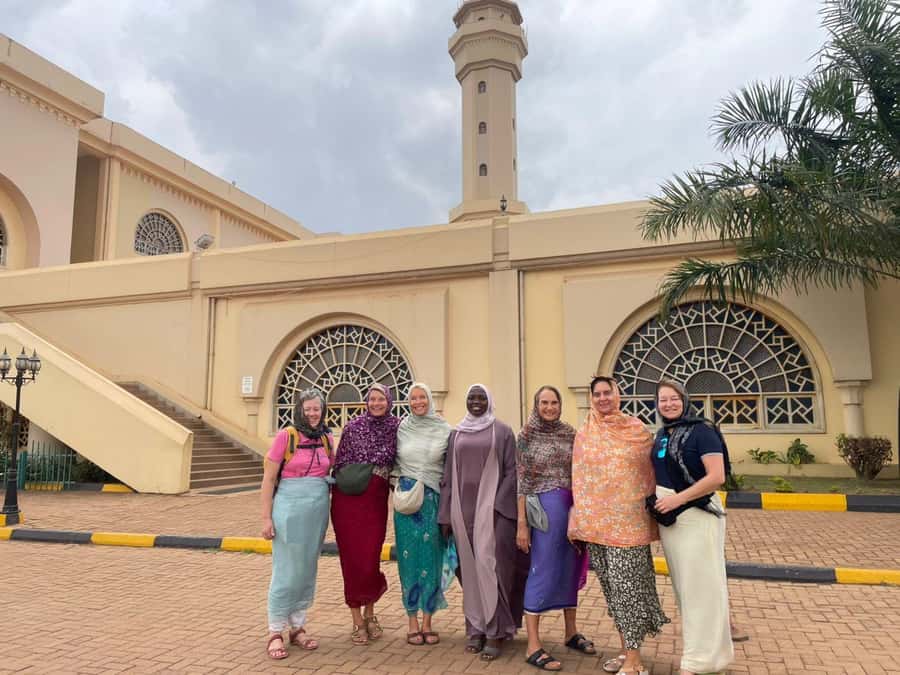
Kampala is best on foot. I like the small group size (max 6) because I can ask questions and keep a comfortable pace, and I love finishing at the Gaddafi National Mosque for big city views. One heads-up: this is real walking, so it isn’t a good fit if you have mobility limits.
This tour also feels like value for money. For $35, you get an English-speaking guide plus paid entry for several sights, which helps you spend your time on the streets instead of ticket lines. Depending on your comfort level, the market portion can be very crowded and sensory, so come ready for that energy.
Kampala on foot, in a group of 6
Gaddafi National Mosque with a major viewpoint
Markets that show daily life, not just shopping
English guide with history + practical local context
Short stops you can pause in without feeling rushed
Bring cash and comfortable shoes; meals are not included
In This Review
- Kampala on Foot: How This 4-Hour Plan Really Feels
- Starting at Kitenji: The Practical Side of Getting There
- Independence Monument and the World War Memorial: Uganda’s Turning Points
- Nakasero Market: Fresh Produce, Fast Questions, Real Life
- Old Taxi Park and Matatus: The Sound and Motion of Transport
- Owino Market: A Big Market Means Big Atmosphere
- Bagala Craft Village: Souvenirs That Feel Made Locally
- Gaddafi National Mosque: Architecture, Viewpoints, and Dress Rules
- Group Size, Guide Quality, and the Calm of Asking Questions
- Price and Inclusions: Getting Your Money’s Worth
- What to Bring (So You Don’t Have a Bad-Walk Day)
- Who This Walking Tour Suits Best (and Who Should Skip It)
- Should You Book the Kampala: Guided City Walking Tour with Gaddafi Mosque?
- FAQ
- How long is the Kampala guided walking tour with Gaddafi Mosque?
- What group size is this tour?
- Is the tour guided in English?
- What’s included in the tour price?
- What should I bring for the walking and mosque visit?
- Are meals included?
- Do they offer pick-up and drop-off?
Kampala on Foot: How This 4-Hour Plan Really Feels
A walking tour works best when it’s paced for real people, not a photo sprint. This one runs about 4–5 hours (listed as 4 hours) and keeps the group to 6 people, which is the sweet spot for questions, route tweaks, and not getting separated in the crowd.
You’ll start at Kitenji Uganda Safaris and Tours, then move through central Kampala on foot with a guide. The schedule is flexible enough to slow down for views, quick explanations, or a break when the sun is doing its thing—Uganda’s climate can be warm even when you don’t expect it.
Price matters here. At $35 per person, you’re paying for the guide time and included admissions to multiple places (so you’re not guessing what costs extra). If you’re only in Kampala for a short window, this format can help you get oriented fast.
Starting at Kitenji: The Practical Side of Getting There
Your departure point is Kitenji Uganda Safaris and Tours, and pick-up/drop-off is not included. That means you’ll want to plan to arrive on time, comfortably, and with an easy meeting spot in mind—especially if you’re using rideshare or another local transport option.
Once you’re with the guide, the tour is mostly straightforward: you walk from stop to stop and get short, focused explanations at each site. You’re also traveling with an English-speaking guide, which makes the history and the “why this place matters” parts land much better than a signboard-only visit.
You can also read our reviews of more tours and experiences in Kampala.
Independence Monument and the World War Memorial: Uganda’s Turning Points
Two of the stops are built for reflection: the Independence Monument and the Ward war memorial monument. Even if monuments aren’t your main hobby, these are worth it because they connect Kampala to key moments in Uganda’s story.
The Independence Monument was erected in 1962 to commemorate Uganda’s independence from British colonial rule, and it sits in a garden setting that gives you a quieter pause from the street noise. It’s also a great photography stop—open space and calmer surroundings help your pictures look intentional instead of chaotic.
The Ward war memorial monument, built in 1945 by the British colonial government, commemorates Ugandans who died supporting British soldiers during World War I and World War II. It’s one of the older memorials in Kampala, and the guide’s context helps you read it beyond the surface: it’s not just a statue, it’s a reminder of connections Uganda had to global events.
Nakasero Market: Fresh Produce, Fast Questions, Real Life
If you want Kampala without a filter, Nakasero Market is one of those places. It’s described as a fresh-produce hub in the heart of Kampala, and that means you’ll see everyday commerce in action—not a staged “market experience.”
This stop is useful in a practical way. You’ll get a sense of what people are buying, how vendors work, and how a day in Kampala moves through the city. If you have questions—about fruit, spices, or what’s in season—this is a good moment to ask. The guide can translate the meaning of what you’re seeing into something you can carry home.
Wear comfortable shoes and take your time. Markets are high-foot-traffic spaces with uneven surfaces and lots of people moving in tight lanes, so slow down when you need to and step aside if someone needs to pass.
Old Taxi Park and Matatus: The Sound and Motion of Transport
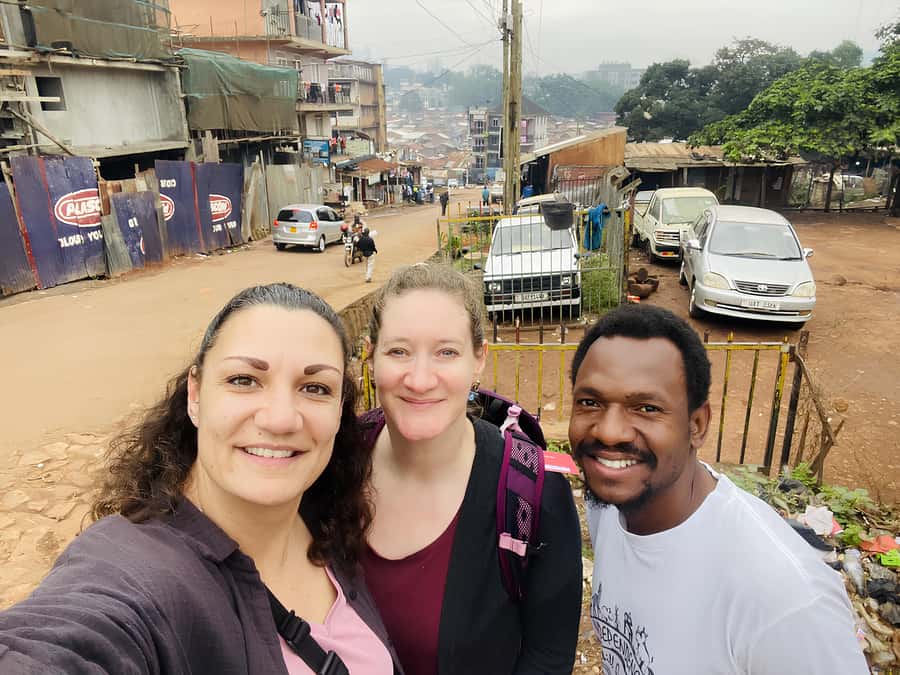
Then comes the famously chaotic energy of the Old Taxi Park. It’s part of Kampala’s public transport system and a key place to understand how people actually get around.
You’ll watch or participate in the comings and goings of matatus—the 14-seater public vans. The value here isn’t just watching vehicles; it’s noticing how transport shapes the city rhythm. You learn the logic of routes and how quickly plans can change when many people are sharing the same space.
If you dislike noise or crowded intersections, this might feel intense. But if you enjoy seeing how a city works, this stop is one of the most “you’re really here” moments of the tour.
Owino Market: A Big Market Means Big Atmosphere
Owino Market (St. Balikuddembe Market) is the kind of place that teaches you something fast: Kampala is a working city, not a museum. It’s described as hosting around 50,000 traders, which gives you a sense of scale—and why your guide helps you navigate the flow.
This stop is both sensory and social. You’ll move through pathways where vendors sell everything from produce to traditional crafts, and you’ll likely notice the smell of spices and the color mix of textiles and fruit. It’s not just a shopping stop; it’s where people gather to buy, sell, and chat.
A practical note: this is one place where your comfort level matters. In one guide-led experience, people appreciated it but also noted it can be very crowded. If you get overwhelmed easily, keep your expectations realistic—plan for tight walking, choose one or two things you want to look for, and give yourself permission to skip deep shopping.
Bagala Craft Village: Souvenirs That Feel Made Locally
Between the big markets, you’ll visit Bagala Craft Village, which is a craft market and a strong place to browse with more breathing room than a produce crowd. You can look for locally made items like art, jewelry, textiles, and other handicrafts.
This stop works best if you’re shopping with curiosity instead of impulse. Ask your guide about materials or what something is used for. Even if you don’t buy, you’ll come away with better context for what you’re seeing later in Kampala.
Because souvenirs aren’t included, you can treat Bagala as optional. If you find a piece you genuinely like, it’s a chance to bring home something connected to local makers rather than generic tourist stock.
Gaddafi National Mosque: Architecture, Viewpoints, and Dress Rules
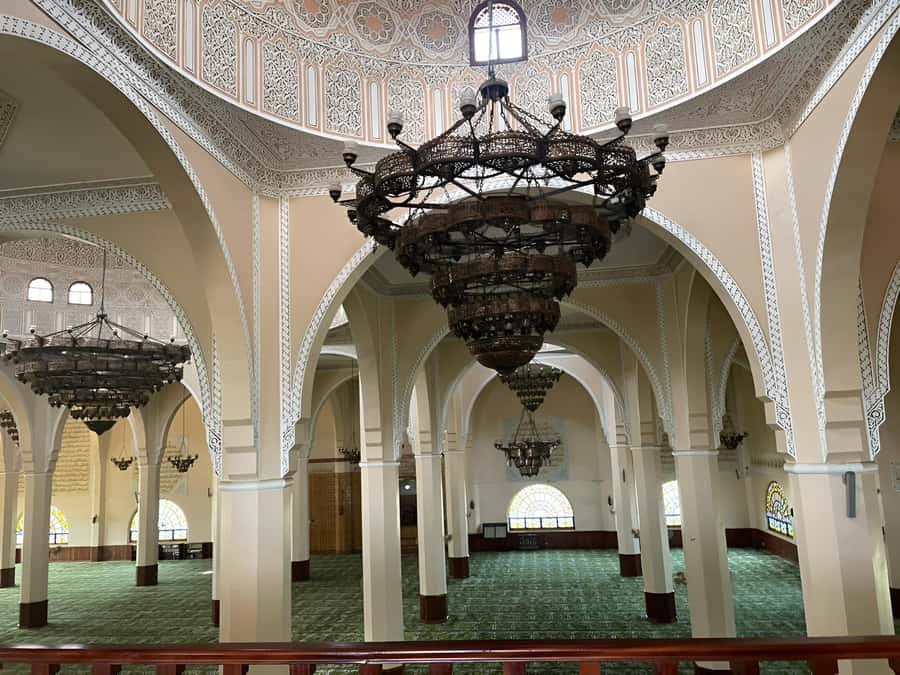
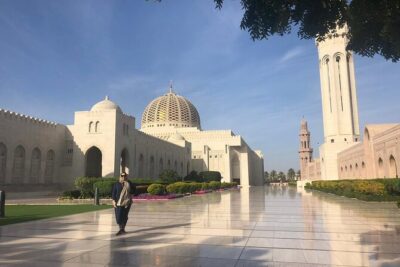
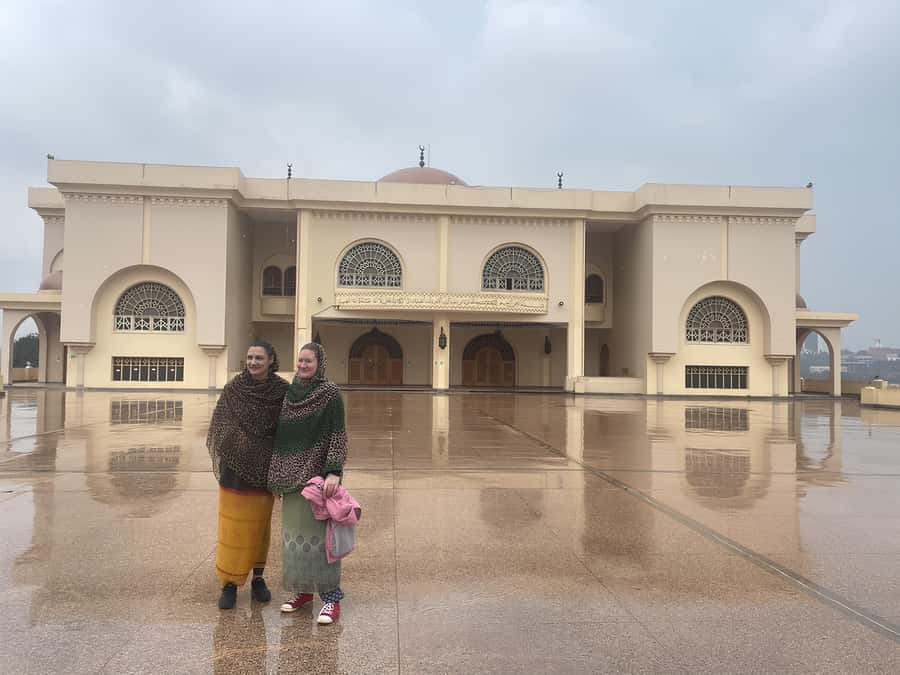
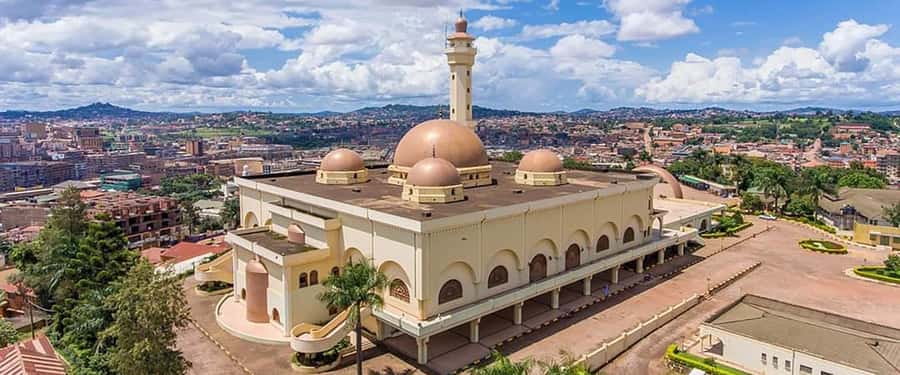
The tour finishes with the star: Gaddafi National Mosque. This mosque was initially funded by Libyan leader Muammar Gaddafi, and it’s described as one of the largest in Africa. It serves as a major place of worship for Uganda’s Muslim community, and it’s also an architecture lesson.
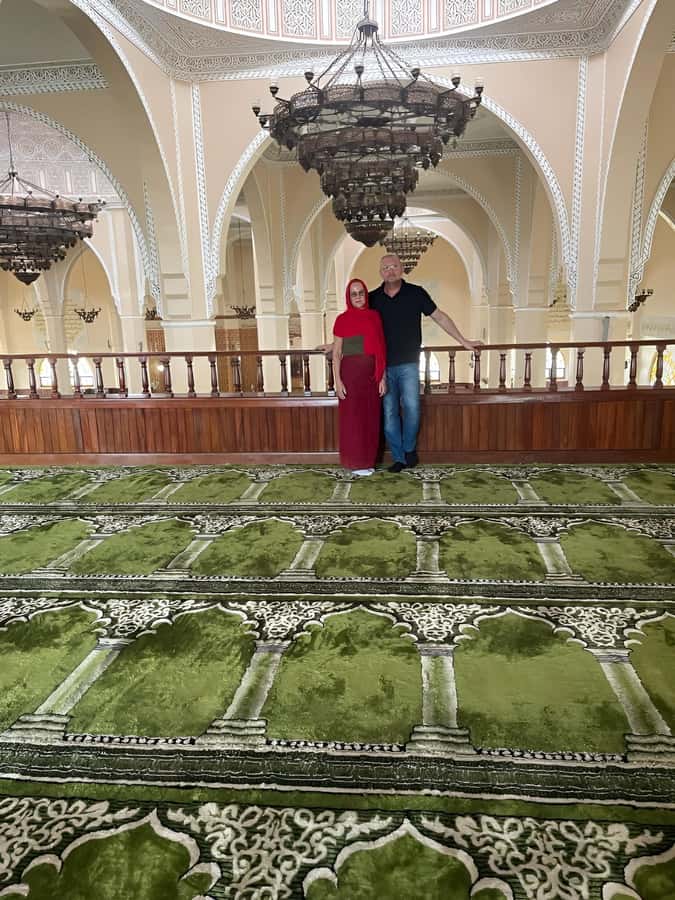
What to expect: a design mix that incorporates Arabic, European, and African architectural styles. That combination makes the building feel layered rather than uniform, and your guide’s explanation helps you spot the influences instead of just admiring shape and pattern.
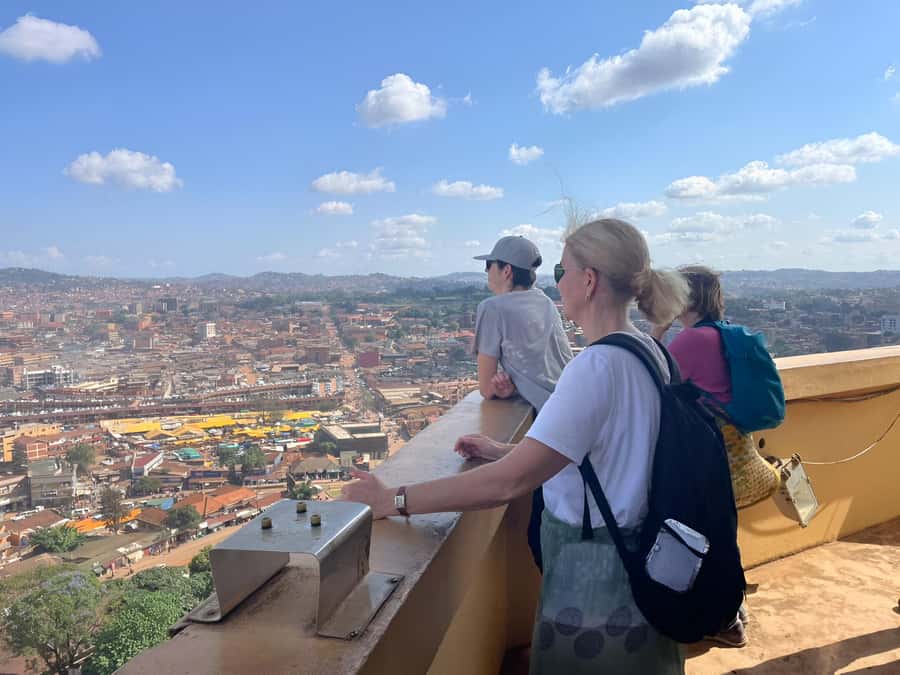
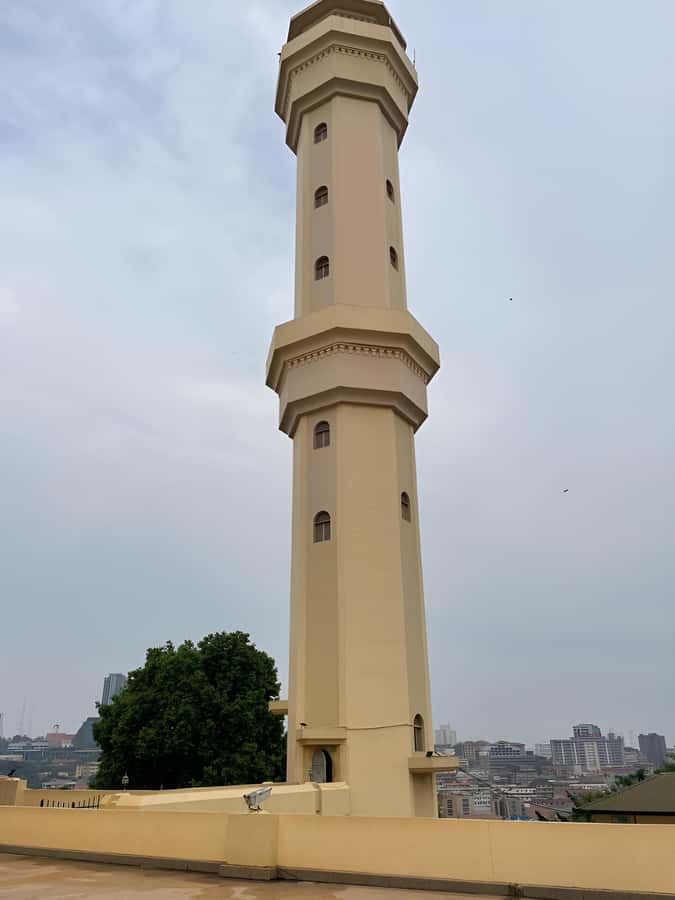
Then there’s the viewpoint. From the minaret/courtyard area, you get stunning views over Kampala. One person even noted you can climb to the top—so if that option is available during your visit and your energy levels are good, it’s an extra payoff. (But don’t plan your day around it; follow any on-site rules.)
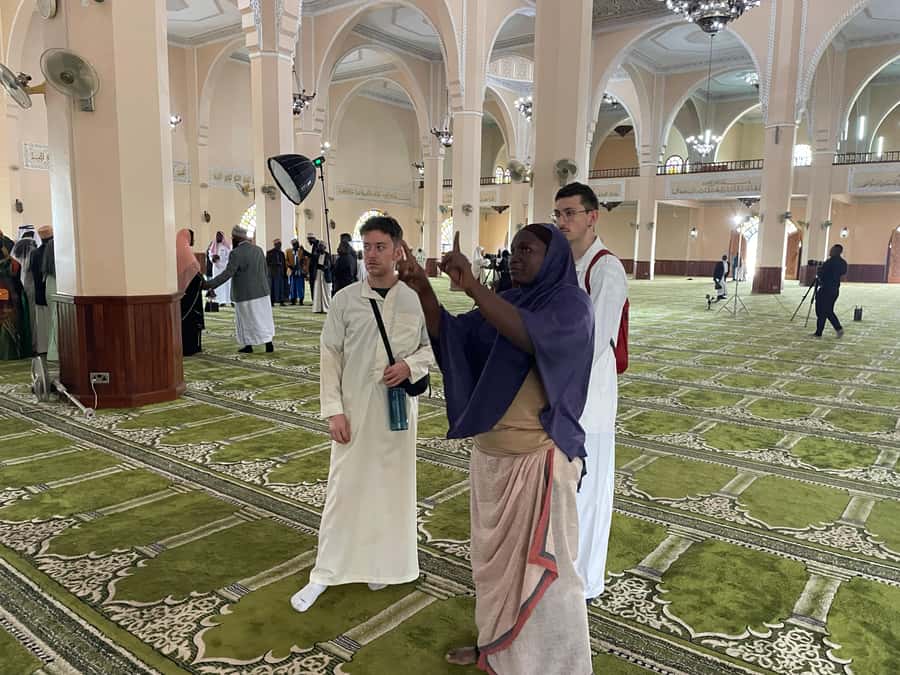
Dress code is important here:
- Women: loose-fitting clothes covering the wrist and ankle, and the head covered
- Men: trousers and a sleeved shirt
- Footwear: left at the entrance before you go inside
Bring a backup plan for clothing. If you arrive with the wrong outfit, you might lose time at the start of this stop. Comfortable layers beat last-minute stress.
Group Size, Guide Quality, and the Calm of Asking Questions
A big reason this tour works is the small group of up to 6. That keeps you from feeling like you’re racing through Kampala with strangers. You get time to ask questions, and you’re not stuck with a script.
In particular, guides such as Malik, Sharif, and Fatumah have been highlighted for clear explanations of Kampala and Uganda’s history. I like this approach because it turns what could be random sights into a connected story: monuments, transport, and markets start to make sense as parts of the same city.
Also, you’re not forced into one speed. The format is relaxed enough that you can pause, ask, or take breaks when needed. For a city as busy as Kampala, that flexibility is practical sanity.
Price and Inclusions: Getting Your Money’s Worth
Let’s break down value in a no-nonsense way.
Price: $35 per person
Duration: about 4 hours (typically 4–5 hours)
Group: max 6
English guide: included
Admissions included for:
- Gaddafi Mosque
- Owino Market
- Old Taxi Park
- Nakasero Market
- Independence Monument
- Bagala Craft Village
Not included: pick-up/drop-off, meals, and souvenirs.
So, where does the money go? Mostly into two things: guided time and the entry costs that let you keep moving. If you had to buy admissions separately and also find an English-speaking guide, the total would likely creep higher.
What you need to budget beyond the tour price is simple:
- food (if you get hungry—this is a walking tour)
- any craft or souvenir purchases
- local snacks or drinks, if you want them
What to Bring (So You Don’t Have a Bad-Walk Day)
This is not a flip-flops and phone-at-your-hip kind of tour. Bring:
- comfortable shoes (you’ll be on your feet)
- sun protection: Uganda can be sunny, so a hat, sunglasses, and sunscreen are smart
- some Ugandan Shillings for smaller vendors, since card payments may not be reliable
Also, think about your camera habits. Markets and mosque areas are active and rule-based, so keep your phone and camera secure in crowds, and be respectful when you’re asked to adjust.
Who This Walking Tour Suits Best (and Who Should Skip It)
This tour is a great match if you:
- want an intro to Kampala without renting a car
- like a mix of monuments + markets + everyday transport
- prefer a small group with an English guide who can answer questions
- want a structured 4-hour day that still allows you to pause
You might want to skip or choose differently if:
- you have mobility impairments (walking-heavy route)
- you strongly dislike very crowded, sensory market environments
- you’re hoping for a quiet, high-end sightseeing vibe (this is street-level Kampala)
If you’re planning other activities around it, the timing matters too. The tour runs between 9 am and 7 pm, and your start time is confirmed after booking—so plan it when you’ll still have energy for the market portion and the mosque stop.
Should You Book the Kampala: Guided City Walking Tour with Gaddafi Mosque?
I’d book it if you want the best “Kampala in a few hours” mix: independence-era monuments, major markets that show everyday life, public transport energy at Old Taxi Park, and the viewpoint payoff at Gaddafi National Mosque with its architecture blend and strong city views.
I’d hesitate only if you hate crowds, can’t handle much walking, or you’re not ready for sun and market noise. If that sounds like you, the mosque alone might tempt you, but the full route might feel like too much.
For most first-time visitors with limited time, this is a solid deal—$35 buys you a guided route, practical context, and paid access to the key stops that help Kampala click.
FAQ
How long is the Kampala guided walking tour with Gaddafi Mosque?
The tour lasts about 4–5 hours, and it’s listed as 4 hours. It runs during the day, with start times confirmed after booking.
What group size is this tour?
It’s a small group with a limit of 6 participants.
Is the tour guided in English?
Yes. You’ll have a live English-speaking guide.
What’s included in the tour price?
The price includes an English-speaking guide and admissions to Gaddafi Mosque, Owino Market, Old taxi park, Nakasero market, Independence Monument, and Bagala craft market.
What should I bring for the walking and mosque visit?
Bring comfortable shoes and sun protection like a hat, sunglasses, and sunscreen. For the mosque, plan for dress rules: women should cover head and wear loose clothes covering wrist and ankle, and men should wear sleeved shirts and trousers. Footwear is left at the entrance.
Are meals included?
No. Meals are not included.
Do they offer pick-up and drop-off?
No. Pick-up and drop-off are not included. The tour starts at Kitenji Uganda Safaris and Tours.