REVIEW · ISTANBUL
Istanbul City Walk: Blue Mosque, Hippodrome & Hagia Sophia
Book on GetYourGuide →Operated by TOURMANIA · Bookable on GetYourGuide
Six minarets in an easy two-hour stroll. This guided Old Town walk through Sultanahmet connects Roman, Byzantine, and Ottoman landmarks in a tight circuit, with the Blue Mosque as your big finish and Hagia Sophia along the way.
I love how the route starts at the German Fountain area and keeps you moving through the old civic heart of Constantinople without wasting time. I also like that you get both stories and sightlines: guided context at the major stops, plus time to check out the Blue Mosque’s İznik tiles inside.
One thing to weigh: Hagia Sophia is explained from the outside only. If you were hoping for an interior visit, you’ll need to plan that separately.
In This Review
- Key things I’d watch for
- Sultanahmet’s “big three” in a short walk
- Alman Çeşmesi and the German Fountain: the lesson starts early
- Sultanahmet Square: Constantinople’s old civic center
- The Hippodrome and its surviving monuments
- Hagia Sophia from the outside: you still get the whole story
- The Blue Mosque: six minarets, İznik tiles, and real time to look
- How the 2-hour format works (and who it suits)
- Price and value: what $19 really buys you
- Language support and the kind of group experience you’ll get
- Timing tips before you go
- Should you book this tour?
- FAQ
- Where does the tour start?
- How long is the walking tour?
- How much does it cost?
- Is Hagia Sophia included inside?
- Does the tour include entrance fees?
- Is hotel pickup included?
- Is there a ticket line skip?
- Is this tour suitable for mobility impairments?
Key things I’d watch for
- Start at Alman Çeşmesi / German Fountain area: a smart kickoff that sets the Ottoman-era connections right away
- Hippodrome monuments in one stop: Obelisk of Theodosius and the Serpent Column are quick but memorable
- German Fountain meaning, not just a photo: it’s framed as Ottoman–German friendship
- Hagia Sophia without the interior ticket: you still get the cathedral-to-mosque-to-landmark story
- Blue Mosque time inside: free time helps you actually slow down and look at the tiles
Sultanahmet’s “big three” in a short walk

Sultanahmet is where Istanbul feels like an open-air lecture hall—Roman-era bones, Byzantine-scale ambition, and Ottoman design folded into the same streets. What makes this experience attractive is the format: a 2-hour guided walk that hits three headline sites without turning your day into a whole production.
I like that the tour is built for clarity. You get a professional, licensed guide who strings the sites together so you’re not just collecting landmarks—you’re understanding why they matter. And because it’s a walk, you see the Old Town as it functions: narrow streets, busy squares, and places that still feel used, not staged.
The other practical win is pacing. Two hours is short enough that you can do it even on a tight schedule, but long enough for stops where you can orient yourself and ask questions if you’re curious.
You can also read our reviews of more tours and experiences in Istanbul.

Alman Çeşmesi and the German Fountain: the lesson starts early
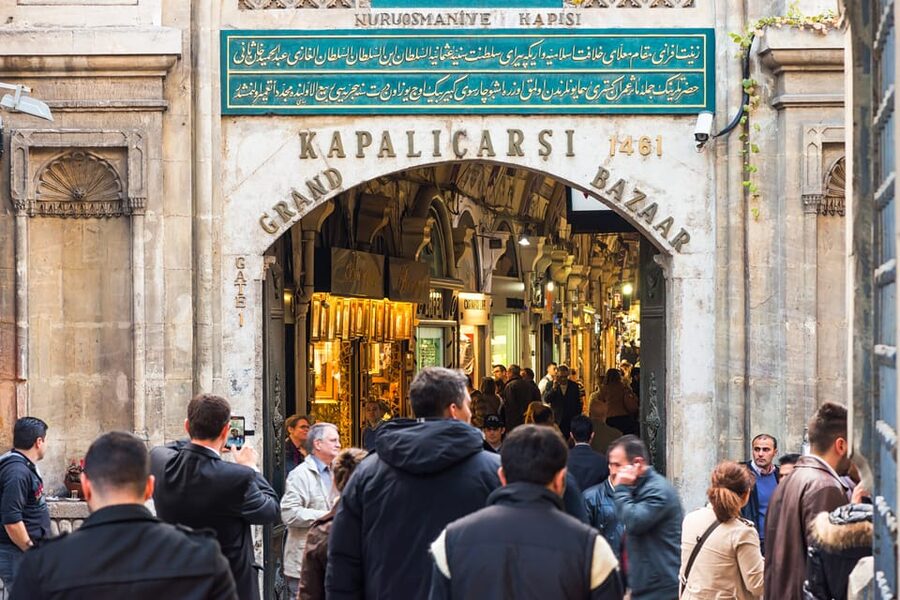
Your tour begins at Alman Çeşmesi, the “German Fountain” area in Sultanahmet. That choice isn’t random. The German Fountain helps you frame Istanbul’s Ottoman period as something connected to Europe, not just a closed world.
When you arrive at the fountain, the focus is more than photos. You’re guided through what it represents—Ottoman–German friendship—so the monument lands with meaning. It’s a good warm-up stop because it’s relatively easy to take in, and it sets the tone: this is a guided walk that explains context, not just locations.
If you’re the type who gets lost in dates, this kind of entry point helps. You’re not starting with the most complex structure in the city; you’re building a mental map first.
Sultanahmet Square: Constantinople’s old civic center
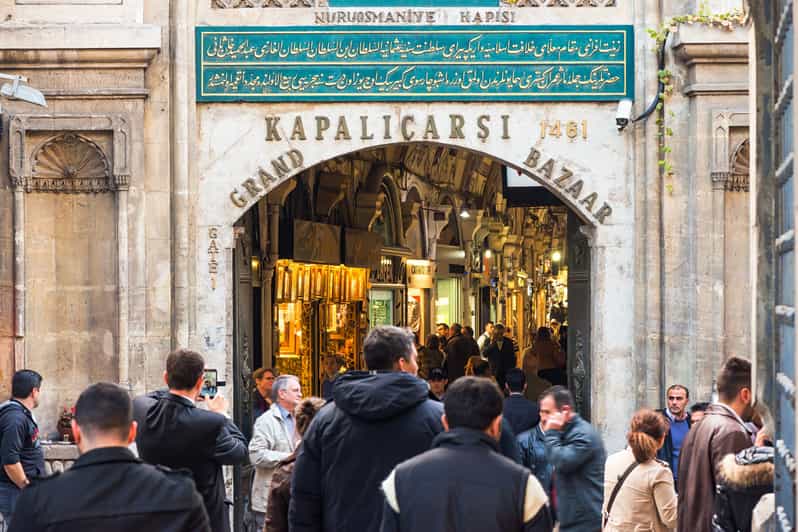
From there, you move into Sultanahmet Square, the historic heart of Constantinople. This is one of those places where the stones look ancient but the street life is modern—you can feel why emperors cared about this location.
In a short tour, the square works as a orientation tool. You get photo opportunities while your guide sets the story: what the space was for, and why the surrounding buildings became the symbols they did. Even if you’re not a “history deep reader,” this kind of framing keeps you from walking past major sites like they’re just pretty backdrops.
Tip for getting the most out of this kind of stop: look up before you look around. Squares can trick your eyes, so spotting domes and minarets from the open space helps you understand where everything sits.
The Hippodrome and its surviving monuments
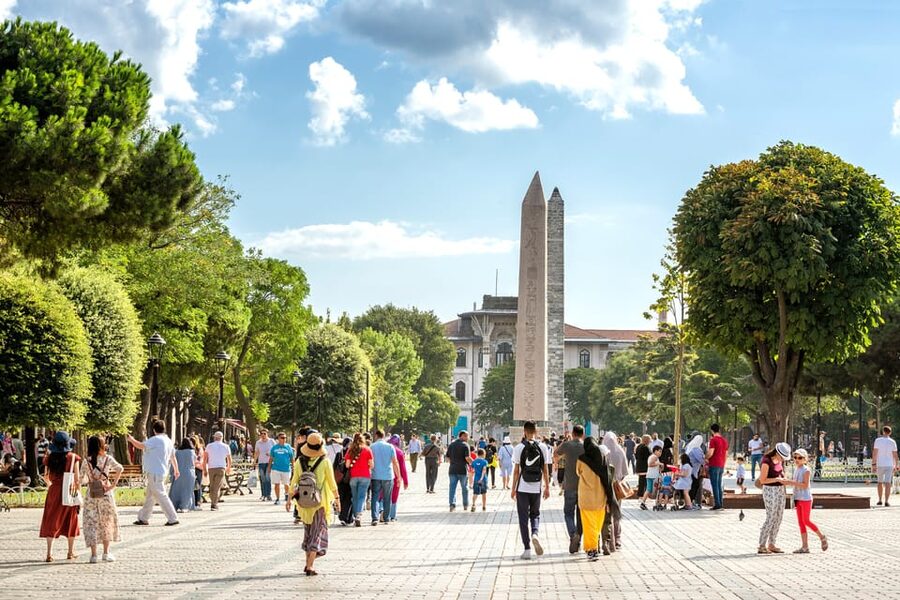
Next comes the Hippodrome of Constantinople, the former arena where chariot racing and public spectacle played out. In its day, it wasn’t quiet civic elegance—it was where crowds gathered for entertainment and power to show itself.
What you’ll find here is a mix of “big arena energy” and “what’s left behind.” The monuments that remain include the Obelisk of Theodosius and the Serpent Column. Even in a brief stop, these pieces are powerful because they’re real artifacts from a place that once hosted major events.
Your guide’s job is useful here: you get the what-and-why, not just the what. With the right explanation, you can picture the space as an engine of public life—less museum object, more historical setting.
Practical note: this is a break-and-photo style stop. Use it to stand back for a moment and take in the scale. The Hippodrome is one of those places where your best photos come from stepping slightly away to catch the monuments in context.
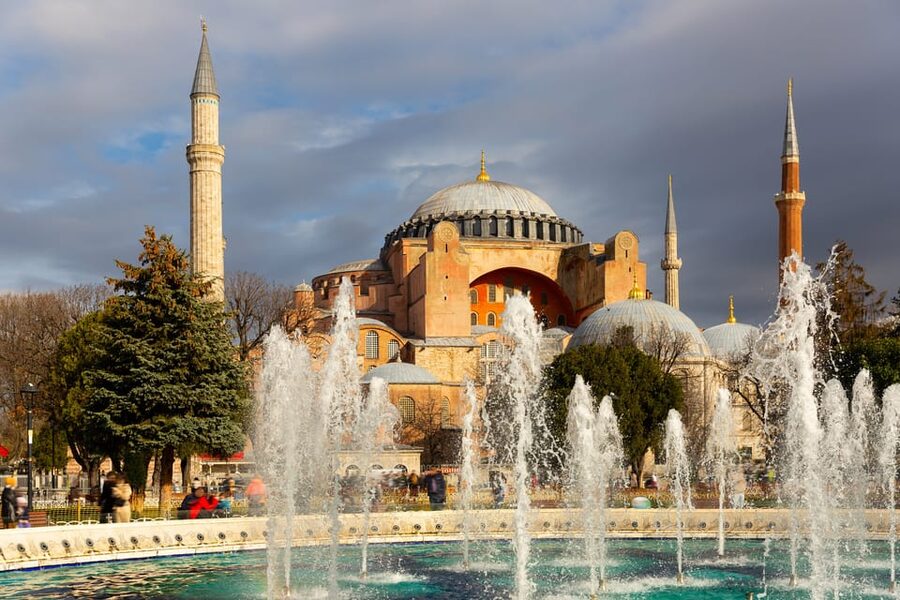
Hagia Sophia from the outside: you still get the whole story
Then you reach Hagia Sophia—and here’s the key detail you should plan for: you’ll get an exterior explanation only. There’s no interior visit included, so you won’t be going inside the building on this walk.
Still, this stop is worthwhile because the guide covers the building’s story from the outside—its life as a Byzantine cathedral, its time as an Ottoman mosque, and its modern role as a landmark. Hearing that progression without needing to enter is a strong way to understand why Hagia Sophia is treated like a world monument.
Even from outside, the building’s design language hits you fast: the scale, the dome presence, the way the structure dominates its setting. That’s why an exterior explanation works so well for a short tour. You’re learning what to notice before you make a decision about whether you want a separate entry visit later.
If you want the inside experience, treat this as your “get oriented first” stop. You’ll already know the major chapters, so an interior visit later feels less like random rooms and more like the same story continuing.


The Blue Mosque: six minarets, İznik tiles, and real time to look
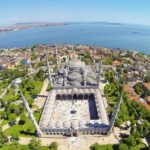
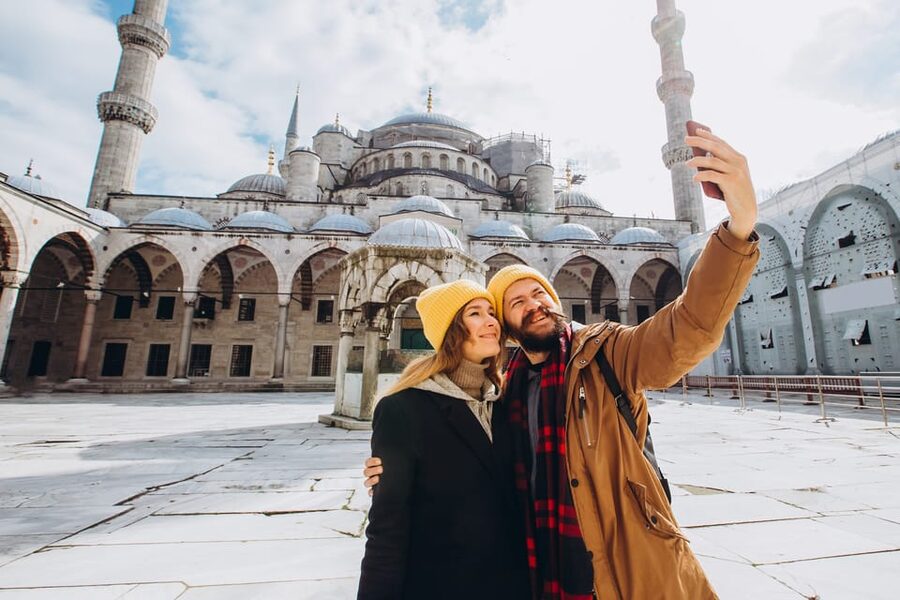
The walk continues to the Blue Mosque (Sultan Ahmed Mosque). This is the iconic stop most people come for, and it delivers fast: the six minarets and the promise of famous interior decoration.
Your guide explains Ottoman architecture and Islamic traditions, plus how the mosque fits into daily life. That context matters because it changes your viewing. You’re not just admiring style—you’re understanding the cultural purpose behind the design choices.
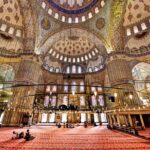
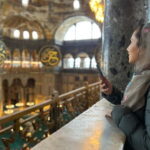
Then you get something valuable: time to explore the mosque’s interior. This is where you’ll notice the İznik tiles up close. The tiles are the star, but the bigger win is that you’re allowed to actually slow down and look instead of being rushed through.
Practical advice: dress appropriately for a mosque visit and bring patience for entry checks if required. The tour helps with the overall flow (and it includes skip-the-ticket-line wording), but entrance requirements can still mean waiting at peak times.
How the 2-hour format works (and who it suits)
A good short walk is like good appetizers: it doesn’t replace a full meal, but it makes you hungry for the next course. That’s how this one feels.
At 2 hours, you’ll cover a lot of ground and still have enough stop time to feel like you learned something at each place. You’re not touring “everything,” you’re getting the clearest starter pack for Istanbul’s Old Town.
This is especially a good fit if:
- it’s your first time in Istanbul and you want a smart introduction
- you prefer guided context over reading a guidebook alone
- you want to see Hagia Sophia and the Blue Mosque without committing your whole day
It’s less ideal if you need step-by-step time to photograph for hours or if you’re mobility-limited. The experience isn’t suitable for people with mobility impairments, likely because of walking and uneven surfaces in the historic area.
Price and value: what $19 really buys you
At $19 per person, this is a budget-friendly way to get professional storytelling and a tight route through Istanbul’s most famous historic sites. The price is low enough that you can pair it with other paid activities later without feeling like you’ve blown your schedule.
Here’s the value breakdown that matters:
- You get a professional tour guide and hotel pickup included.
- You also get the benefit of skipping the ticket line (though site entry costs are still not included).
- Entrance fees aren’t included, so you’ll want to budget for any entry costs at the stops you want to go into.
So the real question becomes: do you want guide help more than you want everything to be pre-paid? For most first-time visitors, guided orientation plus a couple of paid entries later is a good deal. For people who hate additional costs, you may prefer an all-in pricing option elsewhere—this one is more about paying for guidance.
One more value point: a guided walk like this can prevent “I saw it but I didn’t get it” tourism. When you understand why the Hippodrome mattered or what Ottoman design is doing at the Blue Mosque, the sights stay with you longer.
Language support and the kind of group experience you’ll get
The tour offers multiple languages, including English, French, German, Italian, Spanish, Japanese, and Chinese. That’s helpful if you’re traveling with family or prefer your explanations in a language you can follow without strain.
You can also book a private group. Private can be great if you want a calmer pace or more room to ask questions, especially around religious architecture and the timelines your guide explains.
Timing tips before you go
This is a walking tour, so your comfort depends on what you wear. In hot weather, I’d aim for breathable clothing and plan water (the tour doesn’t include food and drinks). In cooler months, layer up so you’re comfortable during the outdoor portions.
Also, expect photo stops. That’s good, but it means you won’t spend the whole time “wandering.” The guide will keep you moving through major points and manage the flow between places like Sultanahmet Square, the Hippodrome, and the mosque area.
Finally, if Hagia Sophia interior access is a must for you, do yourself a favor: treat this walk as the context-building step. Then plan a separate visit if you want to go inside.
Should you book this tour?
If you’re short on time and want a focused Sultanahmet introduction, I think this is a smart booking. You’ll get a clear guided story across the city’s Roman, Byzantine, and Ottoman layers, plus the best kind of bonus for a short tour: time inside the Blue Mosque with the İznik tiles as your payoff.
Skip this only if you specifically need an interior visit to Hagia Sophia during this outing. Since Hagia Sophia is handled from the outside only, you’ll either feel pleasantly informed or slightly frustrated—depending on what you wanted most.
If you want a simple plan that helps you understand what you’re seeing (and you’re okay budgeting for any entrance fees), this is the kind of 2-hour walk that makes your Istanbul day feel organized instead of chaotic.
FAQ
Where does the tour start?
The starting point is listed as Alman Çeşmesi (German Fountain) in Istanbul.
How long is the walking tour?
The duration is 2 hours.
How much does it cost?
The price is $19 per person.
Is Hagia Sophia included inside?
No. Hagia Sophia is explained and guided from the outside only, with no interior visit included.
Does the tour include entrance fees?
No. Entrance fees are not included.
Is hotel pickup included?
Yes. Hotel pick-up is included, but hotel drop-off is not included.
Is there a ticket line skip?
Yes, the tour includes skip the ticket line.
Is this tour suitable for mobility impairments?
No. It is not suitable for people with mobility impairments.