REVIEW · CAIRO
Cairo Heritage Tour: Golden Palace, Oldest Mosque with Lunch
Book on GetYourGuide →Operated by OceanAir Egypt · Bookable on GetYourGuide
Cairo rewards people who slow down, and this tour keeps you moving just enough. You start with royal rooms and gardens, then shift to one of Egypt’s most striking mosque landmarks, and finish at a museum that feels more like a private collection than a typical stop.
I really like the Egyptologist-style guidance built into every leg—so the places don’t feel like photo spots. I also like the mix of palace, mosque, and museum in a single morning, which is a smart way to see more than the usual headline sights.
One thing to weigh: this route is focused on these three major stops plus lunch, so if you specifically want a shopping wander like Khan el-Khalili, you should confirm up front that it’s included (it wasn’t part of one recent experience).
In This Review
- What Makes This Tour Worth Your Time
- How the 5-Hour Format Works Without Feeling Rushed
- Mohamed Ali Palace (Manial Palace): Gold Leaf, Marble, and Big Visual Contrast
- Ibn Tulun Mosque: The Courtyard, the Arches, and the Spiral Minaret Moment
- Gayer-Anderson Museum: Two Mamluk Houses and a House-Collector’s Feel
- Lunch in Cairo: Keep It Simple, Then Keep Going
- The Real Value: What Your Guide Adds
- Price and What You Get for $63
- Logistics That Actually Matter Day-of
- A Quick Reality Check: Who This Tour Fits Best
- Should You Book This Cairo Heritage Tour?
- FAQ
- How long is the Cairo Heritage Tour?
- Where do you get picked up and dropped off?
- What sights are included in the tour?
- Is lunch included?
- Does the tour include a guided tour?
- Are tickets included, and is there a way to avoid the ticket line?
- What languages is the tour guide available in?
- Is there anything I should bring or wear?
What Makes This Tour Worth Your Time
- Skip-the-ticket-line entry keeps your time for actually seeing things
- Mohamed Ali Palace (Manial Palace) gives you royal halls plus calm gardens, not just one room
- Ibn Tulun Mosque includes the famous spiral minaret view moment
- Gayer-Anderson Museum lets you slow down and look at objects inside well-preserved Mamluk-era houses
- A traditional lunch is built in so you’re not scrambling later
- Your pickup from Cairo or Giza plus air-conditioned van helps on hot days
How the 5-Hour Format Works Without Feeling Rushed
This tour is built for a half-day sweep: about 5 hours total, with hotel pickup and drop-off, plus time inside three major places and lunch. The van time is part of the schedule—so don’t plan this one as a “quick hop” between other distant appointments. It’s better to treat it like your anchor activity for the morning.
The pace works because each stop is timed in a way that still leaves you room to look carefully. You’re not stuck in one location for hours, but you also aren’t herded past the details. The guide’s job is to keep you oriented—what you’re seeing, why it matters, and what to notice as you walk through.
If you hate tight schedules, you’ll still likely be okay here. The tour is structured, but the guide is also the one who keeps you from wasting time trying to figure things out on your own. That’s the real value of a live guide: you get the meaning faster, without losing time.
You can also read our reviews of more tours and experiences in Cairo.

Mohamed Ali Palace (Manial Palace): Gold Leaf, Marble, and Big Visual Contrast
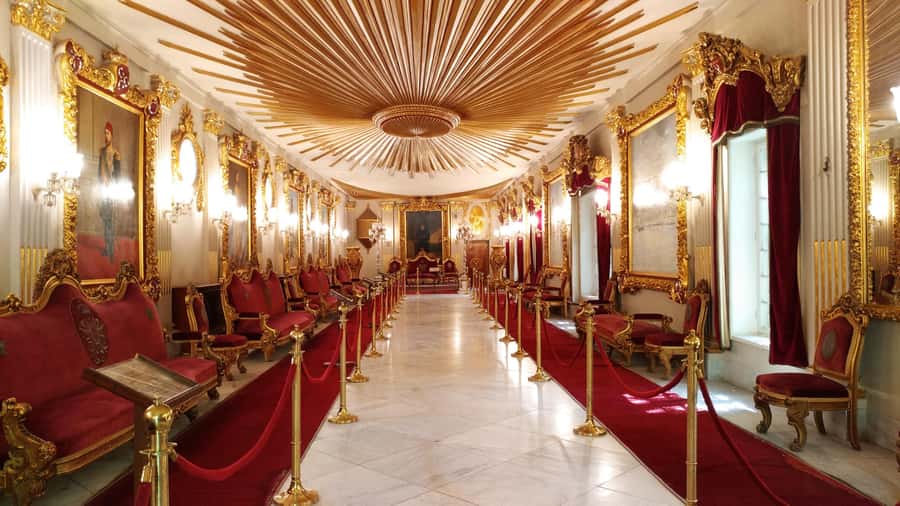
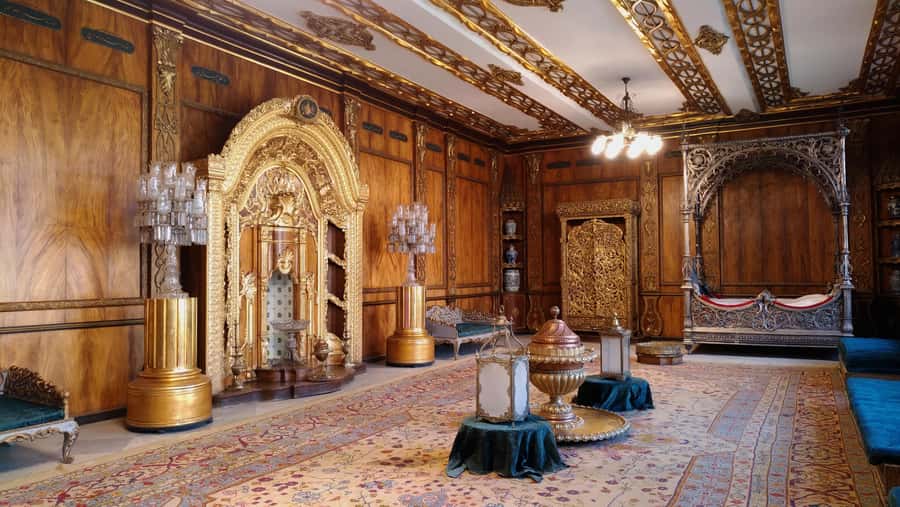
You begin with the Mohamed Ali Palace complex (often connected with Manial Palace), a 19th-century royal residence known for its showy interiors and landscaped gardens. If you’re used to Cairo’s monuments feeling monumental and stone-heavy, this is a nice change: it’s palace luxury, designed for a ruler’s display.
Inside, expect rooms decorated with gold leaf, gleaming surfaces, and marble work. The effect is more than just decoration. It shows you how rulers used art and architecture to signal power, taste, and international connections. You’ll also see European artwork mentioned as part of the palace’s visual mix, which helps explain the layered style—Ottoman grandeur paired with European elegance.
Then you move into the gardens. Even if you only have a limited window, gardens matter here. They make the palace feel like a place people actually lived and moved through, not a sealed museum hall. For many visitors, that’s the easiest moment to slow down and just take in the atmosphere.
Practical note: palaces can tempt you to rush for the “top photos.” I like to do the opposite. Look first at the overall layout and materials, then return to your favorite corners for better photos with less chaos.
Ibn Tulun Mosque: The Courtyard, the Arches, and the Spiral Minaret Moment
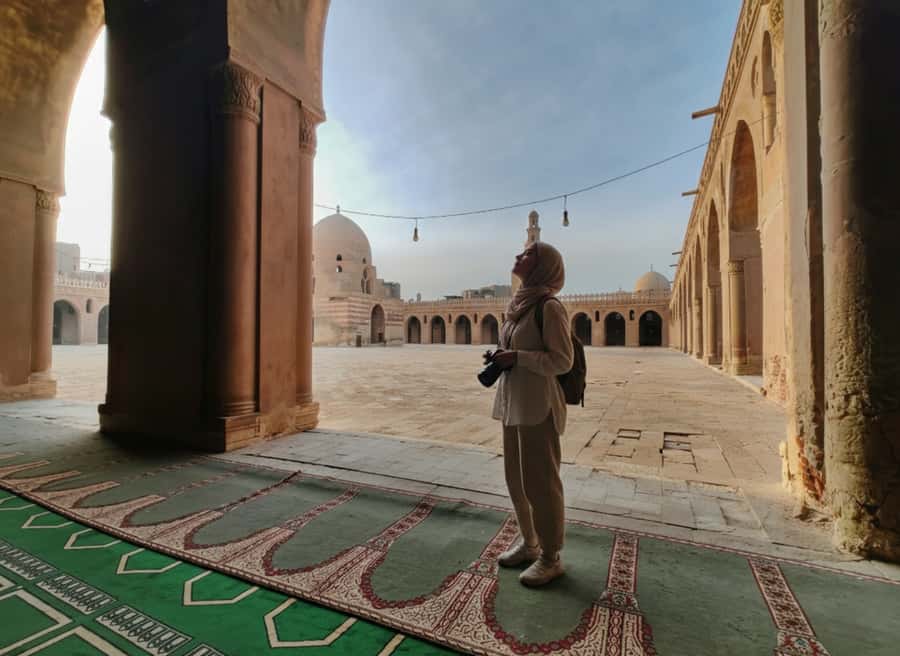
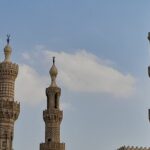
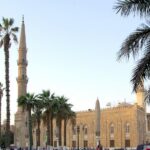
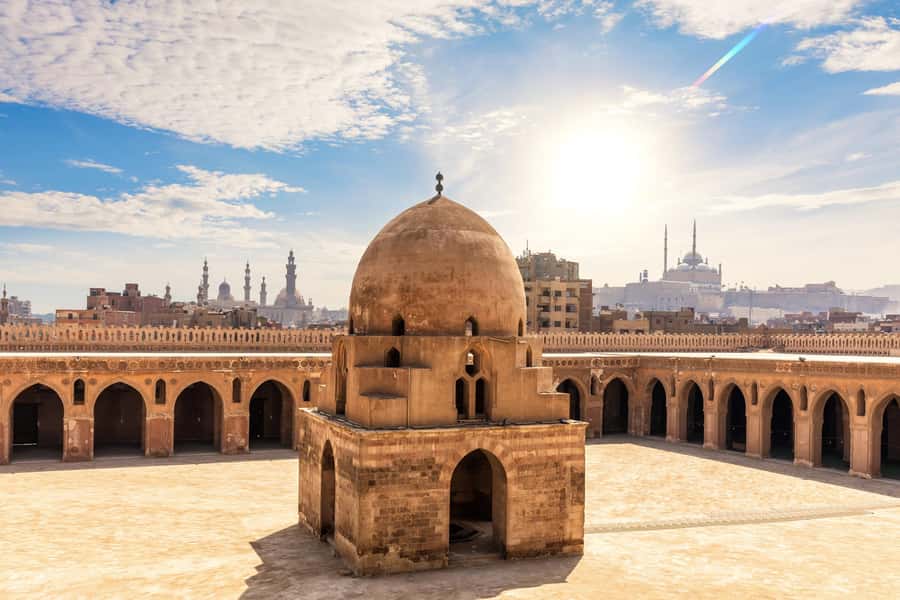
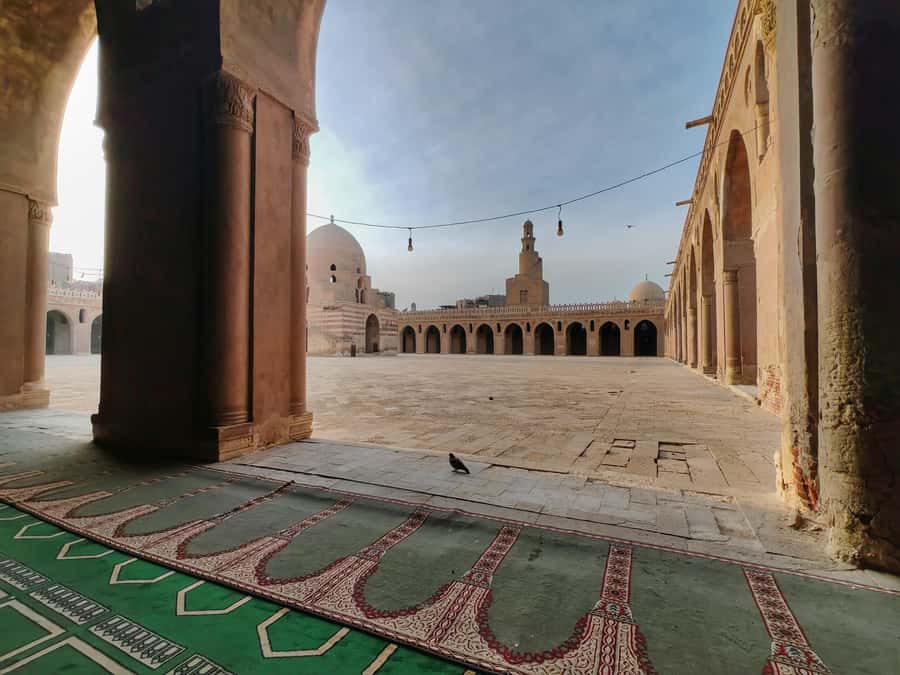
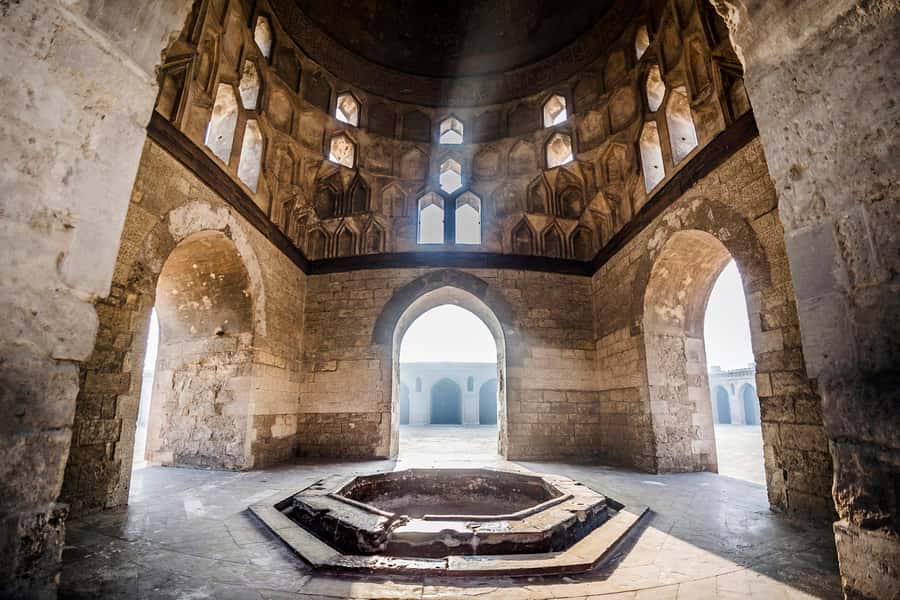
Next comes the Ibn Tulun Mosque—one of Cairo’s oldest and most important Islamic landmarks. It’s famous for two things at once: the scale of the complex and the visual signature of its spiral minaret.
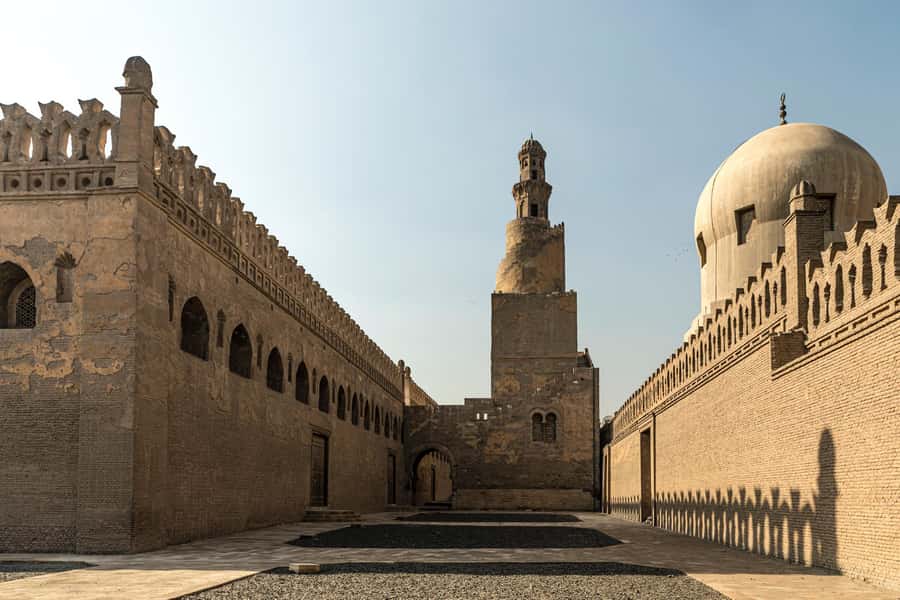
Start in the open courtyard. You’ll find a broad space framed by pointed arches, and it’s one of those places where the geometry does most of the work for you. You’re not trying to decipher every detail at once. Instead, you get to notice rhythm: arch after arch, space after space, with light shifting as you move.
Then there’s the spiral minaret. The tour includes time to ascend for views, and this is where your “Cairo understanding” suddenly sharpens. From above, you get a clearer sense of how the city stretches out beyond the mosque walls. Even if you’ve been in Cairo before, standing at that height helps your internal map click.
The mosque is also a good test of how well your guide works. A strong guide won’t just point out features. They’ll help you connect the architecture to its age and purpose, so you understand what you’re seeing rather than just collecting facts.
One consideration: dress matters here. You’ll want loose-fitting clothing that covers shoulders, arms, legs, and knees, and women should use a scarf for religious sites. If you show up underprepared, you’ll spend valuable minutes fixing clothes before you can relax into the visit.
Gayer-Anderson Museum: Two Mamluk Houses and a House-Collector’s Feel
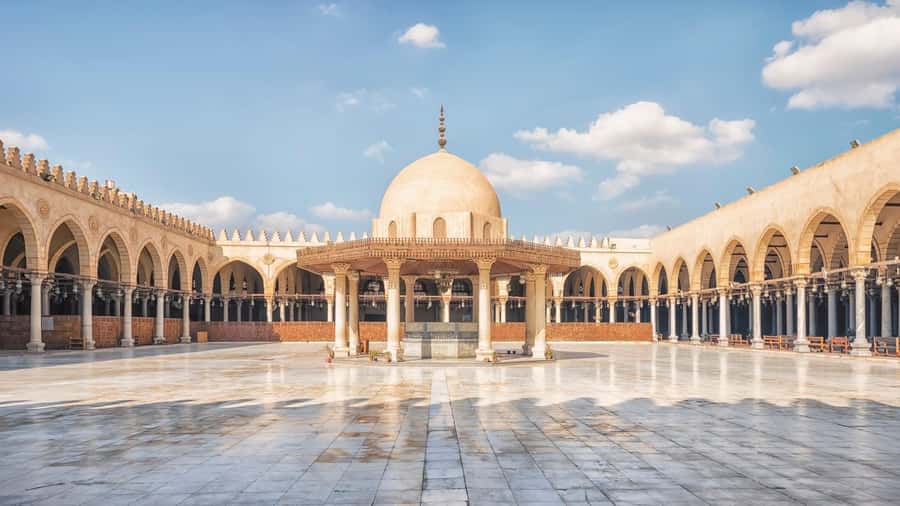
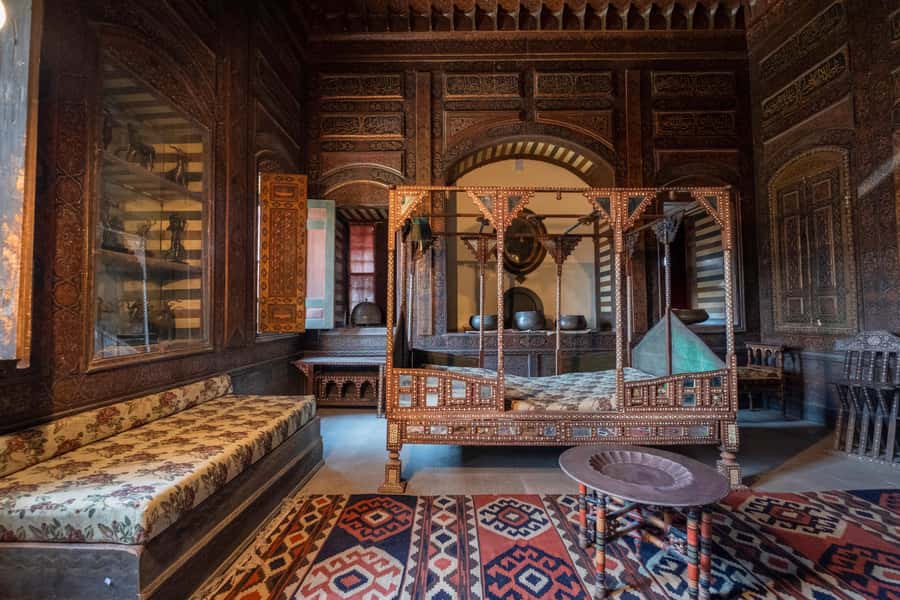
The final stop is the Gayer-Anderson Museum, set inside two preserved 17th-century Mamluk houses. This is the kind of museum that rewards slow looking. Instead of big gallery rooms with blank walls, you get living spaces and rooms that feel designed for objects and stories.
The museum’s collection includes antique furniture, Islamic art, and rare artifacts that were assembled by British Major Gayer-Anderson during his residence in the 1930s. That origin matters. It helps explain why the rooms don’t feel random. They feel arranged like a personal world—one person’s collecting, taste, and respect for the decorative arts.
Each room gives you a different angle on Egyptian domestic life and artistic heritage. The best part is that it’s not only about religious objects or only about decorative pieces. You’ll see how everyday culture and craftsmanship mix: materials, patterns, shapes, and how objects sit in a home-like environment.
Also, because it’s inside actual houses, you get natural breaks in the flow. That’s great after the mosque’s open courtyard and the palace’s high-gloss rooms. If you like variety, this ending lands well.
Photography can be restricted in certain areas. If you’re photo-focused, keep your camera ready but respectful. When signs or instructions change mid-room, follow them quickly and move on—this tour flows well when you do.
Lunch in Cairo: Keep It Simple, Then Keep Going
Lunch is included and scheduled with about 45 minutes of free time. The food is described as traditional and served at a local restaurant, and the day is structured so you’re not hungry and desperate. Bottled water is also provided throughout the day, which is a small thing that makes a big difference in Cairo.
Drinks during lunch are not included, so if you want juice, soda, or anything else, plan to pay that separately. That’s normal for tours, but it’s worth knowing so you don’t get surprised at the end of the meal.
My advice: use the lunch break to reset. Grab food, eat at a calm pace, and don’t lose your place in the schedule. A half-day tour doesn’t leave tons of buffer time if you wander off.


The Real Value: What Your Guide Adds
The biggest reason this tour earns such strong scores is the guide work. In the praised experiences, you’ll see names like Nashwa, Nadia, and Fatma showing up for clear, energetic explanations and attention to different group needs. That matters because Cairo’s best details are rarely obvious at first glance.
A good guide helps you notice:
- why the palace decoration style feels like a conversation between different influences
- how mosque architecture creates meaning through space and repetition
- how the museum’s rooms help you read objects as part of daily life
Guides also seem to manage timing well—enough time at each stop, without turning the day into a sprint. That timing is exactly what protects you from the common Cairo problem: arriving somewhere stunning, then feeling like you barely saw it.
If you care about getting context (not just walking past monuments), this is the part of the tour you’ll appreciate the most.
Price and What You Get for $63
At $63 per person, you’re paying for more than entry fees. What makes the value feel solid is what’s included:
- hotel pickup and drop-off from Cairo or Giza
- a comfortable air-conditioned vehicle for the transfers
- a professional Egyptologist tour guide
- entry tickets to Mohamed Ali Palace, Ibn Tulun Mosque, and the Gayer-Anderson Museum
- a traditional lunch
- bottled water
- all service taxes and fees
If you tried to do this yourself, you’d quickly spend time and money on figuring out transport, buying tickets at the right moments, and lining up a guide who can explain things well. This tour bundles the planning into a fixed route and a timed day.
The trade-off is also clear: you don’t have unlimited freedom to swap stops. This is a structured program, and that’s part of why the schedule works.
Logistics That Actually Matter Day-of
A few practical points can make or break your experience:
What to bring
- Passport or ID card (a copy is accepted)
What not to bring
- Luggage or large bags aren’t allowed
What to wear
- Loose clothes covering shoulders, arms, legs, and knees
- For women, bring or wear a scarf for religious sites
Photo expectations
- Photography may be restricted in certain areas
Communication
- You’ll be contacted the day before to confirm pickup details via WhatsApp, email, or phone. Respond promptly so you’re not waiting.
Pacing and comfort
- The vehicle is air-conditioned, and you’re doing walking segments at the mosque and museum. Comfortable walking shoes help a lot.
One more key point: this tour is not suitable for wheelchair users. If mobility is a concern, you’ll want to consider a different format.
A Quick Reality Check: Who This Tour Fits Best
This is a great match if you want:
- strong guidance so you understand what you’re seeing
- a balanced mix of palace, mosque, and indoor collections
- an organized day that still feels like you can look around
It’s less ideal if you want deep independence—like extended shopping time, or adding extra stops on the fly. This route focuses on specific sites, and lunch and museum time are part of that plan.
Should You Book This Cairo Heritage Tour?
I’d book it if you like Cairo’s culture but want help interpreting the details fast. The combination of Mohamed Ali Palace’s visual style, Ibn Tulun’s spiral minaret viewpoint, and the Gayer-Anderson Museum’s room-by-room collection makes for a well-balanced itinerary.
I’d pause and confirm if you’re hoping for extra time at markets like Khan el-Khalili. This tour is designed around the three core places plus lunch and then back to your pickup area.
If you show up prepared—dress code set, scarf ready, ID on you, and comfy shoes—you’ll get a smooth, meaningful half-day that doesn’t waste your energy figuring things out.
FAQ
How long is the Cairo Heritage Tour?
It lasts about 5 hours total.
Where do you get picked up and dropped off?
Pickup and drop-off are available from Cairo or Giza locations.
What sights are included in the tour?
You visit Mohamed Ali Palace, Ibn Tulun Mosque, and the Gayer-Anderson Museum.
Is lunch included?
Yes. Lunch at a local restaurant is included, but drinks during lunch are not.
Does the tour include a guided tour?
Yes. You’ll have a professional Egyptologist tour guide, and entries are included.
Are tickets included, and is there a way to avoid the ticket line?
Entry tickets for the three sites are included, and there is skip-the-ticket-line access.
What languages is the tour guide available in?
English, French, German, Italian, and Spanish.
Is there anything I should bring or wear?
Bring a passport or ID card (a copy is accepted). Wear loose-fitting clothes that cover shoulders, arms, legs, and knees, and women should use a scarf for religious sites.