REVIEW · CAIRO
Mosque of Mohamed Ali Basha, Mummies Museum, Khan Khalili
Book on GetYourGuide →Operated by Emo Tours Egypt · Bookable on GetYourGuide
Cairo in one focused day. I like how this private route strings together the National Museum of Egyptian Civilization (with major mummy highlights, including Ramses II) and then shifts gears to the Mosque of Mohamed Ali Basha, keeping the day feeling both educational and human. The payoff is that you get several sides of Cairo’s past without racing across town all by yourself.
One thing to watch: this kind of day depends heavily on the guide’s pacing and attitude, especially around Khan Khalili where the stop can turn into shopping time. If you care about time, confirm meeting details clearly and set expectations on how much shop browsing you want—otherwise the day can feel rushed and a bit tense.
In This Review
- Key Things I’d Pay Attention To
- Private Cairo in 8 Hours: How the Day Really Flows
- National Museum of Egyptian Civilization and the Ramses II Mummies
- Mosque of Mohamed Ali Basha: A Famous Landmark Stop That Changes the Mood
- Cairo Citadel of Saladin: Medieval Fortress Meets Islamic Architecture
- Khan Khalili Bazaar: Market Time for Handicrafts, Spices, and Local Snacks
- Price and Value: What You’re Really Paying For
- Logistics That Affect Comfort: Pickup, Timing, and Language
- Making the Day Go Smoothly: My Tips for Choosing Pace and Boundaries
- Who This Private Cairo Tour Fits Best
- Should You Book This Private Cairo Tour?
- FAQ
- How long is the tour?
- What’s the price per person?
- What’s included in the tour?
- What is not included?
- What languages are available for the live tour guide?
- Is pickup included?
- Is the tour wheelchair accessible?
- Is there free cancellation?
Key Things I’d Pay Attention To
- Ramses II mummy stop in the National Museum: You’re not just seeing objects behind glass, you’re getting a guided way to connect them.
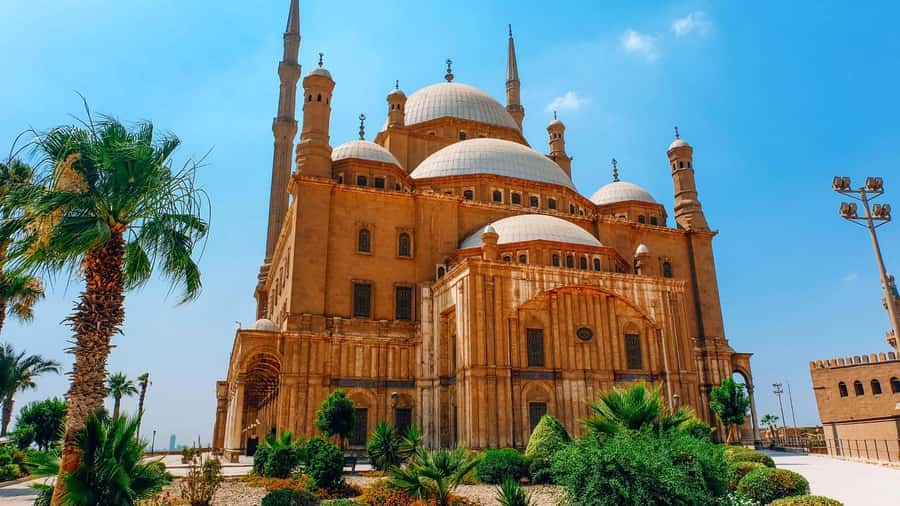
- The Mohamed Ali Basha Mosque visit: It’s a major city landmark that changes the mood from ancient to Islamic Cairo.
- Citadel of Saladin as a medieval fortress experience: You get the “Cairo past” feeling tied to Islamic architecture.
- Khan Khalili as a practical market stop: Handicrafts, spices, and local bites, with time to actually browse.
- Private air-conditioned transfers: Less stress, more time for what you came for.
- Language options (English, Spanish, German, Arabic): You can choose comfort, which matters when the day is only 8 hours.
Private Cairo in 8 Hours: How the Day Really Flows
This is a tight-but-sensible classic Cairo mix: museum first, then landmarks, then market. With a private air-conditioned vehicle handling transfers, you spend less energy on logistics and more on the sights themselves. The tour also includes a tour guide, entry fees, lunch, and a bottle of water, which is a big part of why the day feels like value rather than just another sightseeing ticket.
At a glance, you’re looking at these core stops:
- National Museum of Egyptian Civilization
- Mosque of Mohamed Ali Basha
- Citadel of Saladin
- Khan Khalili Bazaar
In an 8-hour format, how you move matters. Start with the museum while you’re fresh; it’s the most information-dense stop. Then shift to the Citadel and Mosque when you want big views and architectural context. End at Khan Khalili while you can still enjoy the market atmosphere and pick up small items or snacks without feeling like you’re running out of time.
You can also read our reviews of more tours and experiences in Cairo.

National Museum of Egyptian Civilization and the Ramses II Mummies
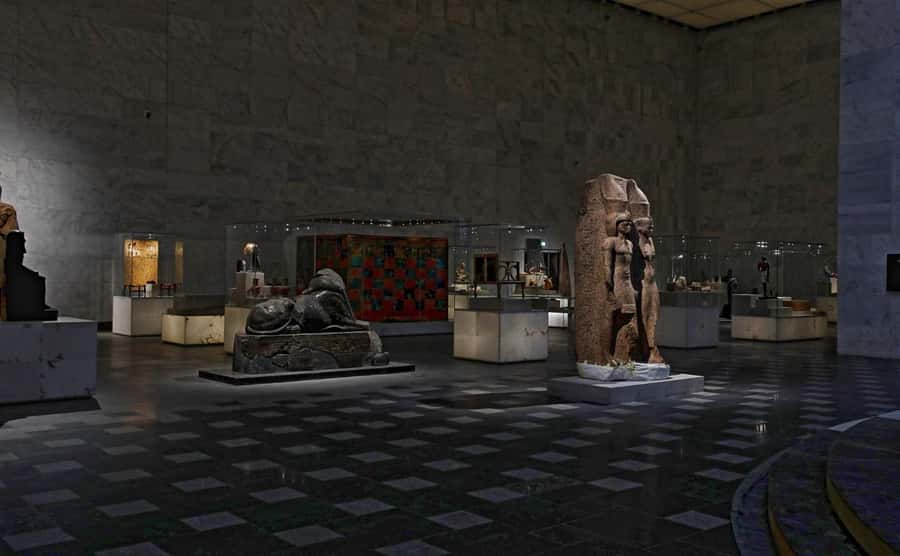
If you’re even mildly curious about ancient Egypt, the National Museum is the anchor of the day. The museum is described as home to a vast collection of mummies, artifacts, and historical treasures, and that broad range is exactly why it works so well as a first stop. It gives you “the why” behind what you’re seeing next, because you’re grounded in the story of ancient Egypt before you step into later periods of Cairo.
The standout mentioned here is the mummy focus, including Ramses II. Even if you’ve seen photos before, there’s something different about encountering that scale and presence in person—especially when a guide helps you make sense of what you’re looking at instead of letting you bounce between display cases like a tourist with a checklist.
How to get the most from the museum stop:
- Keep your questions short. Ask about what you’re actually facing right then.
- Pace yourself. Museums can turn into “too much, too fast” if you’re trying to cover everything.
- Choose one or two themes to follow. For example: royal figures (like Ramses II) and everyday objects (artifacts). That’s usually more satisfying than trying to see every room.
The museum included here isn’t framed as a quick look. It’s the kind of stop where having an in-person guide can save you from confusion—especially if you’re not already familiar with Egyptian eras.
Mosque of Mohamed Ali Basha: A Famous Landmark Stop That Changes the Mood
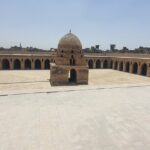
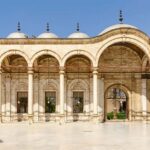
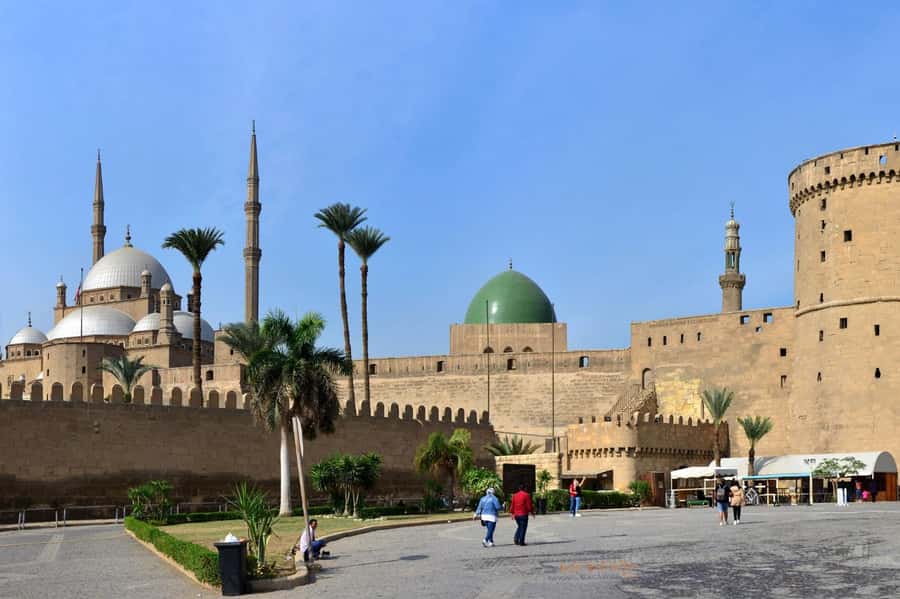
After the museum, the day shifts into a different Cairo rhythm. The visit to the Mosque of Mohamed Ali Basha is a clear highlight, and it does a useful job: it moves you from ancient Egypt into Islamic Cairo through a landmark that’s instantly recognizable by name.
This is also where I think a private guide helps the most. In a group tour, you often spend time standing around. Here, the guide can steer the stop so you’re not just looking at a building—you’re learning what kind of place it is and why it matters in the bigger picture of Cairo.
Practical advice for this segment:
- Build in time for photos and for simply looking. With religious sites, the “meaning” is in the details and the flow of the space, not just the main exterior.
- If you’re traveling with someone who gets tired easily, this is a good moment to take a short break and then move on with energy.
- Keep your pace calm. The tour is only 8 hours, but this stop is the kind you’ll remember more if you don’t rush through it.
Cairo Citadel of Saladin: Medieval Fortress Meets Islamic Architecture
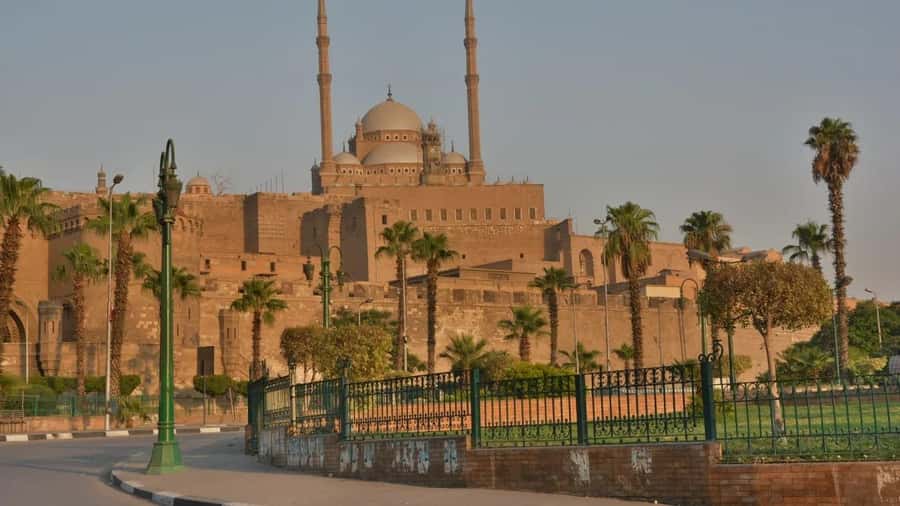
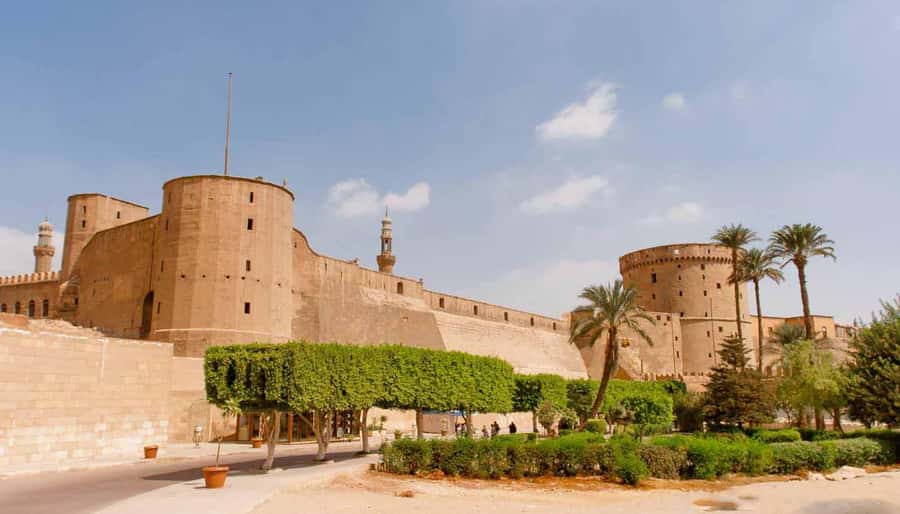
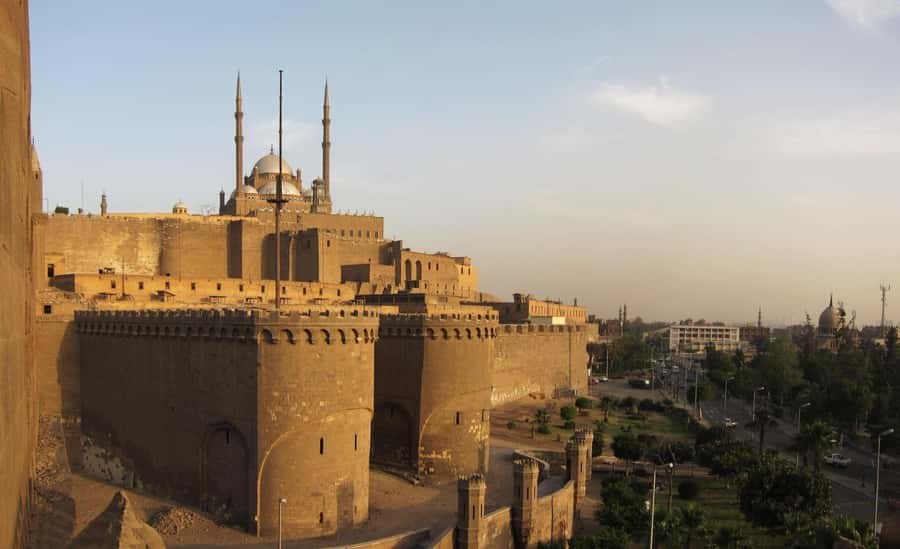
Next up is the Citadel of Saladin, described as a medieval fortress that offers a glimpse into Cairo’s past and showcases Islamic architecture. That description is spot-on for what makes this stop worth your time: it’s not just a viewpoint. It’s a sense of place.
A fortress setting gives you context fast. You can feel how a city’s power and defenses shaped daily life, and the surrounding architecture helps connect the “how Cairo grew” story to something you can see. For many visitors, this stop is where the day stops feeling like separate attractions and starts feeling like one evolving timeline.
How I’d approach the Citadel:
- Look at the bigger structure first, then go for details. The architecture becomes easier to appreciate once you get the overall layout in your head.
- Don’t try to capture every angle. Pick one or two viewpoints and let them sink in.
- If you like photos, go slow. You can get good shots without turning this into a sprint.
Khan Khalili Bazaar: Market Time for Handicrafts, Spices, and Local Snacks
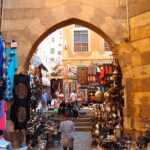
The finale is Khan Khalili Bazaar, where the tour description calls out handicrafts, spices, and local delicacies. This is the part of the day that feels most “Cairo right now,” and it’s where your own curiosity matters. You’ll be in a market environment where you can browse, snack, and possibly pick up small souvenirs that actually feel local.
One practical tip: timing can change everything. On at least one smooth day, the bazaar stop was arranged early in the morning, which helps you avoid the thickest crowds and makes browsing easier. If you have flexibility on start times, lean toward earlier access when available. If your day starts later, still go with the mindset of short stops and quick decisions rather than trying to tour the entire bazaar in 30 minutes.
Shopping reality check (and how to handle it):
- Decide your budget before you arrive. Khan Khalili can tempt you with too many good-looking things.
- If a shop stop turns into pressure, it’s okay to politely pass. You’re here to see the market, not sign a contract.
- If you want snacks, pick one or two bites you’ll actually enjoy rather than sampling everything. Your lunch should carry you, but market snacks can be a fun final reward.
This is also the segment most affected by guide personality and pacing. In a worst-case scenario, a guide can steer the day into shop connections rather than letting you enjoy the bazaar on your terms. The best way to protect your experience is to communicate your preferences early and keep your decisions simple.



Price and Value: What You’re Really Paying For
At $70 per person for an 8-hour private day, the main question is: what’s included versus what you’d pay on your own.
Here’s what’s included:
- All transfers by a private air-conditioned vehicle
- Private transportation
- Entry fees
- Tour guide
- Lunch
- Bottle of water
What’s not included:
- Tipping
When a tour bundles entry fees, a guide, and lunch into the price, it often becomes cheaper than piecing everything together, especially in a city where travel times can eat your day. Also, the “private” factor matters. Cairo is not a city where you want to spend your only day fighting transit schedules while trying to meet time windows.
To get true value from this price, prioritize these two things:
- Make sure your guide communicates clearly in your chosen language.
- Treat the day as a “best-of” route, not an exhaustive study course. If you want slow, deep museum research, you’ll likely need a longer day or extra time.
Logistics That Affect Comfort: Pickup, Timing, and Language
This tour is built for straightforward pickup. You’ll find the tour guide or representative in the lobby area holding a sign with the company name. That’s a small detail, but it can save you stress, especially if you’re checking in at a hotel with multiple lobbies or entrances.
Also, this is explicitly set up with language support: English, Spanish, German, and Arabic. If you’re choosing between tours, this matters more than people think. In a museum + landmarks + market day, unclear explanations waste time and make it harder to enjoy the highlights.
And yes, this tour is listed as wheelchair accessible, which is a meaningful practical point if mobility is a concern.
Finally, because the day is 8 hours, your personal energy level matters. I recommend planning for comfort rather than “see everything.” Wear shoes you can stand in, and expect that each stop is a meaningful chunk of time.
Making the Day Go Smoothly: My Tips for Choosing Pace and Boundaries
This experience can be excellent when the guide’s pacing matches your style. It can also feel frustrating if the guide rushes or if the day turns into a shopping push you didn’t want.
Here’s how you can steer toward the good version:
- Set a simple goal at the start. Example: I want the museum highlights, then a calm Citadel stop, then browse Khan Khalili at my own pace.
- Ask your guide to match your pace needs. If you’re slower with English or you don’t catch every detail, say so early and ask them to slow down.
- Keep an eye on time. If you feel the schedule tightening, speak up while there’s room to adjust.
- For Khan Khalili, decide in advance how many shops you’re willing to visit. Browsing is fun. Forced browsing feels like work.
It’s a private tour, so you should feel empowered to correct the day quickly, not after it’s already over.
Who This Private Cairo Tour Fits Best
This is a strong fit if you:
- Want a classic Cairo lineup without managing tickets, entry logistics, or transit.
- Like Egypt history with a strong museum centerpiece and clear landmark stops.
- Prefer a guide who can explain as you go, rather than walking alone through crowded rooms.
- Want lunch included and a guaranteed water bottle so you’re not constantly recalculating your day.
It might be less ideal if you:
- Want a super slow, highly academic museum experience. This day is paced for coverage.
- Dislike market shopping pressure. Khan Khalili is part of the plan, and you’ll need to protect your own boundaries.
- Are very sensitive to punctuality and communication. Your experience depends on smooth, respectful guiding, and timing matters when there are multiple stops.
Should You Book This Private Cairo Tour?
I’d book this tour if you want a reliable “best-of Cairo” day with entry fees, lunch, and private air-conditioned transfers included—and especially if the National Museum highlights like Ramses II are high on your must-see list. The Mosque of Mohamed Ali Basha and the Citadel of Saladin add the kind of Cairo atmosphere that makes the day feel layered, not just photo stops.
I’d think twice if you know you struggle with fast pacing, or if you hate shopping stops that feel sales-driven. If that’s you, pick a start time that gives you calm market time, communicate your pace early, and keep your plan flexible within the 8-hour window.
If you want, tell me your travel dates and whether you’re more into mummies, architecture, or shopping. I can suggest what to prioritize in the day so you get the version of the route that fits you best.
FAQ
How long is the tour?
The duration is 8 hours.
What’s the price per person?
The price is $70 per person.
What’s included in the tour?
It includes all transfers by a private air-conditioned vehicle, private transportation, entry fees, a tour guide, lunch, and a bottle of water.
What is not included?
Tipping is not included.
What languages are available for the live tour guide?
The guide is available in English, Spanish, German, and Arabic.
Is pickup included?
Yes. You’ll find the tour guide or representative in the lobby area holding a sign with the company name.
Is the tour wheelchair accessible?
Yes, it is listed as wheelchair accessible.
Is there free cancellation?
Yes. Free cancellation is available up to 24 hours in advance for a full refund.