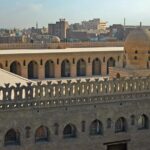
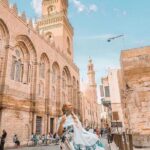
Cairo’s Islamic streets move at human speed. This private walk through Islamic Cairo links medieval architecture on Al Muizz Street with shopping energy at Khan El-Khalili, then finishes at the towering calm of Al-Azhar Mosque.
I especially like how the route starts with major gates like Bab El Fotouh, then turns the street itself into an outdoor “museum” you can read as you go. I also love that the guide’s storytelling gives context to what you’re seeing—so Al-Azhar Mosque isn’t just a photo stop.
One thing to consider: you’re walking in active, crowded areas and spending time on foot across streets and market blocks, so you’ll want to plan for that pace.
In This Review
- Key points to know before you go
- Entering Old Islamic Cairo via Bab El Fotouh
- Al Muizz Street: Your one-kilometer outdoor museum
- Khan El-Khalili: Shopping with context, not just noise
- Al-Azhar Mosque: Fatimid-era grandeur and a living campus
- Price and value: Does $50 get you enough?
- Timing and walking style for a comfortable 4 hours
- Who this tour fits best
- Should you book this Islamic Cairo walking tour?
- FAQ
- Is this a private tour or a group tour?
- How long is the Islamic Cairo walking tour?
- What sites are included?
- Is pickup from my hotel included?
- Are entry fees included?
- What is the cancellation policy?
Key points to know before you go
- Bab El Fotouh sets the tone: you enter Old Islamic Cairo through one of its key gates right at the start.
- Al Muizz Street is the show: it’s about a one-kilometer open-air “museum” lined with historic monuments.
- Sabeels and kuttabs aren’t random details: you’ll see water fountains and traditional school buildings tied to everyday life long ago.
- Khan El-Khalili is hands-on: this market stretch is where you can shop and feel the rhythm of Cairo’s old center.
- Al-Azhar Mosque is both monument and institution: built under the Fatimids and tied to Islamic education.
- Pickup and covered entry fees reduce friction: you spend energy on sightseeing, not logistics.
Entering Old Islamic Cairo via Bab El Fotouh
This tour begins the way Cairo’s historic quarter likes to begin: with a gate. You’ll get pickup from your hotel, then head to Al Muizz Street, entering through Bab El Fotouh. It’s a smart start because you immediately understand you’re in a designed space—Old Islamic Cairo wasn’t built as one open park. It has boundaries, entrances, and landmarks that guide your eye.
From there, you transition from “getting there” into “reading the city.” One moment you’re in transit. The next, the street feels like a timeline. And because this is a private tour just for your group, the guide can slow down when you want photos, answers, or a quick explanation of what you’re looking at.
If you like guided walking tours where the guide actively connects architecture to history, this is a strong match. If you prefer quiet, spontaneous wandering with zero structure, you may find the pacing a bit more guided than you expect—though you should still have room to look around in the market areas.
You can also read our reviews of more tours and experiences in Cairo.


Al Muizz Street: Your one-kilometer outdoor museum
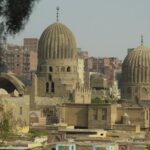
The heart of the experience is Al Muizz Street. You’re walking roughly one kilometer through an open-air corridor filled with major monuments from Cairo’s Islamic era. The tour frames it like a living lesson: you’re not just passing buildings, you’re picking up details that explain how the city functioned.
Here’s what I’d highlight as the most useful parts of this section:
- Gates of Old Islamic Cairo: you’ll see historic entrances such as Bab El Fotouh, Bab El Nasr, and Bab Zewaila.
- Sabeels: these water fountains were built for passersby, so the street isn’t only about worship—it’s about basic needs in public life.
- Kuttabs: traditional school buildings show how education worked in neighborhood centers.
- Traditional baths: you’ll notice structures connected to daily hygiene and social routine.
This is where the guide really helps. When you understand what a sabeel was for, you stop treating it as decorative architecture. When you understand kuttabs, schools stop being a vague “historic site” and start feeling like part of how Cairo organized everyday learning.
One practical note: Al Muizz Street is an active corridor. That’s part of the charm, but it means you’ll be sharing space with pedestrians, shops, and traffic patterns. If you’re sensitive to crowds, keep expectations realistic and take your time when crossing or pausing.
Khan El-Khalili: Shopping with context, not just noise
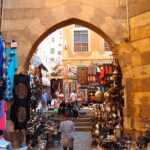
After the gate-and-street segment, you move into the market world: Khan El-Khalili. This is one of Egypt’s older markets, and the point of visiting here isn’t only souvenirs—it’s atmosphere plus craft. The guided portion keeps you from feeling lost among the shop signs and product shelves.
What I like about including Khan El-Khalili in this specific route is that you’re not treating it like a random add-on. You’ve already spent time on Al Muizz Street’s monumental architecture, so the market becomes a second kind of “architecture”: the architecture of commerce.
As you continue, you’ll shift across to the other section of Al Muizz Street and connect the market back to major landmarks. Then you head toward Ghoria and the historic Bab Zewaila area again, plus the nearby Khaimia (Tent Maker Bazaar), known for colorful textiles and crafts.
That’s a great pairing if you want variety:
- Market streets for shopping and sensory input
- Historic gates and monumental edges for scale
- Craft-focused lanes like Khaimia for hands-on browsing
Also, the pacing works. You don’t spend so long in the bazaar that it becomes exhausting. You get enough time to look, ask, and shop, while still keeping the tour’s “Islamic Cairo story” intact.
If you’re the type who gets overwhelmed by options, bring a simple strategy: pick one or two categories you’ll look for (like textiles or small crafts), set a rough budget in your head, and don’t try to buy everything just because it’s nearby. The market will try to tempt your eyes; your plan protects your wallet.
Al-Azhar Mosque: Fatimid-era grandeur and a living campus
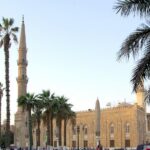
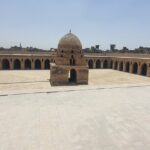
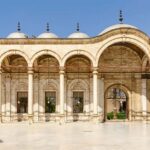
The tour’s final major anchor is Al-Azhar Mosque, described as a thousand-year-old masterpiece built by the Fatimid Caliphate. It’s famous for its towering minarets and serene arcades, and it’s also a working Islamic studies institution. That combination is what makes this stop feel different from many “see the building, take the photo” visits.
Here’s what you’ll get from this mosque segment:
- Architectural impact: minarets and arcade spaces create that classic, monumental feel.
- Historical weight: it’s tied to a major medieval dynasty (the Fatimids).
- Institutional meaning: Al-Azhar isn’t only heritage. It remains connected to Islamic education.
This matters because a mosque like Al-Azhar has layers. If you only treat it as stone and skyline, you miss the point. The guide’s storytelling helps you connect what you’re seeing—arcades, open spaces, and monumental elements—to why the place mattered for study and community life.
In the reviews, people consistently praise the guide’s passion and context, and I think that’s the real value here. You’ll often see Al-Azhar Mosque from the outside just fine. The guided element is what helps the inside spaces feel meaningful.
One more practical thing: after the market, Al-Azhar can feel like a breather. The mosque experience tends to slow the pace. Even though you’re still moving as a group, the mood shifts toward quiet observation and respectful viewing.
Price and value: Does $50 get you enough?
The price is $50 per person, and what makes it feel reasonable (or not) depends on how you judge value.
In your favor, you get:
- Hotel pickup and return
- A private group experience
- A bottle of mineral water
- All entry fees covered
- A guide-led walking route that saves you time figuring out what to see and how to connect it
For Cairo, the big hidden cost is often time and head-scratching: getting to the Islamic quarter, finding entrances, and figuring out which sites need tickets. Here, entry fees are handled, and pickup removes the first friction point.
What could challenge value? Since it’s private, your cost per person can still feel higher than mass tours if you’re traveling solo or with just one person. If you’re a couple or small group, it usually starts to feel much more like a smart deal because you’re effectively paying for convenience plus guided context.
My take: if you want a guided route with tickets handled and you’re okay with a few hours of walking, $50 can be a fair match for what you’re getting. If you’d rather move independently and skip entrances, then it may feel like you’re paying for structure you could create on your own.



Timing and walking style for a comfortable 4 hours
The tour runs about 4 hours. That’s long enough to experience both street monuments and market energy, but not so long that you feel you’re stuck out all day.
Stop 1 (Al Muizz Street) takes about 2 hours, which is the right amount of time to:
- enter through Bab El Fotouh
- notice street features like sabeels and kuttabs
- see multiple gates without rushing
Then Stop 2 brings you into the market and adjacent areas for roughly 1 hour 30 minutes, balancing browsing with continued sightseeing. The tour finishes with the Al-Azhar Mosque experience and return timing, so you’re not left hanging near the center with no plan.
From the review-style details you can trust, the guide is punctual and prepared, and the driver handles busy roads efficiently. That matters because Cairo traffic can eat your energy fast. When the driver is smooth and the guide is ready, your sightseeing time feels more real.
What to bring mentally: you’ll be on your feet for most of the tour. Even if you’re an experienced walker, markets and crossings can slow you down. Wear comfortable shoes and keep hydration in mind. Good news: a bottle of mineral water is included.
Who this tour fits best
This is a great choice if:
- you want a structured route through Islamic Cairo instead of scattered stops
- you enjoy explanations that connect architecture to daily life (education, water, gates)
- you like a balance of street monument time plus market browsing
- you prefer the comfort of pickup and drop-off rather than navigating from scratch
It’s also a solid pick for most people because participation is described as widely possible, and it’s a short enough window to stay manageable. If you’re traveling with kids or someone who needs frequent rests, you’ll want to communicate that early so the pace can adjust.
If you’re a hardcore “only want to photograph” type, you might find yourself wanting more free time to wander. But the guided context here is the main value, so it works best when you’re open to learning while you walk.
Should you book this Islamic Cairo walking tour?
I’d book it if you want Cairo’s Islamic quarter to feel like a story with clear connections. The combination is strong: Al Muizz Street gives you the monumental framework, Khan El-Khalili shows the human-scale market life, and Al-Azhar Mosque delivers the calm, grand finish that ties it all to Islamic education.
I’d skip or rethink it if:
- you want a totally independent day with no structure
- you don’t like walking through crowded market zones
- you’re looking only for a single highlight and not the street-to-mosque flow
If you’re trying to make the most of a limited schedule in Cairo, this hits a very efficient set of places—without forcing you to handle tickets and logistics on your own. For most first-timers, that alone makes the experience feel worth it.
FAQ
Is this a private tour or a group tour?
It’s a private tour/activity, meaning only your group participates.
How long is the Islamic Cairo walking tour?
The duration is about 4 hours.
What sites are included?
You’ll visit Al Muizz Street (starting at Bab El Fotouh), Khan El-Khalili, and Al-Azhar Mosque. The route also includes nearby areas such as the Bab Zewaila area and the Khaimia/Tent Maker Bazaar.
Is pickup from my hotel included?
Yes. The experience includes pickup services from your hotel and return.
Are entry fees included?
Yes. All entry fees are included.
What is the cancellation policy?
Free cancellation is available. You can cancel up to 24 hours in advance for a full refund. If you cancel less than 24 hours before the start time, the amount paid is not refunded.