REVIEW · CAIRO
4 hours Private Half Day Islamic Cairo Citadel and old Mosques
Book on Viator →Operated by Hesham Egypt tour guide · Bookable on Viator
Islamic Cairo hits fast. In just 4 hours, you’ll see how Cairo’s major Islamic landmarks sit on real streets and still serve real communities. I love that the tour is private, so you can set the pace without feeling rushed, and you get an Egyptology-educated guide who connects the buildings to the ideas behind them.
My second favorite part is the combination of sites: the Citadel’s Alabaster Mosque views, then the huge scale of Sultan Hassan, then a practical walk through Khan el-Khalili. One thing to keep in mind: admission isn’t included for the Citadel of Saladin and Sultan Hassan, so you’ll want to budget extra at those stops.
In This Review
- Key points to know before you go
- Islamic Cairo in Half a Day: the value of skipping the tourist-only script
- Citadel of Saladin and the Alabaster Mosque: big views plus real worship
- What to expect (and a practical caution)
- Sultan Hassan Mosque and Madrasa: Mamluk scale you can measure with your eyes
- A small drawback to plan around
- Khan el-Khalili bazaar: spices, perfume oils, gold, antiques, and fabric streets
- Shopping reality check
- How the private vehicle and Egyptology guide stretch your time
- Pacing is your superpower on this tour
- Tickets, admission, and what to plan for in your 4-hour window
- What to bring (without guessing)
- Who should book this tour—and who might not
- Should you book this half-day Islamic Cairo tour?
- FAQ
- What’s included in the $20 per person price?
- How long is the tour?
- Which sites will we visit?
- Is admission included for the Citadel and Sultan Hassan?
- Is Khan el-Khalili admission free?
- Do I get hotel pickup and drop-off?
- Is this tour private?
- Do you provide bottled water?
- What kind of guide will I have?
- Can I cancel for a full refund?
Key points to know before you go
- Private vehicle + hotel pickup from Cairo or Giza means less time in traffic stress
- Alabaster Mosque details explain why the building materials matter, even down to the limestone cladding
- Sultan Hassan’s scale (length, height, and minaret) is easier to grasp in person
- Khan el-Khalili shopping zones include spices, perfume oils, gold, antiques, fabrics, and carpets
- You control time at each site on this private tour, within the overall 4-hour window
Islamic Cairo in Half a Day: the value of skipping the tourist-only script
Cairo is famous for pyramids, pharaohs, and big museum days. This half-day tour lets you rebalance the story. You’ll spend your morning-or-afternoon focus on the Islamic monuments that shape the city’s skyline and daily rhythm—places you can’t really understand from photos.
The big value is that you’re not doing this as a checklist of random stops. The guide is educated in Egyptology, which helps you connect what you see to how Cairo developed over time—so the mosques aren’t just pretty architecture. They become context: why they were built, how they work, and what visitors are meant to notice.
And because it’s a private tour, you don’t have to fight for time or stand in a crowd waiting for others. You can slow down when something catches your eye, and you can move on when you’d rather save energy for the bazaar.
You can also read our reviews of more tours and experiences in Cairo.



Citadel of Saladin and the Alabaster Mosque: big views plus real worship
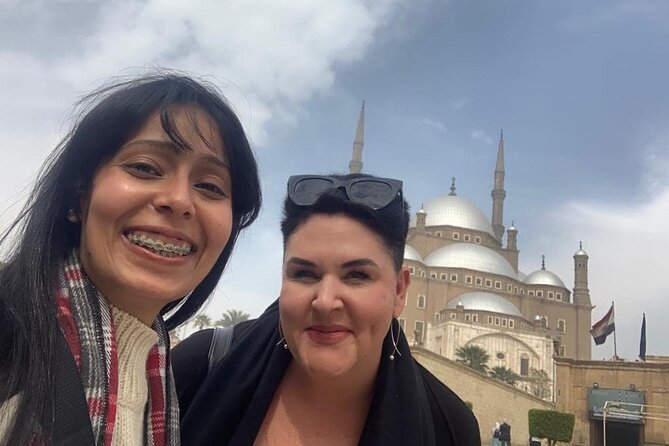
Your day starts at the Cairo Citadel, specifically the area around Salah el-Din (Saladin). You’ll be picked up from your hotel in Cairo or Giza and driven to the Citadel hill—an approach that matters, because it keeps the time focused on the sites rather than getting lost in street logistics.
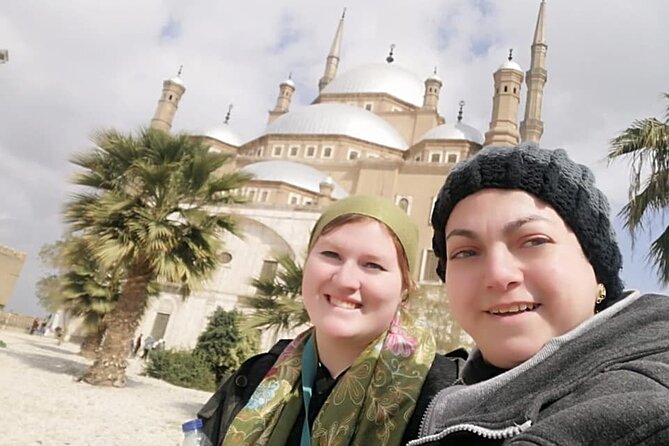
The star stop here is the Alabaster Mosque at the Citadel. This is a mosque that’s still used as a place of worship today. It also opens its doors to visitors of all faiths, so you’re not just looking at something behind glass—you’re stepping into a living space.
What I like most is the material story. The lower parts are clad in alabaster, and the upper cladding comes from limestone removed from the Pyramids of Giza. That detail changes how you look at it. You start seeing buildings as chapters in the same long city timeline, not isolated monuments.
Inside, your guide explains basic beliefs of Islam and even includes a translation of the most common prayers. That’s a practical way to make the visit make sense fast. You won’t just be guessing at what you’re seeing.
What to expect (and a practical caution)
You’ll spend about 2 hours at this stop. Admission is not included here, so expect to pay the entrance fee on the spot.
Dress matters. You’ll be in mosques, and you should plan for modest clothing and respectful behavior. If you’re the type who likes packing light, bring something that covers easily.
Also, the mosque is on a hill with city views. If you’re sensitive to sun, plan to use water and shade breaks wisely—bottled water is included for comfort, but Cairo sun doesn’t care.
Sultan Hassan Mosque and Madrasa: Mamluk scale you can measure with your eyes
Next up is the Mosque and Madrasa of Sultan Hassan. This is built between 1356 and 1363 and is widely considered one of the finest examples of Mamluk architecture in Cairo.
Here’s the kind of scale that’s hard to absorb from a brochure. The structure is about 492 feet (150 meters) long and 118 feet (36 meters) high. The minaret reaches about 223 feet (68 meters). Those numbers are impressive, but what you’ll really notice is the way the building dominates its space—like it was meant to command attention.
This mosque is also one of the largest in Cairo and the whole Islamic world, which is exactly why it works so well on a short tour. You don’t waste time on small stops. You get one major statement monument, with enough time to understand what you’re looking at.
You’ll spend about 1 hour here. Admission is not included, and this is another place where paying attention to the guide’s pacing helps. On a private tour, you can spend a little longer if you want to focus on architectural features, or you can keep it moving if you’d rather save energy for Khan el-Khalili.
A small drawback to plan around
Because this is such a major landmark, you may spend part of your time managing crowds and movement in and around entrances. It’s still private in the sense that you’re with your guide and your group, but the site itself is a popular one.
If you’re easily overstimulated, aim for a calm moment early in the visit. The first minutes often feel less crowded than the middle.
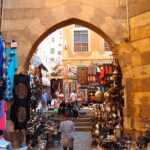


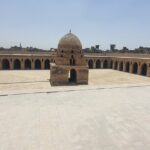

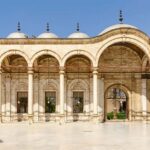
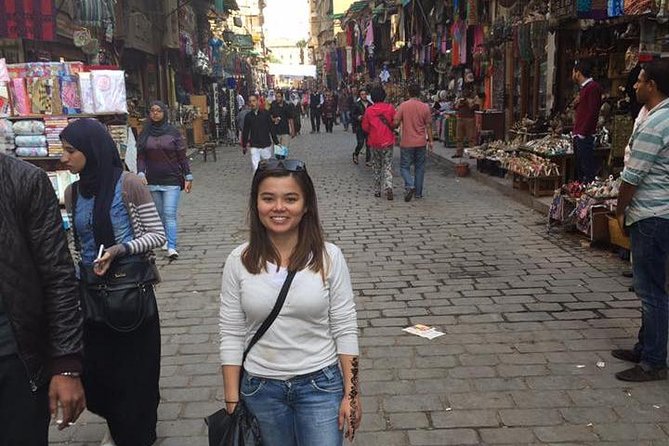
Khan el-Khalili bazaar: spices, perfume oils, gold, antiques, and fabric streets
After the monument scale, the tour shifts to the street world of Khan el-Khalili. You’ll have about 1 hour here, and the good news is that admission is free for this stop.
This is not a museum-bazaar hybrid. Khan el-Khalili feels like a working marketplace, and the guide’s role becomes especially useful because it helps you navigate what’s where and what each section is known for.
Expect a strong sense of scent in the perfume areas, where essential oils and mixed fragrances fill the air. You’ll also find spice sellers with fresh spices in a lot of varieties. Then as you go deeper, you run into gold vendors and antiques shops, plus fabric and carpet sellers.
One practical tip: if you’re hunting for something specific—an item style, a certain type of fabric, or even a particular spice ingredient—don’t just keep walking. Ask a vendor. The tour guide can help you phrase questions, and the suppliers often know where related items are sold nearby.
Shopping reality check
Yes, you can buy things. But even if you don’t, Khan el-Khalili is valuable for sensory context: the smells, materials, and craft categories show you how people live and trade around these monuments.
Bring a realistic mindset. If you’re buying, expect to compare options and negotiate. If you’re not buying, still budget time to slow down and observe—this area is part of Cairo’s cultural fabric, not just a backdrop.
How the private vehicle and Egyptology guide stretch your time
This tour is designed for people who want a smart Cairo day without burning half the time on transportation.
Your hotel pickup and drop-off are included in Cairo or Giza, and you travel in a private vehicle. That matters more than it sounds. In Cairo, even short distances can take longer than you expect, especially around peak activity. A private ride helps keep the visit to the monuments—and the bazaar—on track.
The guide is educated in Egyptology. That’s a good mix for Islamic Cairo, because it tends to produce explanations that connect what’s visible to what the city used to be, and to why certain forms and materials show up where they do.
You also get bottled water, which is a simple comfort but not a guaranteed one on every short tour. For a half day, staying hydrated makes you more patient and more likely to enjoy the stops instead of rushing through them.
Pacing is your superpower on this tour
Because it’s private, the tour is not locked to one single rigid timetable at each location. At Sultan Hassan especially, you can determine how much time you want to spend. That flexibility makes the biggest difference if:
- you want a deeper look at architecture,
- you prefer photos without constant crowd pressure,
- or you’re more interested in the bazaar than the second mosque interior.
One small detail from real-world feedback: some guests appreciate that this tour can fit later schedules. In one account, the start time at 1 pm was a key reason to book, especially when an early arrival made morning touring less convenient.
Tickets, admission, and what to plan for in your 4-hour window
Your overall duration is about 4 hours. The day is structured around three main stops:
- Citadel of Saladin / Alabaster Mosque for about 2 hours (admission not included)
- Sultan Hassan Mosque and Madrasa for about 1 hour (admission not included)
- Khan el-Khalili for about 1 hour (admission free)
So your main spending at the attractions is likely the entrance fees for the two mosque-and-citadel sites.
Also, you’ll use a mobile ticket. That’s handy because it cuts down on printed paperwork. Just keep it accessible on your phone.
What to bring (without guessing)
From what’s guaranteed, bring yourself plus anything you’d normally need for a city walk. Bottled water is provided, but you should still come prepared for heat, sun, and mosque etiquette.
Since you’ll be entering mosques, wear clothing that covers appropriately and brings comfort for walking. If you like having options, carry a light layer that you can adjust quickly.
Who should book this tour—and who might not
This is a strong fit if you want:
- a private half-day experience,
- a guide who can explain what you’re seeing rather than just naming it,
- and a balanced plan that includes monuments plus a functioning bazaar.
It also suits people who want a later start. Private tours often work better around your schedule, and real bookings show that afternoon timing can matter.
If you’re the type who wants a long, slow “study the building” day, 4 hours may feel short. But if you want a focused overview with enough time to understand the major players—Alabaster Mosque, Sultan Hassan, and Khan el-Khalili—this format is hard to beat.
Also, the tour is for your group only, and most travelers can participate, so it’s generally flexible.
Should you book this half-day Islamic Cairo tour?
I’d book it if your goal is to understand Islamic Cairo in a practical way, without getting stuck in transportation hassles. For $20 per person, the big value isn’t just the price—it’s the fact that you’re getting hotel pickup and drop-off, private transport, bottled water, and a guide who can explain the meaning behind the architecture. Then you cap the day with Khan el-Khalili, where the city feels like a living marketplace instead of a photo stop.
Skip or consider another option if you already know these sites well and want a longer, deeper architectural walk. Or if you hate paying attraction entrance fees on top of the tour price, plan for that extra cost at the Citadel and Sultan Hassan.
If you do book, ask your guide about the material details—especially the alabaster and the limestone connection. It turns the visit from pretty to meaningful fast.
FAQ
What’s included in the $20 per person price?
You’ll get a private tour with transport by private vehicle, bottled water, and hotel pickup and drop-off in Cairo or Giza. The price also covers all taxes, fees, and handling charges.
How long is the tour?
It runs for about 4 hours total.
Which sites will we visit?
You’ll see the Cairo Citadel (including the Alabaster Mosque), the Mosque and Madrasa of Sultan Hassan, and Khan el-Khalili bazaar.
Is admission included for the Citadel and Sultan Hassan?
No. Admission is not included for the Citadel of Saladin and the Mosque and Madrasa of Sultan Hassan.
Is Khan el-Khalili admission free?
Yes. The Khan el-Khalili stop is listed as admission free.
Do I get hotel pickup and drop-off?
Yes, pickup and drop-off are included in Cairo or Giza.
Is this tour private?
Yes. It’s a private tour/activity, meaning only your group participates.
Do you provide bottled water?
Yes. Bottle water is included for your comfort.
What kind of guide will I have?
The guide is educated in Egyptology and will explain the landmarks and what you’re seeing, including basic beliefs of Islam at the Alabaster Mosque.
Can I cancel for a full refund?
Yes. Free cancellation is allowed up to 24 hours in advance for a full refund.